
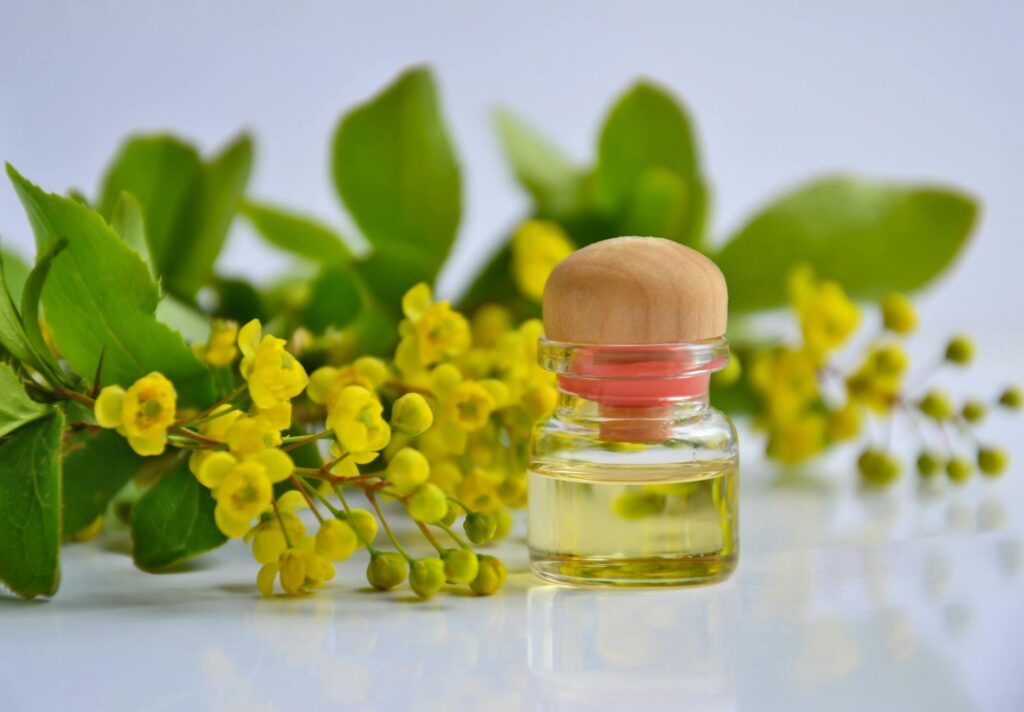
Aromatherapy Uses of Aquatic Plants
Introduction
Aromatherapy is an ancient practice that harnesses the natural fragrances of botanical materials for therapeutic purposes. While many people are familiar with the use of terrestrial plants, aquatic plants also possess unique aromatic properties that can enhance well-being. This article explores the varieties of aquatic plants, their benefits, common uses, and applications in aromatherapy.
What Are Aquatic Plants?
Aquatic plants are those that thrive in water, either fully submerged, partially submerged, or floating on the surface. They play a critical role in aquatic ecosystems, providing oxygen, food, and habitat for various aquatic organisms. Aquatic plants can be classified into three main categories:
1. Submerged Plants: These are entirely underwater and include species like eelgrass and hornwort.
2. Emergent Plants: These plants grow in shallow water, with their roots submerged and stems and leaves above the surface. Examples include bulrush and cattails.
3. Floating Plants: These plants float on the water’s surface and can include water lilies and duckweed.
Many of these plants possess essential oils that are extracted for various uses, including aromatherapy.
Key Benefits and Properties
Aquatic plants are known for their distinctive aromatic profiles, which often reflect their unique habitats. Some notable benefits and properties of aquatic plants include:
- Calming Effects: Many aquatic plants have soothing properties that promote relaxation and reduce stress.
- Antimicrobial Properties: Certain essential oils derived from aquatic plants have been studied for their ability to inhibit the growth of bacteria and fungi.
- Respiratory Support: Some aquatic plants provide support for respiratory health, helping to clear airways and promote easier breathing.
- Skin Care: The natural oils extracted from aquatic plants can be beneficial for various skin issues, providing hydration and nourishment.
- Perfumes: The unique scents of aquatic plants are often incorporated into fragrances and perfumes.
- Cosmetics: Aquatic plant extracts are used in creams, lotions, and serums for their moisturizing and soothing properties.
- Household Products: Essential oils from aquatic plants can be found in cleaning products for their antibacterial properties and pleasant scents.
- Bath Products: Bath bombs, salts, and oils often include aquatic plant extracts for a refreshing and relaxing bathing experience.
- Dilution: Always dilute essential oils with a carrier oil before applying them to the skin to prevent irritation.
- Patch Test: Conduct a patch test on a small area of skin to check for allergic reactions before widespread use.
- Consultation: If you are pregnant, nursing, or have a medical condition, consult a healthcare professional before using essential oils.
- Quality: Ensure that you purchase essential oils from reputable sources that provide information on the purity and composition of their products.
- Cool and Dark Place: Store essential oils in a cool, dark place away from direct sunlight and heat to prevent degradation.
- Airtight Containers: Use dark glass bottles with airtight lids to minimize exposure to air and light, both of which can compromise the quality of the oil.
- Shelf Life: While the shelf life can vary based on the specific oil and storage conditions, most essential oils can last from 1 to 3 years. Regularly check for any changes in scent, color, or consistency.
Common Uses
Aquatic plants are utilized in various forms, including essential oils, hydrosols, and infused oils. Some common uses include:
Aromatherapy Applications
In the realm of aromatherapy, aquatic plants can be utilized in various ways:
1. Diffusion: Using a diffuser, essential oils from aquatic plants can fill a room with calming scents, promoting relaxation and reducing anxiety.
2. Topical Application: Diluted essential oils can be applied to the skin for localized effects. Commonly, aquatic plant oils are mixed with carrier oils for safe application.
3. Inhalation: Inhaling the aroma of aquatic plant oils directly from the bottle or through steam inhalation can provide immediate relief from stress and tension.
4. Bathing: Adding aquatic plant essential oils to bathwater can create a serene and aromatic bathing experience, enhancing relaxation.
5. Massage: Incorporating aquatic plant oils into massage oils can enhance the therapeutic experience, providing both aromatic and physical benefits.
Safety Considerations
While aquatic plants offer various benefits, it is essential to observe safety precautions when using their essential oils:
Storage and Shelf Life
To maintain the potency and aroma of aquatic plant essential oils, proper storage is crucial:
Frequently Asked Questions
1. What are some popular aquatic plants used in aromatherapy?
Common aquatic plants used in aromatherapy include lotus, blue lotus, and water mint. Each offers distinct aromatic profiles and benefits.
2. Can aquatic plants be grown at home for aromatherapy use?
Yes, many aquatic plants can be cultivated in home aquariums or ponds. However, ensure you have the proper conditions for growth, including light, water quality, and temperature.
3. Are there any contraindications for using aquatic plant essential oils?
While generally considered safe, always conduct thorough research or consult a knowledgeable practitioner to ensure no contraindications exist based on personal health conditions.
4. How can I incorporate aquatic plant oils into my daily routine?
You can incorporate aquatic plant oils through diffusion in your workspace, adding them to your bath, or using them in homemade beauty products like lotions and scrubs.
5. Where can I buy high-quality aquatic plant essential oils?
High-quality aquatic plant essential oils can be purchased from reputable health stores, online retailers specializing in essential oils, or directly from brands known for their commitment to purity and sustainability.
Conclusion
Aquatic plants offer a rich tapestry of aromatic possibilities for those interested in aromatherapy. Their unique scents and beneficial properties can enhance personal well-being and create a serene environment. By understanding their uses, benefits, and safety considerations, individuals can effectively incorporate these remarkable botanical gifts into their daily lives. Whether through diffusion, topical application, or other methods, the therapeutic potential of aquatic plants is a fascinating avenue for exploration in the world of aromatherapy.