
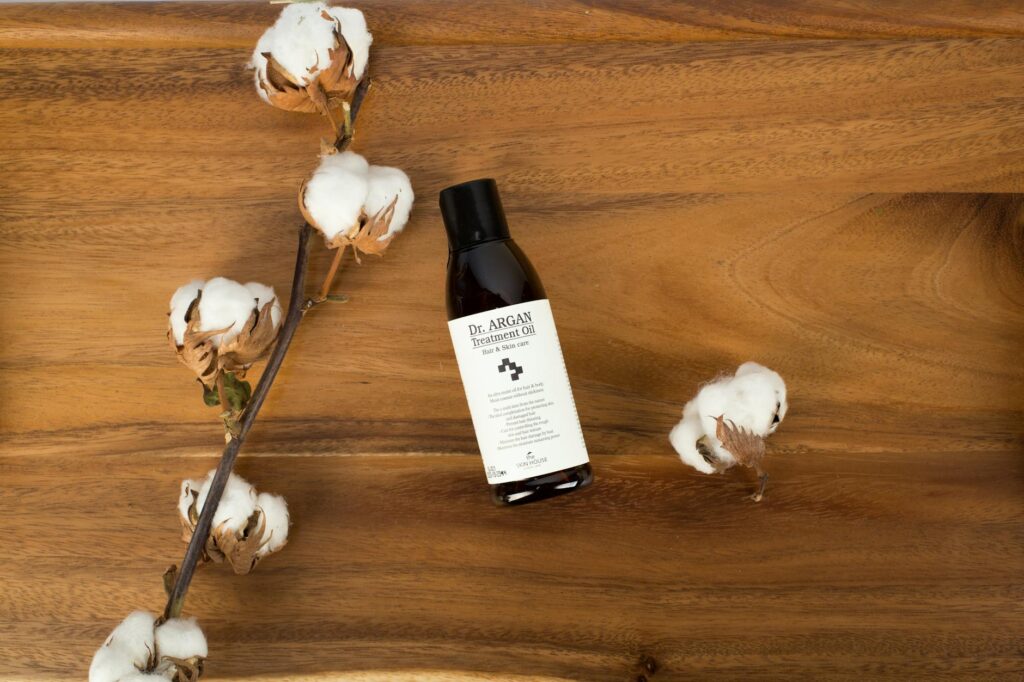
Aromatherapy Uses of Argan Oil
Introduction
Aromatherapy, the practice of using essential oils for therapeutic purposes, has gained popularity as a holistic approach to health and well-being. One oil that has captured the attention of both aromatherapists and wellness enthusiasts alike is argan oil. Extracted from the nuts of the argan tree (Argania spinosa), native to Morocco, argan oil is often lauded for its culinary uses and skincare benefits. However, its applications in aromatherapy are equally noteworthy. This article delves into the properties, benefits, and various uses of argan oil in the context of aromatherapy.
What Is Argan Oil?
Argan oil is derived from the seeds of the argan tree, which is endemic to Morocco. The oil is traditionally produced through a labor-intensive process that involves cracking the nuts by hand, followed by cold-pressing the kernels to extract the oil. This oil is rich in essential fatty acids, antioxidants, and vitamin E, making it a versatile and valuable addition to natural health and beauty regimens.
While argan oil is often categorized as a carrier oil due to its ability to dilute essential oils and enhance their absorption, its unique composition also contributes to its efficacy in various applications.
Key Benefits and Properties
Argan oil boasts an array of beneficial properties, making it an exceptional choice for both skincare and haircare. Some of its key benefits include:
1. Moisturization: Rich in oleic and linoleic acids, argan oil is an effective moisturizer that can hydrate and nourish the skin.
2. Antioxidant Properties: The oil is packed with antioxidants, particularly vitamin E, which helps to protect the skin from damage caused by free radicals.
3. Anti-Inflammatory Effects: Argan oil has mild anti-inflammatory properties, which can help soothe irritated skin and reduce redness.
4. Antimicrobial Activity: Some studies suggest that argan oil may have antimicrobial properties, which can be beneficial in combating certain skin infections.
5. Hair Conditioning: When used on hair, argan oil can help to tame frizz, add shine, and improve overall manageability.
6. Skin Repair: Its high fatty acid content aids in the repair of damaged skin and may assist in the healing of scars and stretch marks.
Common Uses
Argan oil is utilized in a variety of settings, including:
- Skincare: Used in lotions, creams, and serums, argan oil is a popular ingredient for moisturizing and anti-aging products.
- Haircare: It is commonly found in shampoos, conditioners, and hair masks designed to nourish and protect hair.
- Culinary Uses: In Moroccan cuisine, argan oil is used as a dressing for salads and a dip for bread, offering both flavor and health benefits.
- Massage: As a base oil in massage blends, argan oil provides a smooth glide and nourishment to the skin.
- Lavender and Argan Oil: A calming blend that can promote relaxation and reduce stress.
- Peppermint and Argan Oil: Revitalizing and refreshing, this blend can invigorate the senses and improve focus.
- Patch Test: Before using argan oil or any new blend on the skin, perform a patch test to check for allergic reactions or skin sensitivities.
- Dilution: Always dilute essential oils in a carrier oil like argan oil before applying them to the skin. A common dilution ratio is 2-3 drops of essential oil per teaspoon of carrier oil.
- Quality Matters: Ensure that you are using high-quality, pure argan oil. Look for cold-pressed, organic certifications to guarantee the oil’s purity and effectiveness.
- Consultation: If you are pregnant, nursing, or have specific health conditions, consult a healthcare professional before using essential oils or argan oil.
- Container: Store argan oil in a dark glass container to protect it from light, which can degrade the oil over time.
- Cool, Dry Place: Keep the oil in a cool, dry place away from direct sunlight and heat sources.
- Shelf Life: When stored correctly, argan oil can last for up to 24 months. However, always check for changes in odor or appearance before use, as these can indicate spoilage.
Aromatherapy Applications
In aromatherapy, argan oil serves primarily as a carrier oil due to its neutral scent and moisturizing properties. Its role is to dilute essential oils, making them safer for topical application. Here are some specific aromatherapy applications of argan oil:
1. Blending with Essential Oils: Argan oil can be blended with various essential oils to create personalized aromatherapy blends. For example:
2. Massage Therapy: When used as a carrier oil in massage therapy, argan oil can enhance the effectiveness of essential oils while providing skin nourishment.
3. Facial Serums: Combining argan oil with essential oils like tea tree or frankincense can create an effective facial serum that hydrates while addressing specific skin concerns.
4. Aromatherapy Diffusion: While argan oil is not usually diffused, it can be included in formulations for topical application after being diluted with essential oils to maximize its benefits.
5. Bath Oils: Adding argan oil to bathwater along with soothing essential oils can create a luxurious and moisturizing bath experience.
Safety Considerations
While argan oil is generally regarded as safe for topical use, it is important to consider the following safety measures:
Storage and Shelf Life
Proper storage is essential to maintain the quality and efficacy of argan oil. Here are some storage tips:
Frequently Asked Questions
1. Can I use argan oil directly on my skin?
Yes, argan oil can be applied directly to the skin. However, it is advisable to perform a patch test first to check for any sensitivities.
2. Is argan oil suitable for all skin types?
Argan oil is generally suitable for most skin types, including dry, oily, and sensitive skin. Its non-comedogenic nature means it won’t clog pores.
3. How can I incorporate argan oil into my skincare routine?
Argan oil can be used as a moisturizer, added to serums, or used in DIY skincare recipes. It can also be mixed with essential oils for additional benefits.
4. Can argan oil help with hair issues?
Yes, argan oil is effective for various hair issues, including dryness, frizz, and split ends. It can be used as a leave-in conditioner or added to hair masks.
5. Is argan oil safe for children?
Argan oil is generally considered safe for children, but it is best to consult a pediatrician before use, especially for infants and toddlers.
Conclusion
Argan oil is a versatile and beneficial oil that enhances the practice of aromatherapy. From its rich composition and skin-loving properties to its role as an effective carrier oil, argan oil offers a myriad of applications in both skincare and holistic wellness. By understanding the various uses and benefits of argan oil, individuals can incorporate it into their aromatherapy practices to enhance their overall well-being.