
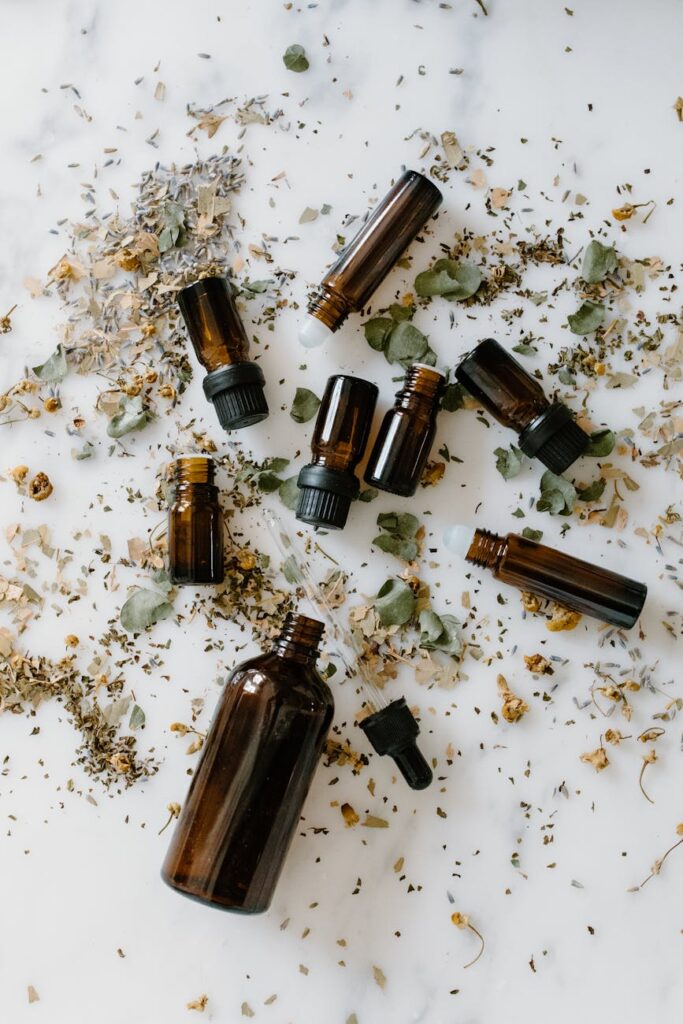
Aromatherapy Uses of Aromatherapy Blends for Anti-Inflammation
Introduction
Aromatherapy, a holistic healing practice, harnesses the power of essential oils derived from plants to promote physical, emotional, and spiritual well-being. Among its various applications, the use of aromatherapy blends for anti-inflammation has garnered attention for its potential benefits. By understanding the properties and uses of these blends, individuals can explore natural ways to support their overall health and well-being.
What Is Aromatherapy Blends for Anti-Inflammation?
Aromatherapy blends for anti-inflammation consist of carefully curated combinations of essential oils that possess anti-inflammatory properties. Inflammation is a natural response of the body to injury or infection; however, chronic inflammation can lead to various health issues. Essential oils like lavender, eucalyptus, and peppermint are commonly featured in such blends due to their inherent qualities.
These blends are not only used for their potential physical benefits but also for their ability to provide emotional comfort and enhance the overall sensory experience. The synergy created by combining multiple essential oils can amplify their effects, making them a popular choice for those seeking natural remedies.
Key Benefits and Properties
The key benefits of aromatherapy blends for anti-inflammation include:
1. Reduced Inflammation: Certain essential oils have been shown to possess anti-inflammatory properties that may help alleviate discomfort associated with inflammation.
2. Pain Relief: Many essential oils can provide a soothing effect, potentially easing sensations of pain linked to inflammation.
3. Mood Enhancement: Aromatherapy is well-known for its ability to improve mood and reduce stress. Blends designed for anti-inflammatory purposes can help create a calming atmosphere, which may further support the body’s healing processes.
4. Enhanced Circulation: Some essential oils are believed to promote better blood flow, which can assist in the body’s natural healing mechanisms.
5. Support for Immune Function: Certain oils may support the immune system, aiding the body in its response to inflammation.
Common Uses
Aromatherapy blends for anti-inflammation can be utilized in various ways:
- Topical Application: Diluted essential oils can be applied directly to areas of discomfort. This method allows for targeted relief and can be especially beneficial for localized inflammation.
- Inhalation: Inhaling the aroma of essential oils can promote relaxation and provide systemic benefits. This can be achieved through diffusers, steam inhalation, or simply by adding a few drops to a tissue.
- Bathing: Adding essential oils to bathwater can create a soothing and immersive experience, allowing for both physical and emotional benefits.
- Massage: Incorporating anti-inflammatory blends into massage oils can enhance the therapeutic effects of massage therapy, promoting relaxation and relief from tension.
- 5 drops Lavender
- 4 drops Eucalyptus
- 3 drops Peppermint
- 2 drops Frankincense
- 2 drops Tea Tree
- Dark Glass Containers: Store essential oils in dark glass bottles to protect them from light, which can degrade their quality.
- Cool, Dry Place: Keep oils in a cool, dry place, away from direct sunlight and heat sources.
- Shelf Life: The shelf life of essential oils can vary, but most have a shelf life of 1-3 years when stored correctly. Check for changes in scent, color, or viscosity, as these may indicate that the oil has degraded.
Aromatherapy Applications
When creating or using aromatherapy blends for anti-inflammation, consider the following essential oils known for their properties:
1. Lavender (Lavandula angustifolia)
Lavender essential oil is renowned for its calming effects. It possesses anti-inflammatory and analgesic properties, making it a common choice for soothing muscle pain and reducing inflammation.
2. Eucalyptus (Eucalyptus globulus)
Eucalyptus oil is often used for its cooling effects and is believed to assist in alleviating respiratory inflammation. Its invigorating scent can also promote mental clarity.
3. Peppermint (Mentha piperita)
Peppermint oil has a refreshing aroma and is known for its potential to relieve tension and discomfort. Its cooling sensation may provide immediate relief from localized pain.
4. Tea Tree (Melaleuca alternifolia)
Tea tree oil is recognized for its anti-inflammatory and antiseptic properties, making it effective for skin irritations and inflammatory skin conditions.
5. Frankincense (Boswellia sacra)
Often used in spiritual practices, frankincense oil is believed to have anti-inflammatory properties and may promote relaxation, contributing to overall well-being.
6. Chamomile (Matricaria chamomilla)
Chamomile oil is known for its soothing effects. It may help reduce inflammation and promote relaxation, making it suitable for use in calming blends.
Creating a Blend
To create an anti-inflammatory blend, consider the following proportions:
Dilute this blend in a carrier oil (such as sweet almond or coconut oil) before topical application, or add it to a diffuser for inhalation.
Safety Considerations
While essential oils are generally safe when used appropriately, it is essential to consider the following safety guidelines:
1. Dilution: Always dilute essential oils with a carrier oil before applying them to the skin to prevent irritation or allergic reactions.
2. Patch Testing: Conduct a patch test by applying a small diluted amount to an inconspicuous area of skin to check for adverse reactions.
3. Pregnancy and Nursing: Consult a healthcare provider before using essential oils during pregnancy or while nursing.
4. Children and Pets: Certain essential oils may not be suitable for young children or pets. Research and consult reliable sources before use.
5. Quality of Oils: Use high-quality, pure essential oils from reputable sources to ensure safety and effectiveness.
Storage and Shelf Life
Proper storage of essential oils is crucial for maintaining their potency and efficacy. Follow these guidelines:
Frequently Asked Questions
1. Can aromatherapy blends replace medical treatment?
While aromatherapy blends may provide support for discomfort and promote relaxation, they are not a substitute for medical treatment. Always consult a healthcare professional for any health concerns.
2. How often can I use these blends?
The frequency of use depends on individual preferences and sensitivities. Start with small amounts and observe how your body responds, adjusting as necessary.
3. Are there any essential oils to avoid?
Certain essential oils may not be suitable for everyone, particularly those with specific health conditions, allergies, or sensitivities. Research thoroughly or consult a knowledgeable practitioner before use.
4. Can I use essential oils in cooking?
Not all essential oils are safe for culinary use. Ensure that any oil intended for ingestion is labeled as food-grade and consult reliable sources for guidance.
5. Can I blend my own essential oils?
Yes, creating your own blends allows for personalization according to your preferences and needs. It is recommended to research essential oil properties and potential interactions before mixing.
Conclusion
Aromatherapy blends for anti-inflammation offer a natural approach to support well-being and comfort. By understanding the properties of various essential oils and how to use them safely, individuals can incorporate these blends into their daily routines. Whether through topical application, inhalation, or bathing, the aromatic experience can enhance not only physical health but also emotional well-being. As with any holistic practice, a thoughtful approach and a commitment to safety will yield the best results.