
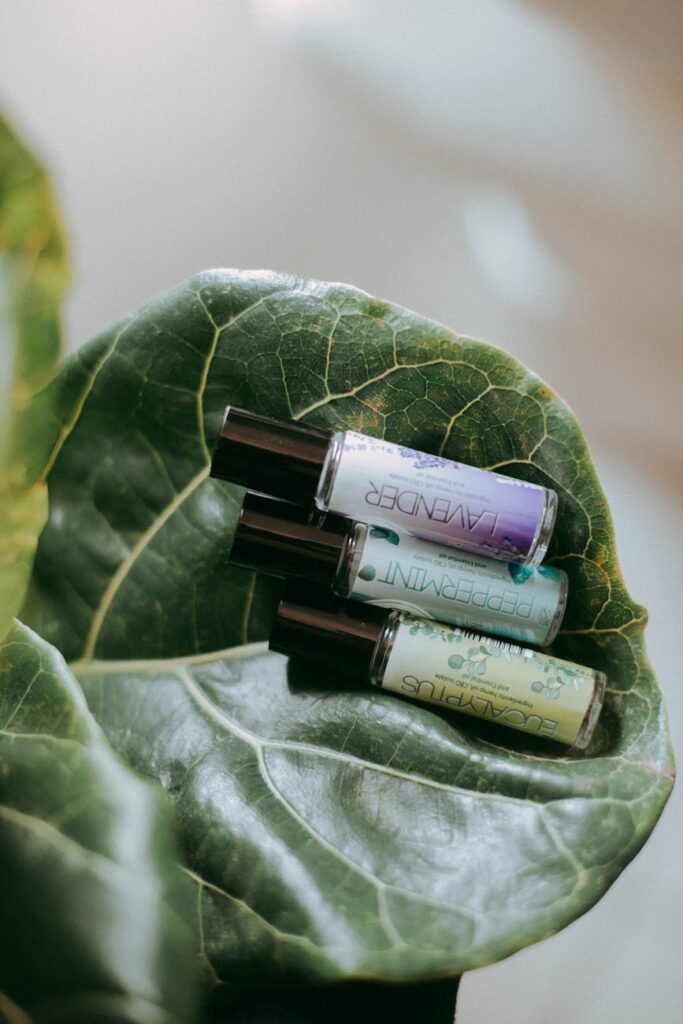
Aromatherapy Uses of Aromatherapy Blends for Creativity Enhancement
Introduction
Aromatherapy, the practice of utilizing aromatic plant extracts to enhance physical and psychological well-being, has gained popularity in recent years for its potential to stimulate creativity. By harnessing the power of essential oils, individuals can create blends that may foster inspiration, enhance focus, and promote a general sense of well-being conducive to creative pursuits. This article explores the concept of aromatherapy blends specifically crafted for creativity enhancement, detailing their benefits, applications, and safety considerations.
What Is Aromatherapy Blends for Creativity Enhancement?
Aromatherapy blends for creativity enhancement are mixtures of essential oils specifically chosen for their potential to stimulate the mind and evoke creative thought. Each essential oil possesses unique properties, and when combined, they can create synergistic effects that may help individuals tap into their creative potential. These blends often incorporate oils known for their uplifting scents or cognitive-enhancing properties, such as citrus oils, floral oils, and herbal oils.
Key Benefits and Properties
1. Stimulating the Mind:
Certain essential oils are believed to enhance cognitive function and mental clarity. Oils like rosemary and peppermint may help improve focus and concentration, thereby facilitating the creative process.
2. Elevating Mood:
Many essential oils have mood-lifting properties. Citrus oils such as bergamot and sweet orange are often used to create an uplifting atmosphere that can promote feelings of happiness and creativity.
3. Reducing Stress:
Creativity can be stifled by stress and anxiety. Oils like lavender and chamomile are known for their calming effects, which may help reduce tension and create a more conducive environment for creative expression.
4. Enhancing Imagination:
Some oils, such as sandalwood and frankincense, are thought to promote introspection and deeper thinking, potentially unlocking imaginative thoughts and ideas.
5. Encouraging Relaxation:
Relaxation is a key component of creativity. Aromatherapy blends that include calming oils can help create a peaceful atmosphere, allowing for free-flowing thoughts and ideas.
Common Uses
The application of aromatherapy blends for creativity enhancement can vary widely depending on individual preferences and creative needs. Here are some common uses:
- Workspaces:
- Artistic Pursuits:
- Meditation and Mindfulness:
- Personal Development Workshops:
Diffusing creativity-enhancing blends in workspaces can help set the tone for brainstorming sessions or artistic endeavors.
Artists, writers, and musicians may benefit from inhaling or applying these blends before engaging in their craft to help unlock new ideas.
Utilizing these blends during meditation can facilitate deeper states of relaxation and introspection, fostering a creative mindset.
Incorporating aromatherapy into workshops focused on creativity can enhance the overall experience, creating a vibrant and inspiring environment.
Aromatherapy Applications
There are various methods for applying aromatherapy blends for creativity enhancement:
1. Diffusion:
Using an essential oil diffuser is one of the most popular methods for dispersing aromatic compounds into the air. This technique is especially effective in larger spaces, filling the environment with uplifting scents.
2. Topical Application:
Diluting essential oils in a carrier oil (such as jojoba or sweet almond oil) allows for topical application. This method can be useful for personal inhalation; simply apply to pulse points (wrists, behind the ears) and inhale gently.
3. Inhalation:
For a quick boost of inspiration, inhaling blends from a cotton ball or inhaler can provide immediate effects. This method can be particularly useful during moments of creative block.
4. Baths:
Adding a few drops of creativity-enhancing essential oils to bathwater can create a relaxing experience that encourages reflective thought and creative flow.
5. Scented Candles:
Creating or purchasing candles infused with creativity-enhancing essential oils can provide both ambiance and aromatic stimulation.
Safety Considerations
While essential oils are generally safe when used correctly, it is crucial to observe safety guidelines:
1. Dilution:
Always dilute essential oils before topical application to prevent skin irritation. A common rule of thumb is to use a 2-3% dilution (approximately 12-18 drops of essential oil per ounce of carrier oil).
2. Patch Testing:
Conduct a patch test before applying essential oils to larger skin areas to check for allergic reactions.
3. Pregnancy and Health Conditions:
Some essential oils may not be suitable for pregnant individuals or those with certain health conditions. It is advisable to consult with a knowledgeable practitioner if there are concerns.
4. Quality of Oils:
Always opt for high-quality, pure essential oils from reputable sources to ensure safety and efficacy.
5. Ventilation:
Ensure adequate ventilation when using essential oils in diffusers to avoid overwhelming scents.
Storage and Shelf Life
Proper storage of essential oils is vital to maintaining their quality and efficacy. Here are some guidelines:
1. Containers:
Store essential oils in dark glass bottles to protect them from light and degradation. Avoid plastic containers as they can interact negatively with certain oils.
2. Temperature:
Keep oils in a cool, dry place away from direct sunlight and heat sources. Extreme temperatures can alter the oils’ chemical composition.
3. Shelf Life:
Essential oils typically have a shelf life ranging from 1 to 5 years, depending on the oil. Citrus oils tend to have shorter shelf lives, while oils like sandalwood can last longer. Always check for any changes in scent or consistency before use.
Frequently Asked Questions
1. Can anyone use aromatherapy blends for creativity enhancement?
Yes, most people can benefit from aromatherapy blends. However, individuals with allergies, sensitivities, or certain health conditions should exercise caution and consult a professional if necessary.
2. How do I create my own creativity-enhancing blend?
To create a personalized blend, select 2-4 essential oils that resonate with your creative goals. Combine them in a carrier oil or diffuser, adjusting the ratios to your preference.
3. How long does it take to feel the effects of aromatherapy?
The effects of aromatherapy can be felt almost immediately, especially with inhalation methods. However, cumulative effects may build over time with regular use.
4. Are there any specific oils that are particularly effective for creativity enhancement?
While individual responses vary, popular choices include peppermint, rosemary, bergamot, and frankincense. Experimentation is key to discovering what works best for you.
5. Can I use creativity-enhancing blends while working or studying?
Yes, many people find that diffusing or applying these blends can help improve focus and foster an inspiring atmosphere while working or studying.
Conclusion
Aromatherapy blends for creativity enhancement offer a natural and holistic approach to unlocking inspiration and fostering a conducive environment for creative expression. By understanding the properties and applications of essential oils, individuals can tailor their experiences to suit their unique creative needs. Whether through diffusion, topical application, or other methods, the thoughtful use of aromatherapy can provide a valuable tool in the pursuit of creativity.