
Aromatherapy Uses of Aromatherapy Blends for Digestive Support
Introduction
Aromatherapy, a holistic healing practice that utilizes the therapeutic properties of essential oils, has gained significant attention in recent years due to its potential to promote well-being. One area where aromatherapy can be particularly beneficial is in supporting digestive health. This article delves into the concept of aromatherapy blends specifically designed for digestive support, exploring their benefits, common applications, and safety considerations.
What Is Aromatherapy Blends for Digestive Support?
Aromatherapy blends for digestive support are combinations of essential oils formulated to address various digestive issues, such as bloating, indigestion, and discomfort. These blends often include oils known for their soothing, carminative, and anti-inflammatory properties. The synergistic effect of these essential oils can help to create a balanced and calming experience, potentially aiding in the alleviation of digestive distress.
Common essential oils used in digestive support blends include peppermint, ginger, fennel, and chamomile. Each oil possesses unique characteristics that contribute to the overall efficacy of the blend.
Key Benefits and Properties
1. Soothing Effects
Many essential oils have calming properties that can help relax the digestive tract. For example, chamomile is well-known for its ability to soothe the stomach and alleviate feelings of discomfort.
2. Carminative Properties
Carminative essential oils, such as peppermint and fennel, can help reduce gas and bloating by promoting the expulsion of gas from the gastrointestinal tract. These oils can be particularly effective in alleviating feelings of fullness and discomfort after meals.
3. Anti-inflammatory Action
Certain essential oils contain compounds that exhibit anti-inflammatory properties. Ginger, for example, is often used to help reduce inflammation in the digestive system, potentially aiding in the relief of conditions such as nausea and upset stomach.
4. Digestive Stimulant
Some oils, like lemon and ginger, may stimulate digestive processes. They can enhance the secretion of digestive enzymes, promoting better digestion and nutrient absorption.
Common Uses
Aromatherapy blends for digestive support can be utilized in various ways, depending on individual preferences and needs. Here are some common applications:
1. Inhalation
Inhalation is one of the simplest and most effective ways to experience the benefits of aromatherapy. A few drops of a digestive support blend can be added to a diffuser, allowing the aromatic molecules to fill the air. Alternatively, individuals can inhale directly from the bottle or use a personal inhaler.
2. Topical Application
Essential oils should be diluted with a carrier oil before applying to the skin. A common blend for digestive support might include oils like peppermint and ginger mixed with a carrier oil such as coconut or jojoba. The mixture can be gently massaged onto the abdomen to provide relief from discomfort.
3. Bathing
Adding a few drops of an aromatherapy blend to a warm bath can create a soothing experience. The warmth of the water helps to diffuse the oils, allowing for both inhalation and skin absorption.
4. Compresses
A warm or cold compress infused with essential oils can provide localized relief. For digestive discomfort, a warm compress applied to the abdomen can help relax the muscles and promote a sense of comfort.
Aromatherapy Applications
1. Digestive Discomfort Relief
To alleviate occasional digestive discomfort, a blend of peppermint, ginger, and chamomile essential oils can be inhaled or applied topically. These oils work synergistically to soothe the digestive tract and promote relaxation.
2. Nausea and Motion Sickness
For those prone to nausea, especially during travel, a blend of ginger and peppermint can be beneficial. Inhaling this combination or using it in a personal inhaler may help reduce feelings of queasiness.
3. Bloating and Gas Reduction
A carminative blend consisting of fennel, peppermint, and cardamom can be effective for addressing bloating and gas. Applying this blend topically or inhaling it can provide quick relief.
4. General Digestive Support
For daily digestive support, a refreshing blend of lemon, ginger, and spearmint can be added to a diffuser or inhaled throughout the day. This uplifting combination can stimulate digestion and promote overall well-being.
Safety Considerations
While aromatherapy can be a beneficial practice, it is essential to consider certain safety guidelines:
1. Dilution
Essential oils are highly concentrated and should always be diluted before topical application. A general rule is to use 1-2 drops of essential oil per teaspoon of carrier oil.
2. Quality of Oils
Using high-quality, pure essential oils is crucial. Look for oils that are 100% pure, free from additives, and sourced from reputable suppliers.
3. Skin Sensitivity
Before applying a new blend to the skin, conduct a patch test to check for any adverse reactions. If irritation occurs, discontinue use immediately.
4. Consultation with Professionals
Individuals with pre-existing health conditions, pregnant or nursing women, and those taking medications should consult with a healthcare professional or a certified aromatherapist before using essential oils.
Storage and Shelf Life
Proper storage of essential oils is essential to maintain their potency and effectiveness. Here are some tips for storage:
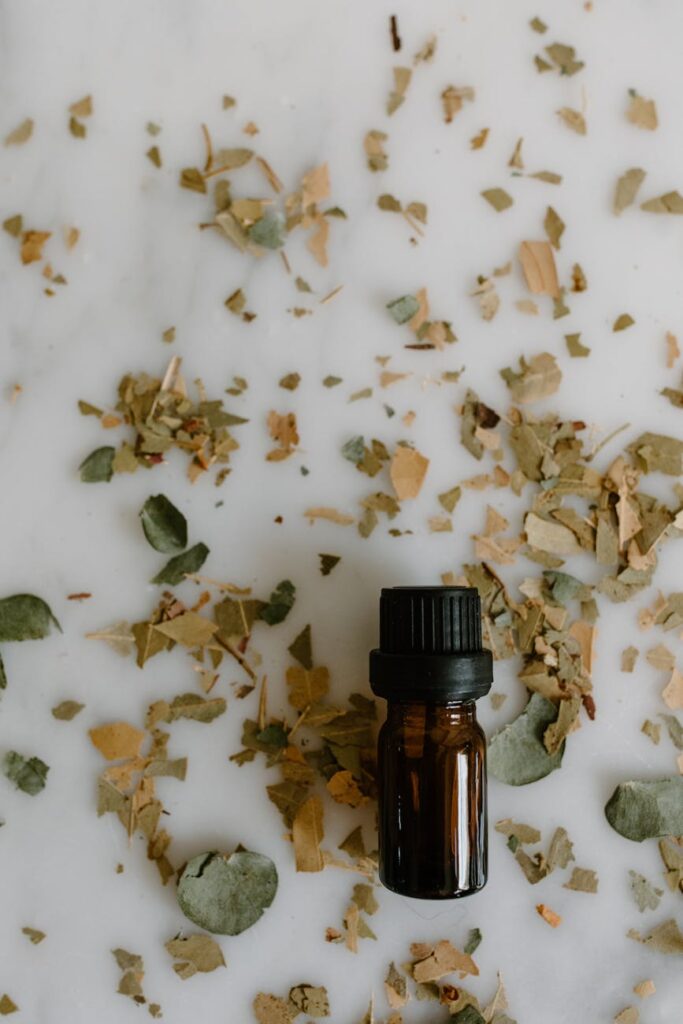
- Keep Away from Light: Essential oils should be stored in dark glass bottles to protect them from UV light exposure, which can degrade their quality.
- Cool Temperature: Store essential oils in a cool, dry place, away from heat sources.
- Shelf Life: Generally, most essential oils have a shelf life of 1-3 years, but this can vary depending on the oil. Citrus oils tend to have a shorter shelf life, while oils like patchouli and sandalwood can last longer.
Frequently Asked Questions
1. Can I ingest essential oils for digestive support?
Ingesting essential oils is not generally recommended unless under the guidance of a qualified healthcare professional. Some oils can be toxic if consumed improperly.
2. How often can I use aromatherapy blends for digestive support?
The frequency of use can vary based on individual needs and sensitivities. It is advisable to start with moderate use and adjust as needed.
3. Are there any essential oils I should avoid for digestive issues?
Certain essential oils, like wintergreen and eucalyptus, can be irritating to the digestive system and should be avoided if you have sensitivity.
4. Can children use these blends?
Children’s skin can be more sensitive to essential oils. It is crucial to consult with a qualified aromatherapist or healthcare provider for guidance on safe usage for children.
5. What should I do if I experience an adverse reaction?
If an adverse reaction occurs, discontinue use immediately, wash the area with soap and water, and seek medical advice if necessary. Always perform a patch test before using a new blend.
Conclusion
Aromatherapy blends for digestive support offer a holistic approach to promoting digestive health. With a variety of essential oils renowned for their soothing, carminative, and anti-inflammatory properties, these blends can be a valuable addition to one’s wellness routine. By understanding the applications, safety considerations, and proper usage, individuals can harness the potential benefits of aromatherapy to support their digestive well-being. As always, it is essential to approach aromatherapy with mindfulness and respect for the potent nature of essential oils.