
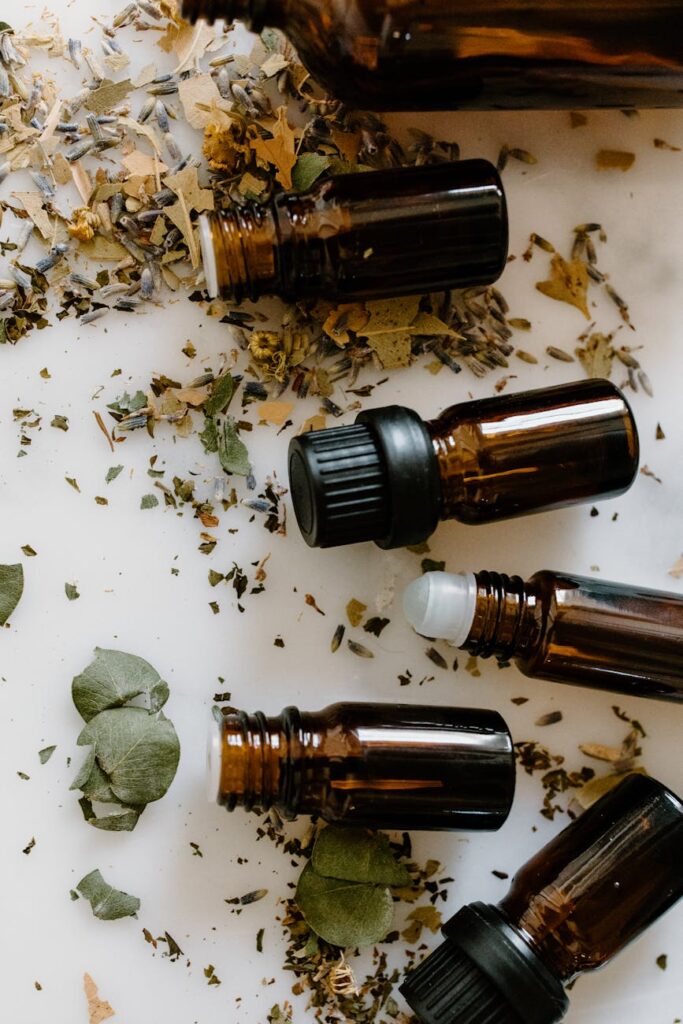
Aromatherapy Uses of Aromatherapy Blends for Emotional Healing
Introduction
Aromatherapy has gained recognition as a complementary therapy that utilizes the natural fragrances of essential oils to promote emotional and physical well-being. Among the various applications of aromatherapy, blends specifically designed for emotional healing have become increasingly popular. These blends harness the therapeutic properties of various essential oils to help individuals navigate a spectrum of emotional states, from stress and anxiety to sadness and anger. This article will explore the concept of aromatherapy blends for emotional healing, their benefits, common uses, applications, safety considerations, and storage guidelines.
What Is Aromatherapy Blends for Emotional Healing?
Aromatherapy blends for emotional healing typically consist of a combination of essential oils, each selected for its unique properties and effects on mood and emotional state. Essential oils are concentrated extracts derived from plants, and they possess various therapeutic properties that can influence emotional well-being. When combined into blends, these oils can synergistically enhance their effects, offering a holistic approach to emotional support.
Commonly used essential oils in emotional healing blends include lavender for relaxation, bergamot for uplifting mood, and frankincense for grounding. Each oil brings its own aromatic profile and therapeutic benefit, making the creation of blends both an art and a science.
Key Benefits and Properties
The benefits of aromatherapy blends for emotional healing are multifaceted. Some of the key properties include:
- Mood Enhancement: Many essential oils can uplift mood and create a sense of happiness and well-being. Citrus oils like sweet orange and lemon are particularly known for their invigorating effects.
- Stress Relief: Blends containing calming oils such as chamomile and lavender can help reduce feelings of stress and anxiety, promoting a sense of relaxation.
- Emotional Balance: Some oils, like ylang-ylang and geranium, are believed to help balance emotions, making them useful for those experiencing mood swings or emotional turmoil.
- Grounding and Centering: Grounding oils such as cedarwood and vetiver can help individuals feel more centered and connected, providing stability during times of emotional upheaval.
- Support for Sleep: Certain blends can aid in promoting restful sleep, which is often disrupted by emotional distress. Oils like marjoram and sandalwood are commonly included for their sedative properties.
- Diffusion: Using an essential oil diffuser is one of the most popular methods for dispersing aromatic blends throughout a room. The inhalation of essential oil molecules can influence mood and create a calming environment.
- Topical Application: Diluting essential oils in carrier oils (such as jojoba or sweet almond oil) allows for safe topical application. This method can be particularly effective for localized emotional support, such as applying a blend to pulse points.
- Bathing: Adding aromatherapy blends to bath water can create a serene atmosphere, allowing for relaxation and emotional release. The warmth of the water helps to diffuse the oils while promoting skin absorption.
- Inhalation: Direct inhalation of essential oil blends from the bottle or a personal inhaler can provide immediate emotional support. This method is particularly useful for on-the-go relief.
- Massage: Incorporating aromatherapy blends into massage practices can enhance relaxation and emotional release. The combination of touch and aroma can create a deeply soothing experience.
- Stress Relief Blend: A combination of lavender, bergamot, and chamomile can be used to alleviate stress and promote relaxation. This blend is ideal for use during times of high tension.
- Uplifting Blend: A mix of sweet orange, grapefruit, and peppermint can invigorate the senses and uplift mood. This blend is suitable for morning use or during periods of fatigue.
- Grounding Blend: Combining frankincense, cedarwood, and vetiver, this blend helps foster a sense of stability and grounding, particularly during times of emotional upheaval.
- Sleep Support Blend: A blend of lavender, marjoram, and sandalwood can promote restful sleep. This blend is best used in a diffuser before bedtime or added to a warm bath.
- Emotional Balance Blend: A mix of geranium, ylang-ylang, and clary sage can help balance fluctuating emotions, making it useful during transitional periods.
- Dilution: Always dilute essential oils before applying them to the skin. A general guideline is to use 1-3% dilution, which equates to 1-3 drops of essential oil per teaspoon of carrier oil.
- Patch Testing: Before applying a new blend to larger areas of the skin, conduct a patch test on a small area to check for any adverse reactions.
- Quality of Oils: Choose high-quality, pure essential oils from reputable sources. Avoid synthetic fragrances or oils that contain additives, as these may not provide the intended therapeutic effects.
- Pregnancy and Nursing: Some essential oils are not recommended for use during pregnancy or nursing. Always consult with a healthcare provider if unsure.
- Children and Pets: Certain oils may be harmful to children or pets. Research specific oils and their safety profiles before use around these vulnerable populations.
- Dark Glass Containers: Store essential oils in dark glass bottles to protect them from light, which can degrade their quality.
- Cool, Dry Place: Keep oils in a cool, dry environment, away from direct sunlight and heat sources.
- Labeling: Clearly label bottles with the oil name and date of purchase to ensure proper usage and tracking of shelf life.
- Shelf Life: While many essential oils can last for several years if stored properly, some oils have shorter shelf lives. Citrus oils, for example, may begin to degrade after 1-2 years, while oils like cedarwood can last up to 4-5 years.
Common Uses
Aromatherapy blends for emotional healing can be utilized in various ways, depending on individual preferences and needs. Here are some common applications:
Aromatherapy Applications
The application of aromatherapy blends for emotional healing can be tailored to suit individual needs. Here are some specific blends and their intended emotional benefits:
Safety Considerations
While aromatherapy offers numerous benefits, safety is paramount. Here are some important considerations:
Storage and Shelf Life
Proper storage of essential oils is crucial to maintaining their potency and efficacy. Here are some guidelines:
Frequently Asked Questions
1. Can aromatherapy blends replace traditional therapy?
While aromatherapy can be a valuable complementary tool for emotional healing, it should not replace traditional mental health therapies. It is best used in conjunction with professional guidance.
2. How do I choose the right blend for my emotional needs?
Identifying your emotional state and desired outcome is a good starting point. Research the properties of different essential oils and experiment to find blends that resonate with you.
3. Are there any side effects to using aromatherapy blends?
Most individuals tolerate essential oils well, but some may experience allergic reactions or skin irritation. Always perform a patch test and consult a healthcare provider if you have concerns.
4. How often can I use aromatherapy blends?
There is no strict guideline for frequency, but using blends in moderation—such as a few times a day or week—can help maintain their effectiveness and prevent olfactory fatigue.
5. Can I create my own blends at home?
Yes, creating your own blends can be a rewarding experience. Start with a few essential oils that you enjoy and research their properties to create a blend that meets your emotional needs.
Conclusion
Aromatherapy blends for emotional healing offer a natural, holistic approach to enhancing emotional well-being. By leveraging the unique properties of various essential oils, individuals can find support in navigating their emotional landscapes. Whether through diffusing, topical application, or inhalation, these blends provide a versatile tool for emotional healing. Always prioritize safety and quality when using essential oils, and consider consulting a professional for personalized guidance. With the right knowledge and care, aromatherapy can be a powerful ally in the journey toward emotional balance and wellness.