
Aromatherapy Uses of Aromatherapy Blends for Enhanced Respiratory Function
Introduction
Aromatherapy is a holistic approach that harnesses the therapeutic potential of essential oils derived from plants. These concentrated extracts are used to promote physical and emotional well-being. Among the various applications of aromatherapy, enhancing respiratory function stands out as a significant area of interest. This article explores the properties, benefits, and applications of aromatherapy blends specifically designed for respiratory support, providing a comprehensive guide for enthusiasts and practitioners alike.
What Is Aromatherapy Blends for Enhanced Respiratory Function?
Aromatherapy blends for enhanced respiratory function typically consist of a carefully curated selection of essential oils known for their respiratory benefits. These blends aim to support lung health, ease breathing, and promote overall respiratory well-being. Common ingredients in these blends may include eucalyptus, peppermint, tea tree, lavender, and rosemary, each offering unique properties that contribute to improved respiratory function.
The formulation of these blends can vary widely, depending on the desired effects and the preferences of the user. When utilized correctly, these blends can provide a soothing and supportive experience, particularly during times of respiratory discomfort.
Key Benefits and Properties
The essential oils used in respiratory blends are rich in various natural compounds that contribute to their therapeutic properties. Below are some key benefits and properties of commonly used essential oils in respiratory blends:
- Eucalyptus: Known for its menthol-like aroma, eucalyptus oil is often recognized for its ability to promote clear airways. It possesses anti-inflammatory and decongestant properties, making it a popular choice for respiratory blends.
- Peppermint: The invigorating scent of peppermint oil can help open up nasal passages and enhance airflow. Its menthol content can provide a cooling effect, which may alleviate feelings of congestion.
- Tea Tree: Renowned for its antimicrobial properties, tea tree oil may support the respiratory system by combating pathogens. It can also have soothing effects on irritated respiratory tissues.
- Lavender: While primarily known for its calming effects, lavender oil can also help relieve respiratory discomfort. Its anti-inflammatory properties can soothe irritated airways and promote relaxation.
- Rosemary: This oil is often associated with mental clarity and focus but also has expectorant properties that may assist in clearing mucus from the airways.
- Inhalation: One of the most common methods is to inhale the aroma directly from the bottle or through a diffuser. This method allows the essential oils to enter the respiratory system quickly, providing immediate relief.
- Topical Application: When diluted with a carrier oil, respiratory blends can be applied to the chest, throat, or back. This topical application allows the oils to penetrate the skin and interact with the body’s systems.
- Steam Inhalation: Adding essential oils to hot water for steam inhalation can create a spa-like experience. Inhaling the steam infused with essential oils may help to loosen mucus and soothe irritated airways.
- Bath Soaks: Adding a few drops of respiratory blends to a warm bath can create a relaxing environment that promotes respiratory comfort while also providing a soothing effect.
- Dilution: Essential oils are highly concentrated and should be diluted before topical application. A general guideline is to use 1-3 drops of essential oil per teaspoon of carrier oil.
- Patch Testing: Before applying any new blend to the skin, conduct a patch test to check for allergic reactions. Apply a small amount of the diluted oil to a small area of skin and observe for any adverse reactions over 24 hours.
- Pregnancy and Nursing: Pregnant or nursing individuals should consult a qualified professional before using essential oils, as some oils may not be advisable during these periods.
- Medical Conditions: Those with existing health conditions, particularly respiratory issues, should consult a healthcare provider prior to using essential oils. While aromatherapy can be an excellent complementary approach, it should not replace conventional medical treatments.
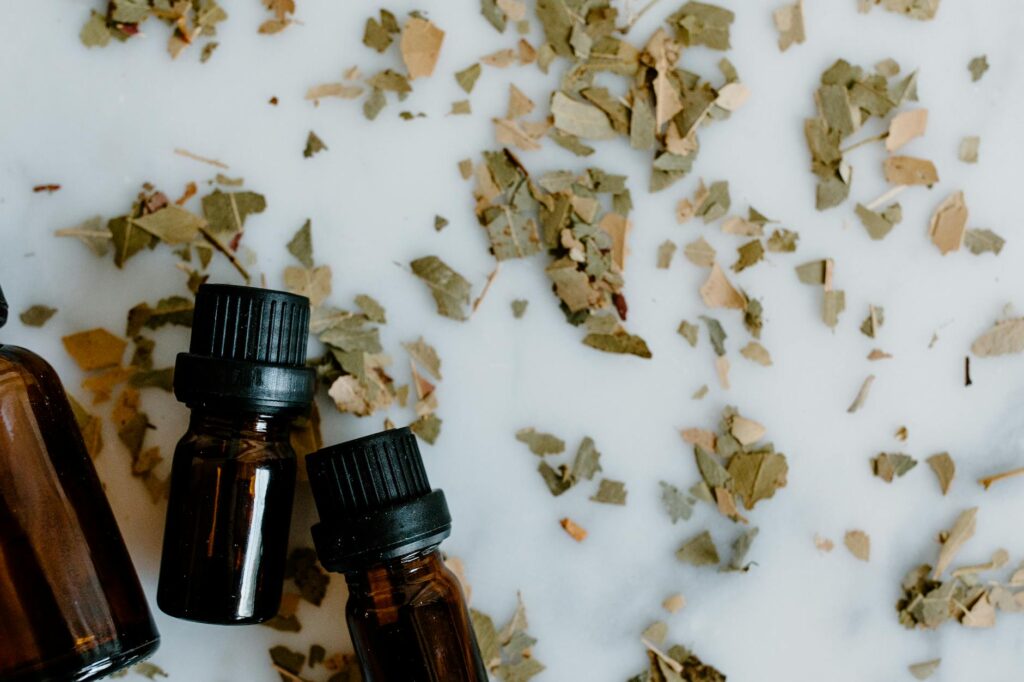
- Containers: Always store essential oils in dark glass bottles to protect them from light, which can degrade their quality. Avoid plastic containers, as essential oils can interact with plastic.
- Temperature: Keep essential oils in a cool, dry place away from direct sunlight and heat sources. Extreme temperatures can alter the chemical composition of the oils.
- Shelf Life: While many essential oils have a long shelf life, they do not last indefinitely. Most essential oils remain effective for 1-3 years, depending on the type. Citrus oils, for instance, may have a shorter shelf life, while oils like sandalwood can last longer.
Common Uses
Aromatherapy blends aimed at enhancing respiratory function can be utilized in various ways, each offering distinct benefits:
Aromatherapy Applications
Diffusers
Using an essential oil diffuser is one of the most effective ways to disperse the aromatic compounds into the air. Diffusers come in various styles, including ultrasonic, nebulizing, and heat-based models. Each type has its advantages, but the goal remains the same: to create a calming atmosphere while enhancing respiratory function.
Inhalers
Personal inhalers are portable devices that allow users to carry their chosen blends with them. These inhalers can be filled with a few drops of the respiratory blend and are especially beneficial for on-the-go relief.
Massage
Incorporating respiratory blends into massage therapy can enhance the experience. When applied to the chest and back, the oils can promote deep breathing while providing relaxation. This method is especially useful for individuals looking to combine the benefits of aromatherapy with physical touch.
Compresses
A warm compress infused with respiratory oils can be applied to the chest or throat area. This method not only delivers the benefits of the oils but also provides soothing warmth that can help relax the muscles and open up the airways.
Safety Considerations
While aromatherapy blends can offer numerous benefits, it is crucial to take certain safety precautions:
Storage and Shelf Life
Proper storage of essential oils is essential to maintain their potency and effectiveness. Here are some guidelines:
Frequently Asked Questions
Can I use essential oils if I have allergies?
While some individuals find relief from respiratory issues using essential oils, it is essential to approach this with caution. If you have allergies, consult a healthcare professional before using any new oils, and consider performing a patch test.
Which essential oils are best for respiratory function?
Commonly used essential oils for respiratory support include eucalyptus, peppermint, tea tree, lavender, and rosemary. Each has unique properties that can contribute to respiratory wellness.
How often can I use respiratory blends?
The frequency of use can vary based on individual preferences and needs. For inhalation or diffusion, using the blend several times a day is common, while topical applications should be limited to a few times a day to avoid skin irritation.
Can children use these blends?
Children may benefit from diluted essential oils, but it is crucial to use oils that are safe for their age group. Always consult a qualified professional for guidance on appropriate oils and dilution ratios for children.
Are there any essential oils to avoid for respiratory issues?
Certain essential oils, such as those that are very strong or irritating (like clove or cinnamon), may not be suitable for individuals with respiratory conditions. Always consult a knowledgeable source or professional when selecting oils for specific health concerns.
Conclusion
Aromatherapy blends for enhanced respiratory function offer a holistic approach to supporting respiratory health. By understanding the properties and applications of various essential oils, users can create personalized experiences that promote well-being. As with any natural remedy, safety considerations and individual preferences should guide the use of these blends. Whether through inhalation, topical application, or diffusion, the benefits of aromatherapy can be a valuable addition to one’s wellness routine.