
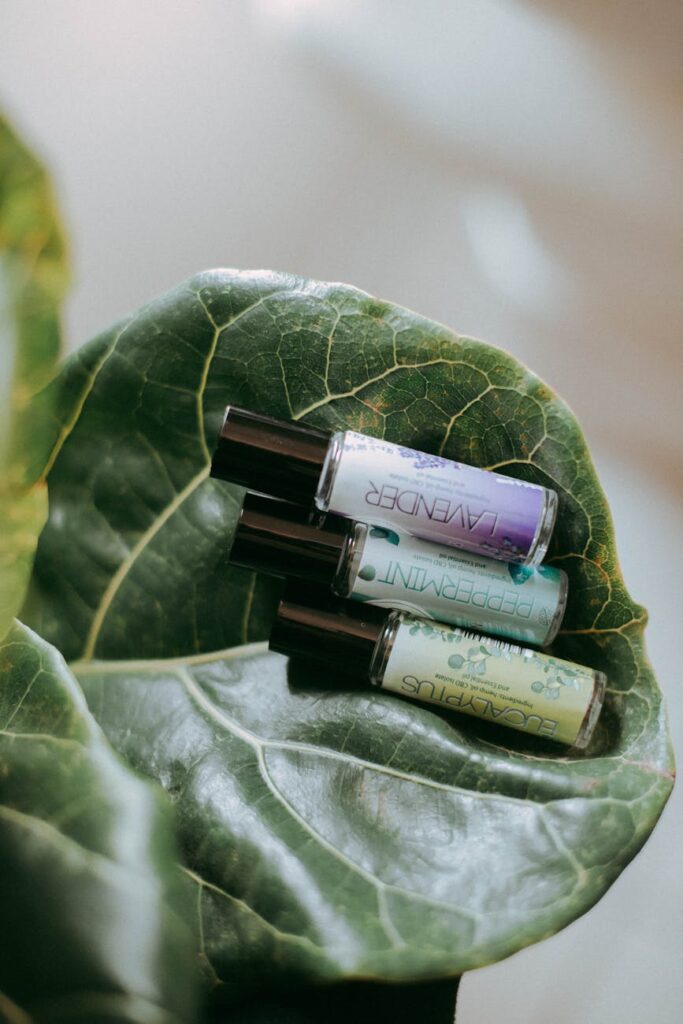
Aromatherapy Uses of Aromatherapy Blends for Enhanced Sleep Quality
Introduction
In the quest for improved sleep quality, many individuals seek holistic approaches to enhance their nightly rest. Aromatherapy, the practice of using essential oils for therapeutic benefit, has gained popularity as a natural solution. Specifically, aromatherapy blends designed for sleep can provide a range of effects that promote relaxation, reduce anxiety, and create an inviting atmosphere conducive to restful slumber. This article delves into the world of aromatherapy blends for enhanced sleep quality, exploring their properties, applications, and best practices.
What Is Aromatherapy Blends for Enhanced Sleep Quality?
Aromatherapy blends for sleep are combinations of essential oils specifically formulated to promote relaxation and improve sleep quality. These blends often include oils known for their calming properties, such as lavender, chamomile, and bergamot. The synergistic effects of these essential oils can help to soothe the mind, reduce tension, and create an environment that is conducive to sleep.
By inhaling the aromatic compounds released by these oils, individuals may experience a shift in mood, decreased feelings of stress, and an overall sense of tranquility. Aromatherapy blends can be used in various ways, making them versatile tools in the pursuit of better sleep.
Key Benefits and Properties
1. Promotes Relaxation
Many essential oils used in sleep blends have calming effects that can help to relax both the mind and body. For instance, lavender oil is widely recognized for its ability to reduce anxiety and promote a feeling of calmness.
2. Reduces Anxiety
Essential oils such as chamomile and bergamot are known for their anxiolytic properties. These oils can help to alleviate feelings of anxiety and restlessness, making it easier to transition into a restful state.
3. Improves Sleep Quality
Certain essential oils have been shown to enhance sleep quality by promoting deeper sleep cycles. Oils like cedarwood and vetiver are often included in sleep blends for their ability to encourage restorative sleep.
4. Creates a Calming Atmosphere
The aromatic experience of essential oils can transform a space into a tranquil environment, making it easier to unwind and prepare for sleep. The act of incorporating these scents into a bedtime routine can itself become a comforting ritual.
Common Uses
Aromatherapy blends for sleep can be utilized in various ways, depending on individual preferences and circumstances. Here are some of the most common applications:
1. Diffusion
Using an essential oil diffuser is a popular method for dispersing the therapeutic properties of sleep blends into the air. This method allows the oils to be inhaled while creating a soothing ambiance in the bedroom.
2. Topical Application
Diluting essential oils in a carrier oil and applying them to pulse points, such as wrists and temples, can provide localized benefits. This method allows for a direct connection between the oils and the body’s olfactory system.
3. Bath Soaks
Adding a few drops of a sleep blend to a warm bath can enhance relaxation. The combination of warm water and calming aromas creates a peaceful environment that prepares the body for sleep.
4. Sleep Masks and Pillows
Incorporating essential oils into sleep masks or pillowcases can provide prolonged exposure to the calming aromas throughout the night. This method is particularly effective for those who may have difficulty falling asleep.
Aromatherapy Applications
1. Sleep Blend Recipes
Creating your own sleep blend can be a fulfilling experience. Here are a few simple recipes to get started:
- Calming Lavender Blend
- 5 drops Lavender essential oil
- 3 drops Chamomile essential oil
- 2 drops Bergamot essential oil
- Woodland Rest Blend
- 4 drops Cedarwood essential oil
- 4 drops Vetiver essential oil
- 2 drops Frankincense essential oil
- Timing: Start diffusing the sleep blend about 30 minutes before bedtime to allow the aromas to permeate the room.
- Water Quality: Use clean, filtered water in the diffuser to ensure the best diffusion of essential oils.
- Cleanliness: Regularly clean your diffuser to prevent buildup of essential oils, which can affect both aroma and functionality.
- A warm bath infused with essential oils
- Gentle stretching or yoga accompanied by calming scents
- Reading a book or meditating in a space filled with soothing aromas
2. Diffuser Techniques
When using a diffuser, consider the following tips for optimal results:
3. Creating a Bedtime Ritual
Incorporating aromatherapy blends into a consistent bedtime ritual can enhance their effectiveness. Consider activities such as:
Safety Considerations
While aromatherapy can be a beneficial practice, certain safety considerations should be kept in mind:
1. Skin Sensitivity
Essential oils are highly concentrated substances that may cause irritation if applied directly to the skin. Always dilute essential oils in a carrier oil before topical application and conduct a patch test to check for allergic reactions.
2. Quality of Essential Oils
Choosing high-quality, pure essential oils is crucial. Look for oils that are labeled as therapeutic-grade, free from synthetic additives, and sourced from reputable manufacturers.
3. Consult a Professional
If you are pregnant, nursing, or have specific health concerns, it is advisable to consult a healthcare professional before using essential oils.
Storage and Shelf Life
Proper storage of essential oils is essential to maintain their potency and effectiveness. Follow these guidelines for optimal storage:
1. Dark Glass Containers
Store essential oils in dark glass bottles to protect them from light exposure, which can degrade the oils over time.
2. Cool, Dry Place
Keep essential oils in a cool, dry area, away from direct sunlight and heat sources. This will help preserve their efficacy.
3. Shelf Life
Most essential oils have a shelf life of 1-3 years, depending on the type of oil. Citrus oils tend to have shorter shelf lives, while oils like sandalwood and patchouli can last longer.
Frequently Asked Questions
1. Can I use any essential oil for sleep?
Not all essential oils are suitable for promoting sleep. Look for oils known for their calming and relaxing properties, such as lavender, chamomile, and cedarwood.
2. How often should I use aromatherapy blends for sleep?
You can use aromatherapy blends nightly as part of your bedtime routine. However, listen to your body’s response and adjust usage as needed.
3. Are there any side effects of using essential oils?
While generally safe when used properly, some individuals may experience skin irritation or allergic reactions. Always perform a patch test before topical application and consult a professional if uncertain.
4. Can children use aromatherapy blends?
Aromatherapy can be beneficial for children, but it is essential to use oils that are safe for their age group and to dilute them appropriately. Consult with a healthcare professional for guidance.
5. How can I make a sleep blend more effective?
Incorporating the blend into a calming bedtime ritual, maintaining a consistent sleep schedule, and creating a comfortable sleep environment can enhance the effectiveness of aromatherapy blends.
Conclusion
Aromatherapy blends for enhanced sleep quality offer a natural and holistic approach to achieving a more restful night’s sleep. By understanding the properties, benefits, and applications of these blends, individuals can create personalized experiences that promote relaxation and tranquility. As with any holistic practice, it is essential to approach aromatherapy with mindfulness, ensuring safety and quality for the best results. Through the integration of these aromatic practices into daily life, one can cultivate a soothing atmosphere that supports restorative sleep.