
Aromatherapy Uses of Aromatherapy Blends for Focus and Concentration
Introduction
In our fast-paced world, maintaining focus and concentration is essential for productivity and overall well-being. Aromatherapy, the practice of utilizing essential oils to enhance physical and emotional health, has gained popularity as a natural method to improve cognitive functions. This article explores the various uses of aromatherapy blends specifically designed to promote focus and concentration, detailing their benefits, applications, and safety considerations.
What Are Aromatherapy Blends for Focus and Concentration?
Aromatherapy blends for focus and concentration are carefully formulated mixtures of essential oils chosen for their cognitive-enhancing properties. These blends often include oils derived from plants known to stimulate the mind, improve alertness, and promote mental clarity. Popular essential oils in these blends may include peppermint, rosemary, lemon, and basil, among others. When diffused or applied, these oils create an aromatic environment that can help individuals concentrate better on tasks, whether at work, school, or home.
Key Benefits and Properties
The benefits of aromatherapy blends for focus and concentration can be attributed to the unique properties of essential oils. Some key benefits include:
Enhanced Mental Clarity
Certain essential oils, such as rosemary and peppermint, are known to enhance mental clarity by stimulating the brain. These oils may help improve memory retention and cognitive performance.
Increased Alertness
Citrus oils, like lemon and orange, are often used in blends for their uplifting properties. They can help combat fatigue and promote a sense of alertness, making them ideal for use during long study sessions or work hours.
Stress Reduction
Stress and anxiety can significantly hinder concentration. Essential oils like lavender and chamomile may help mitigate stress levels, allowing for improved focus. While these oils are not typically included in blends aimed solely at concentration, they may be beneficial when combined with more stimulating oils.
Mood Enhancement
Aromatherapy blends can also elevate mood, creating a positive environment for concentration. Oils like bergamot and ylang-ylang are known for their mood-lifting properties and can complement the more focused qualities of other oils.
Common Uses
Aromatherapy blends for focus and concentration can be utilized in various settings. Here are some common uses:
Workspace Enhancement
Diffusing a focus blend in the workplace can create an environment conducive to productivity. Many individuals find that certain scents enhance their work performance, making it easier to complete tasks efficiently.
Study Sessions
Students often benefit from using aromatherapy blends during study sessions. The right scents can help improve memory recall and keep students alert and engaged.
Meditation and Mindfulness
Incorporating aromatherapy blends into meditation practices can deepen focus and enhance the overall experience. Certain oils can help clear the mind, allowing for a more profound state of mindfulness.
Creative Pursuits
Artists, writers, and other creatives may find that specific scents inspire creativity and enhance their concentration. Blends designed for focus can help eliminate distractions and foster a creative flow.
Aromatherapy Applications
There are several ways to apply aromatherapy blends for focus and concentration:
Diffusion
One of the most popular methods is using an essential oil diffuser. Simply add a few drops of the chosen blend to the diffuser and allow the aroma to fill the room. This method is effective for creating a focused atmosphere in any space.
Inhalation
For a quick boost, individuals can place a few drops of the blend on a cotton ball or tissue and inhale the scent directly. This technique allows for immediate access to the benefits of the oils.
Topical Application
When diluted with a carrier oil, aromatherapy blends can be applied topically. Common application areas include pulse points such as wrists, temples, and behind the ears. This method allows for a more personalized experience.
Bathing
Adding a few drops of the focus blend to a warm bath can create a calming and invigorating experience. The combination of heat and aroma can further enhance relaxation and concentration.
Safety Considerations
While aromatherapy is generally considered safe, certain precautions should be taken to ensure a safe and enjoyable experience:
Skin Sensitivity
Some essential oils may cause skin irritation, especially when applied directly. It is advisable to conduct a patch test before using any new blend topically. Diluting essential oils in a carrier oil can also minimize the risk of irritation.
Pregnancy and Nursing
Pregnant or nursing individuals should consult with a healthcare professional before using essential oils, as some oils may not be safe during these periods.
Allergies and Asthma
Individuals with allergies or respiratory conditions should approach aromatherapy with caution. Certain oils may exacerbate symptoms, so it is essential to choose oils that are well-tolerated.
Child Safety
Many essential oils are not recommended for use around young children. Always check the guidelines for individual oils and consult with a professional when in doubt.
Storage and Shelf Life
Proper storage of essential oils is critical to maintaining their potency and efficacy. Here are some guidelines:
Storage Conditions
Essential oils should be stored in a cool, dark place, away from sunlight and heat sources. Amber or cobalt glass bottles are ideal for protecting the oils from light and oxidation.
Shelf Life
While many essential oils can last for several years, their shelf life varies depending on the type of oil and storage conditions. Citrus oils tend to have a shorter shelf life, while oils like patchouli and sandalwood can age well over time. Always check for any changes in scent or appearance before use.
Frequently Asked Questions
Can I create my own aromatherapy blends for focus and concentration?
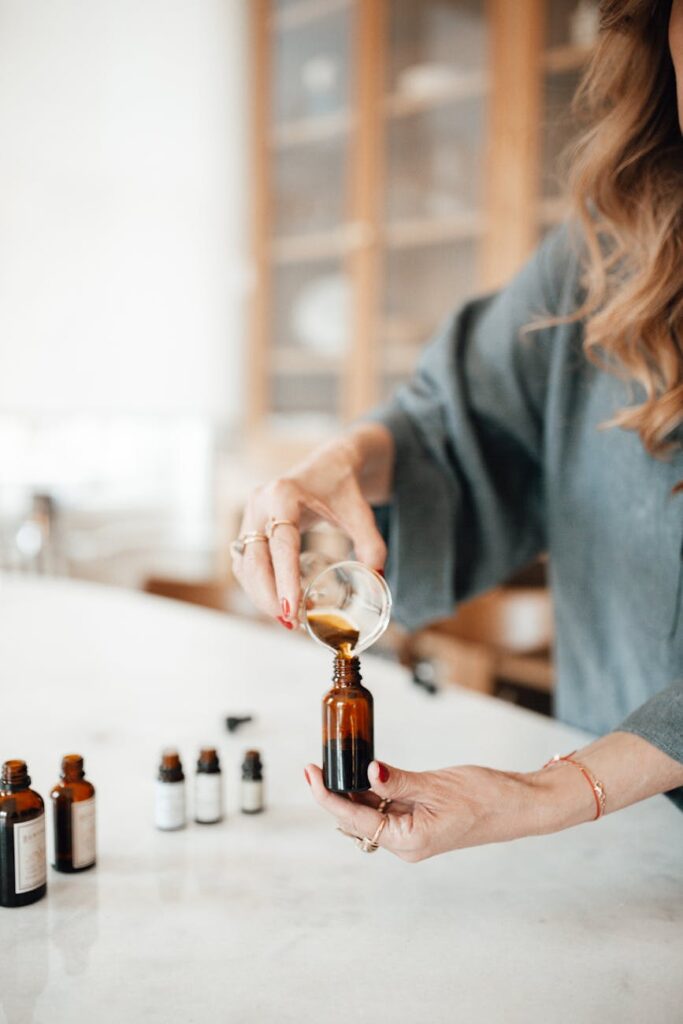
Yes, creating your own blends can be a rewarding experience. Start by selecting essential oils known for their focus-enhancing properties and experiment with different combinations to find what works best for you.
How long does the effect of aromatherapy blends last?
The duration of the effects can vary based on factors such as the method of application and individual sensitivity. Diffused scents may linger for several hours, while inhalation may provide immediate but shorter-lasting effects.
Are there any side effects of using essential oils?
While essential oils are generally safe, some individuals may experience allergic reactions or skin irritations. It is essential to perform a patch test and consult a healthcare professional if you have concerns.
How often can I use aromatherapy blends for focus and concentration?
The frequency of use can vary depending on personal preference and sensitivity. Many individuals find that using blends several times a day, particularly during tasks requiring concentration, is beneficial.
Can aromatherapy replace other focus-enhancing methods?
Aromatherapy can be a complementary tool for enhancing focus and concentration but should not be considered a substitute for other methods such as adequate sleep, nutrition, and exercise.
Conclusion
Aromatherapy blends for focus and concentration offer a natural and holistic approach to enhance cognitive functions and create an environment conducive to productivity. By understanding the properties and applications of these essential oils, individuals can harness the power of aromatherapy to optimize their focus and mental clarity. With proper safety considerations and storage practices, aromatherapy can serve as a valuable addition to your daily routine, helping you achieve your personal and professional goals.