
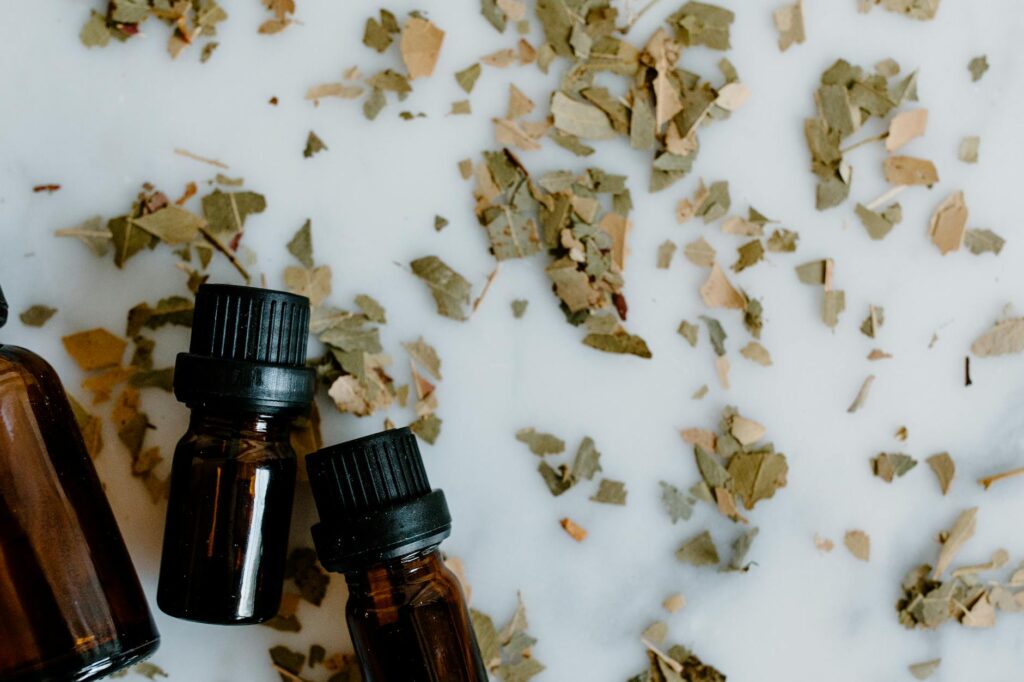
Aromatherapy Uses of Aromatherapy Blends for Heart Health
Introduction
Aromatherapy is an age-old practice that harnesses the therapeutic properties of essential oils derived from plants, flowers, and herbs. It involves the use of aromatic compounds to enhance physical and emotional well-being. Among its various applications, aromatherapy blends aimed at promoting heart health have garnered attention for their potential benefits. This article explores the nature of these blends, their key benefits, common uses, application methods, safety considerations, storage guidelines, and frequently asked questions.
What Is Aromatherapy Blends for Heart Health?
Aromatherapy blends for heart health are specific combinations of essential oils that are thought to support cardiovascular wellness and emotional balance. These blends typically contain oils known for their calming, uplifting, and soothing properties, which may help mitigate stress and promote relaxation—factors that can significantly influence heart health.
Common essential oils included in these blends are lavender, bergamot, ylang-ylang, frankincense, and geranium. Each of these oils possesses unique characteristics, and when combined, they create synergistic effects that may enhance their overall benefits.
Key Benefits and Properties
1. Stress Reduction
Chronic stress is a significant contributor to heart-related issues. Many essential oils used in heart health blends are known for their calming properties. For instance, lavender is widely recognized for its ability to reduce anxiety and promote relaxation, helping to lower cortisol levels in the body.
2. Emotional Balance
Emotional well-being plays a crucial role in heart health. Essential oils like bergamot and ylang-ylang are often used in aromatherapy for their uplifting effects. They can help alleviate feelings of sadness and promote a sense of joy, which may indirectly benefit heart health by reducing emotional strain.
3. Improved Circulation
Some essential oils, such as ginger and rosemary, are believed to improve circulation. Enhanced blood flow can support overall cardiovascular health and promote the efficient functioning of the heart.
4. Antioxidant Properties
Many essential oils possess antioxidant properties that may help combat oxidative stress in the body. Oils like frankincense and geranium are known for their potential to protect cells from damage, which is beneficial for maintaining overall heart health.
Common Uses
Aromatherapy blends for heart health can be used in various ways. Here are some common applications:
1. Diffusion
Using a diffuser to disperse essential oils into the air is one of the most popular methods. This allows for the inhalation of the aromatic compounds, providing both emotional and physical benefits.
2. Topical Application
Diluting essential oils in a carrier oil and applying them to pulse points or areas of tension can enhance the effects of the oils. Common areas for application include the wrists, temples, and heart area.
3. Bathing
Adding essential oil blends to bathwater can create a soothing environment, promoting relaxation and stress relief. The warm water helps to release the oils into the air and can enhance their therapeutic effects.
4. Inhalation
Direct inhalation of essential oils from the bottle or a tissue can provide immediate relief during stressful moments. This method is particularly effective for quick emotional support.
Aromatherapy Applications
1. Blending Techniques
When creating aromatherapy blends for heart health, it is essential to consider the balance of oils. A typical blend might include:
- Base Notes: Oils like frankincense and cedarwood, which provide grounding effects.
- Middle Notes: Oils such as geranium and ylang-ylang, which offer emotional balance.
- Top Notes: Oils like bergamot and lemon, which can uplift the spirit.
- 3 drops of lavender essential oil
- 2 drops of bergamot essential oil
- 2 drops of ylang-ylang essential oil
- 1 drop of ginger essential oil
- Dilute in 10 ml of a carrier oil, such as jojoba or sweet almond oil.
- Light: Store essential oils in dark glass bottles to protect them from light exposure, which can degrade their quality.
- Temperature: Keep oils in a cool, dry place away from direct sunlight and heat sources.
2. Sample Blend Recipe
A simple aromatherapy blend for heart health might include:
This blend can be used for topical application or added to a diffuser.
3. Aromatherapy Practices
Incorporating aromatherapy into daily routines can enhance its benefits. Consider setting aside time for mindfulness practices, such as meditation or yoga, while using heart health blends. This combination can create a holistic approach to well-being.
Safety Considerations
While aromatherapy is generally safe, certain precautions should be observed:
1. Dilution
Essential oils are potent substances and should be diluted before topical application. A common dilution ratio is 1-2% for adults (approximately 6-12 drops of essential oil per ounce of carrier oil).
2. Allergies and Sensitivities
Individuals should conduct a patch test before using a new essential oil. Apply a diluted drop to a small area of skin and wait 24 hours to check for any adverse reactions.
3. Pregnancy and Medical Conditions
Pregnant individuals and those with existing medical conditions should consult with a healthcare professional before using essential oils. Certain oils may not be suitable for everyone.
4. Pediatric Use
Essential oils should be used cautiously with children. Always consult with a qualified aromatherapist or healthcare provider regarding appropriate oils and dilutions for younger populations.
Storage and Shelf Life
Proper storage of essential oils is essential for maintaining their efficacy. Here are some guidelines:
1. Storage Conditions
2. Shelf Life
Most essential oils have a shelf life of 1-3 years, depending on the type of oil and storage conditions. Citrus oils tend to have a shorter shelf life, while oils like patchouli and sandalwood can last longer.
Frequently Asked Questions
1. Can aromatherapy blends cure heart-related conditions?
Aromatherapy should not be viewed as a cure for any medical condition, including heart issues. It is best utilized as a complementary practice to support overall well-being.
2. How often can I use aromatherapy blends for heart health?
Frequency of use can vary depending on individual preferences and sensitivities. Many people find benefit in using aromatherapy daily, while others may use it as needed during stressful situations.
3. Can I create my own blends?
Yes, creating personalized blends can be a rewarding experience. Consider starting with a few essential oils that resonate with you and experiment with different combinations.
4. Are there any essential oils to avoid for heart health?
While many essential oils are beneficial, individuals should avoid oils they are allergic to or those that may interact with medications. Always consult with a healthcare professional if you have concerns.
Conclusion
Aromatherapy blends for heart health offer a holistic approach to emotional and physical well-being. By understanding the properties and applications of these blends, individuals can incorporate them into their daily lives to promote a balanced heart and mind. While aromatherapy is not a substitute for medical care, it serves as a valuable tool in enhancing overall wellness and emotional equilibrium.