
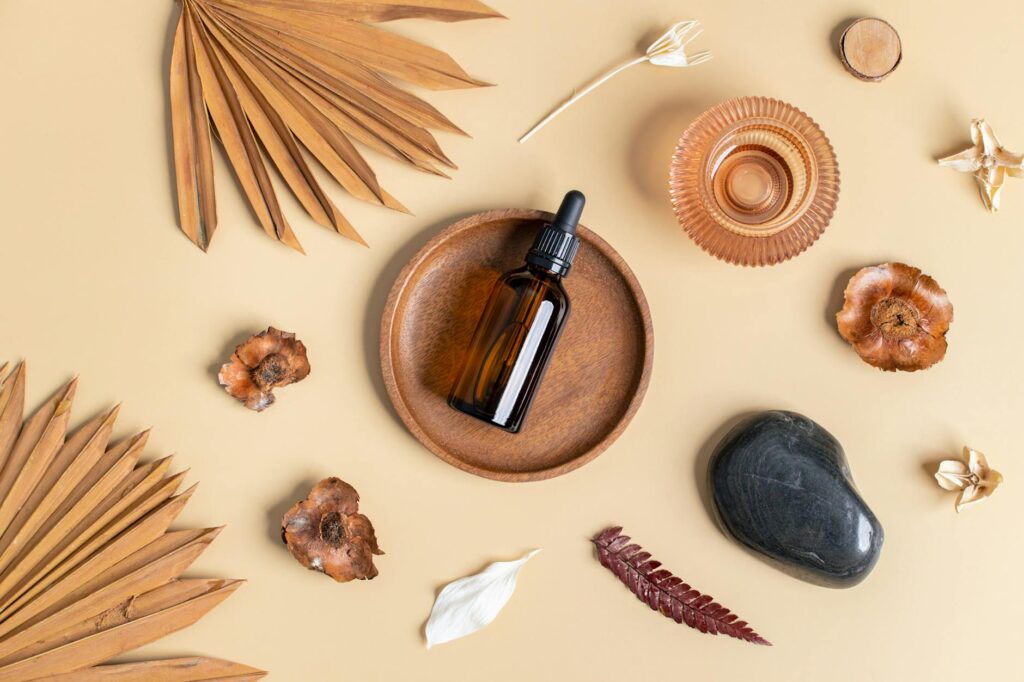
Aromatherapy Uses of Aromatherapy Blends for Hormonal Balance
Introduction
Aromatherapy, the practice of utilizing essential oils extracted from plants for therapeutic benefits, has gained significant attention in recent years. Among its various applications, one of the most intriguing areas is the use of essential oil blends for achieving hormonal balance. Hormonal fluctuations can significantly affect physical and emotional well-being, and aromatherapy offers a gentle and natural approach to support overall hormonal health. This article explores the concept of aromatherapy blends for hormonal balance, their benefits, common uses, applications, safety considerations, and frequently asked questions.
What Is Aromatherapy Blends for Hormonal Balance?
Aromatherapy blends for hormonal balance are carefully formulated combinations of essential oils known for their potential effects on the endocrine system. The endocrine system is a complex network of glands and hormones that regulate numerous bodily functions, including metabolism, growth, mood, and stress responses. Hormonal imbalances can manifest in various ways, including mood swings, fatigue, irregular menstrual cycles, and more.
Certain essential oils possess properties that may help modulate hormonal activity, offering a natural alternative for those looking to alleviate symptoms associated with hormonal fluctuations. These blends typically combine oils such as clary sage, geranium, lavender, and ylang-ylang, known for their potential to promote emotional stability and physical well-being.
Key Benefits and Properties
Essential oils used in aromatherapy blends for hormonal balance offer a range of potential benefits:
1. Emotional Support: Many essential oils are recognized for their uplifting and calming effects. For instance, lavender is often used to reduce anxiety and promote relaxation, which can be particularly beneficial during times of hormonal change.
2. Menstrual Health: Oils like clary sage and geranium may help alleviate menstrual discomfort and support a more regular cycle. Their potential anti-inflammatory properties can also be advantageous for those experiencing cramps.
3. Stress Reduction: Stress can exacerbate hormonal imbalances. Essential oils such as bergamot and frankincense are known for their stress-relieving properties, which may help stabilize emotional responses.
4. Mood Enhancement: Certain oils can promote feelings of joy and well-being, counteracting the mood swings often associated with hormonal fluctuations. Citrus oils, like lemon and orange, are particularly known for their uplifting qualities.
5. Physical Comfort: Many essential oils have anti-inflammatory and analgesic properties that can provide comfort during hormonal transitions, such as menopause.
Common Uses
Aromatherapy blends for hormonal balance can be used in various ways, including:
- Diffusion: Adding a few drops of the blend to a diffuser can disperse the aroma throughout a room, creating an uplifting and calming environment.
- Topical Application: Diluting essential oil blends in a carrier oil (such as coconut or jojoba oil) and applying them to pulse points can provide localized support for hormonal balance.
- Bath Soak: Adding essential oils to a warm bath can offer a soothing experience, particularly during times of increased stress or menstrual discomfort.
- Inhalation: Simple inhalation techniques, such as placing a few drops on a tissue or cotton ball, can provide immediate calming effects.
- Clary Sage: Known for its potential to support menstrual health.
- Geranium: Often used to balance emotions and hormones.
- Lavender: Renowned for its calming and relaxing properties.
- Ylang-Ylang: Used for emotional stability and stress relief.
- Diffuse the blend in a room to create a calming atmosphere.
- Mix with a carrier oil and apply to the abdomen for menstrual discomfort.
- Bergamot: A citrus oil that may help reduce anxiety.
- Frankincense: Often used for its grounding effects.
- Lavender: Adds a soothing touch to the blend.
- Use in a diffuser before bedtime to promote relaxation.
- Inhale directly from the bottle during stressful moments.
- Sweet Orange: Known for its mood-enhancing properties.
- Lemon: Offers a refreshing and energizing aroma.
- Geranium: Balances emotions and uplifts the spirit.
- Use in a diffuser during the day to create an uplifting environment.
- Apply diluted oil to pulse points for an on-the-go mood boost.
- Dilution: Essential oils are highly concentrated and should be diluted with a carrier oil before topical application to avoid skin irritation.
- Skin Sensitivity: Conduct a patch test before using a new essential oil blend on the skin to check for allergic reactions.
- Pregnancy and Nursing: Certain essential oils may not be safe for pregnant or nursing individuals. Consulting with a qualified professional is advisable.
- Medical Conditions: Individuals with specific health conditions or those taking medications should consult a healthcare provider before using essential oils.
- Quality of Oils: Use high-quality, pure essential oils from reputable sources, as synthetic or adulterated oils may not provide the desired effects and could pose health risks.
- Cool, Dark Place: Store essential oils in a cool, dark place away from direct sunlight to prevent degradation.
- Tightly Sealed Containers: Keep essential oils in tightly sealed containers to minimize exposure to air, which can cause oxidation.
- Shelf Life: While essential oils can last for several years, the shelf life varies by oil. Citrus oils typically have a shorter shelf life (1-2 years), while oils like sandalwood and patchouli may last longer (up to 10 years or more).
Aromatherapy Applications
1. Hormonal Balance Blend
Ingredients:
Application:
2. Stress Relief Blend
Ingredients:
Application:
3. Uplifting Blend
Ingredients:
Application:
Safety Considerations
While aromatherapy can be a beneficial practice, it is essential to approach it with caution. Here are some safety considerations:
Storage and Shelf Life
Proper storage of essential oils is crucial to maintain their potency and effectiveness. Here are some tips:
Frequently Asked Questions
1. Can aromatherapy replace medical treatment for hormonal imbalances?
While aromatherapy can provide supportive benefits, it should not replace medical treatment or advice from healthcare professionals. It is best used as a complementary approach.
2. How quickly can I expect to see results from using aromatherapy blends?
The effects of aromatherapy can vary depending on the individual and the specific blend used. Some may experience immediate relief, while others might require consistent use over time.
3. Are there any essential oils I should avoid if I have a specific hormonal condition?
Certain essential oils may not be suitable for individuals with specific conditions, such as hormone-sensitive cancers. Consulting a healthcare provider for personalized advice is recommended.
4. Can I use aromatherapy blends for children?
Some essential oils are safe for children, but caution is advised. Always consult a qualified practitioner for guidance on using essential oils with children.
5. How can I incorporate aromatherapy into my daily routine?
Incorporating aromatherapy into daily life can be as simple as diffusing essential oils during work, adding them to baths, or applying diluted blends to pulse points as needed.
Conclusion
Aromatherapy blends for hormonal balance offer a natural and holistic approach to managing the emotional and physical symptoms associated with hormonal fluctuations. By understanding the properties, benefits, and applications of these essential oil blends, individuals can explore new avenues for enhancing their overall well-being. As always, it is important to approach aromatherapy thoughtfully and in conjunction with professional guidance when necessary.