
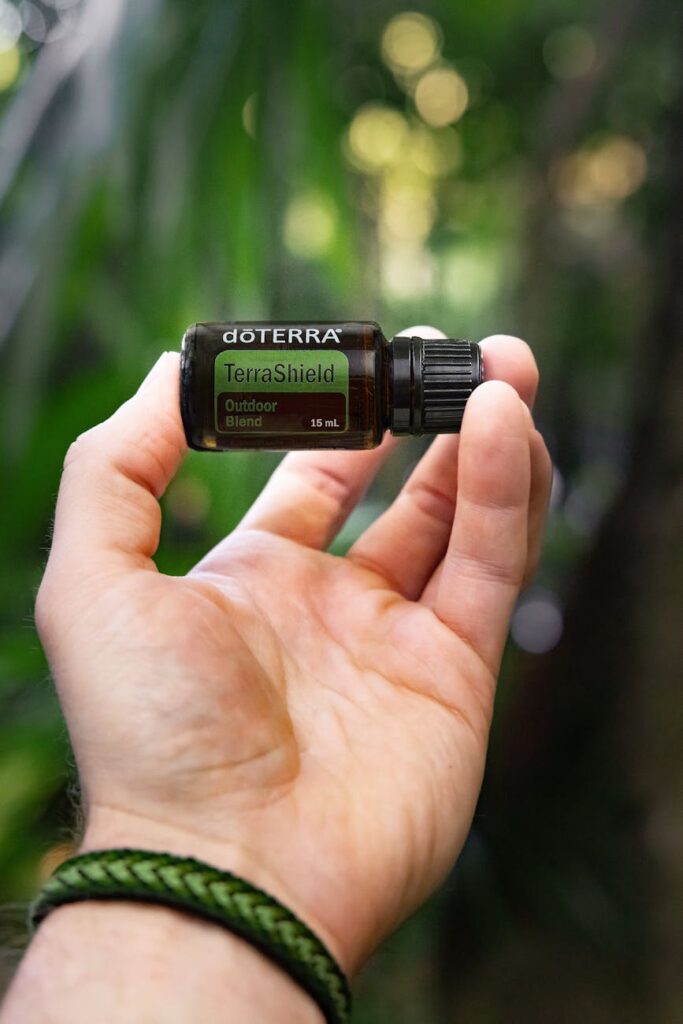
Aromatherapy Uses of Aromatherapy Blends for Immune System Support
Introduction
Aromatherapy, the practice of using essential oils for therapeutic benefits, has gained popularity as a holistic approach to wellness. Among its myriad applications, the use of aromatherapy blends to support the immune system is particularly noteworthy. Essential oils possess unique properties that can enhance physical and emotional well-being, making them valuable allies in maintaining a robust immune system. This article explores the nature of these blends, their benefits, common uses, applications, safety considerations, and storage recommendations.
What Is Aromatherapy Blends for Immune System Support?
Aromatherapy blends for immune system support are synergistic combinations of essential oils specifically selected for their properties that may bolster the body’s natural defenses. These blends typically include oils known for their antimicrobial, antiviral, and anti-inflammatory characteristics. Common essential oils in these blends might include tea tree, eucalyptus, lavender, and lemon, among others.
The idea behind these blends is to harness the healing properties of various essential oils to create a holistic approach to immunity. By combining oils, practitioners aim to enhance their individual benefits, creating a more potent solution for supporting overall health.
Key Benefits and Properties
Aromatherapy blends for immune support can provide a range of benefits, largely attributed to the specific properties of the essential oils used. Here are some key benefits:
1. Antimicrobial Properties: Many essential oils, such as tea tree and oregano, are known for their ability to combat bacteria, viruses, and fungi. This makes them useful in preventing infections.
2. Anti-inflammatory Effects: Oils like lavender and peppermint can help reduce inflammation in the body, potentially aiding in recovery and overall immune function.
3. Mood Enhancement: Stress can negatively impact the immune system. Oils such as bergamot and chamomile can promote relaxation and emotional well-being, thereby supporting immune health indirectly.
4. Respiratory Support: Eucalyptus and peppermint are often used for their ability to support respiratory health, making it easier for the body to fend off pathogens.
5. Detoxification: Citrus oils like lemon and grapefruit can assist in detoxifying the body, supporting the liver and overall immune function.
Common Uses
Aromatherapy blends for immune system support can be employed in various ways. Here are some common applications:
1. Diffusing: One of the most popular methods is diffusing essential oils in the air, creating an aromatic environment that can purify the air and uplift mood.
2. Topical Application: Blending essential oils with a carrier oil, such as jojoba or coconut oil, allows for safe application to the skin. This method can be particularly effective for localized support.
3. Inhalation: Direct inhalation of essential oils from a bottle or a tissue can provide immediate benefits. This method is often used for respiratory support.
4. Bathing: Adding essential oils to bathwater can create a soothing experience while promoting relaxation and overall wellness.
5. Household Cleaning: Essential oils can also be used in cleaning products for their antimicrobial properties, creating a healthier living environment.
Aromatherapy Applications
Incorporating aromatherapy blends into daily routines can be done in several practical ways:
Diffusion
Using an essential oil diffuser, you can disperse the aromatic compounds of the oils into the air. This method allows for an even distribution of the oils, creating a pleasant environment while simultaneously benefiting the immune system. Diffusing blends such as eucalyptus and lemon can invigorate the space and promote respiratory wellness.
Topical Application
To use essential oils topically, it is essential to dilute them in a carrier oil. A common ratio for dilution is 2-3 drops of essential oil per teaspoon of carrier oil. This method can be particularly effective when applied to pulse points or areas where the immune system may need additional support, such as the chest or back.
Inhalation
For quick relief or support, inhaling the scent of essential oils directly can be an effective method. Placing a few drops on a tissue or using an inhaler stick can provide immediate access to the aromatic properties of the oils.
Bathing
Creating an aromatic bath by adding essential oils can be a soothing way to unwind while supporting the immune system. A combination of relaxing oils like lavender and invigorating oils like lemon can create a balanced experience.
Household Cleaning
Incorporating essential oils into cleaning routines can not only purify the air but also harness their antimicrobial properties. Oils such as tea tree and lemon can be added to homemade cleaning solutions, enhancing their effectiveness.
Safety Considerations
While aromatherapy can offer numerous benefits, it is crucial to follow safety guidelines to minimize risks:
1. Dilution: Always dilute essential oils before applying them to the skin to prevent irritation or sensitization.
2. Patch Test: Conduct a patch test on a small area of skin before widespread use, especially for those with sensitive skin.
3. Avoid Ingestion: Essential oils should not be ingested unless specifically directed by a qualified practitioner.
4. Consultation: Pregnant or nursing individuals, as well as those with chronic health conditions, should consult with a healthcare professional before using essential oils.
5. Storage: Essential oils should be stored in a cool, dark place, away from direct sunlight to preserve their potency.
Storage and Shelf Life
Essential oils can last a long time if stored properly. Here are some storage tips:
- Keep Away from Light: Store essential oils in dark glass bottles to protect them from UV rays that may degrade their quality.
- Temperature Control: A consistent, cool temperature helps maintain the integrity of the oils. Avoid exposing them to extreme heat or cold.
- Seal Tightly: Ensure that bottles are tightly sealed after each use to prevent oxidation.
- Shelf Life: While some essential oils can last for years, their shelf life varies. Citrus oils, for example, may have a shorter shelf life, usually around one to two years, while oils like patchouli and sandalwood can last for much longer.
Frequently Asked Questions
Can aromatherapy blends replace traditional medicine?
Aromatherapy blends can complement traditional medicine but should not replace it. Always consult a healthcare provider for medical concerns.
How can I choose the right blend for my needs?
Consider your specific goals and the properties of various essential oils. Research or consult with a qualified aromatherapist to find a blend that meets your needs.
Are there any essential oils to avoid?
Certain essential oils may be irritating for sensitive individuals or should be avoided during pregnancy. Always conduct thorough research or seek professional guidance.
How often can I use aromatherapy blends for immune support?
Frequency of use can vary based on individual needs and the specific oils used. Generally, daily use in small amounts is considered safe, but it’s important to listen to your body and adjust as needed.
Can children use aromatherapy blends?
Children may benefit from diluted essential oils, but it is essential to consult a healthcare provider or qualified aromatherapist for guidance on safe practices.
Conclusion
Aromatherapy blends for immune system support offer a natural, holistic approach to enhancing overall wellness. By understanding the properties of essential oils and their applications, individuals can make informed choices to incorporate these blends into their daily lives. While aromatherapy can provide numerous benefits, it is crucial to prioritize safety and consult with professionals when necessary. Embracing the art of aromatherapy can pave the way for a healthier, more balanced life.