
Aromatherapy Uses of Aromatherapy Blends for Mind-Body Connection
Introduction
In recent years, the ancient practice of aromatherapy has gained significant traction in various wellness communities. This holistic approach uses essential oils extracted from plants to support emotional, mental, and physical well-being. Among its many applications, aromatherapy blends specifically targeting the mind-body connection have become increasingly popular. These blends aim to harmonize the emotional and physical aspects of our being, fostering a state of balance and inner peace.
What Is Aromatherapy Blends for Mind-Body Connection?
Aromatherapy blends are carefully formulated mixtures of essential oils, each chosen for their unique properties and benefits. When combined, these oils create synergistic effects that can enhance their individual qualities. For the mind-body connection, these blends often focus on promoting relaxation, reducing stress, and encouraging mental clarity. The idea is that by influencing our sense of smell, these blends can affect our emotions and overall state of being.
The mind-body connection refers to the intricate relationship between our mental and emotional states and our physical health. Stress, anxiety, and other emotional challenges can manifest physically, leading to a cycle that is difficult to break. Aromatherapy blends can serve as a valuable tool in addressing this complex relationship.
Key Benefits and Properties
Emotional Support
Many essential oils possess properties that can help in emotional regulation. For instance, lavender is well-known for its calming effects, while citrus oils like bergamot can uplift mood and reduce feelings of anxiety. These emotional benefits play a crucial role in strengthening the mind-body connection.
Stress Relief
Stress is a common trigger for various health issues. Aromatherapy blends that incorporate oils such as chamomile and frankincense can help alleviate stress, creating a calming environment that promotes relaxation and mindfulness. By reducing stress levels, individuals can experience a more balanced emotional state.
Enhanced Mental Clarity
Certain essential oils, like rosemary and peppermint, are known to stimulate the mind and improve focus. When blended with oils that promote calmness, a balance can be achieved that enhances mental clarity while maintaining emotional stability.
Physical Well-being
The mind-body connection also encompasses physical health. Essential oils like eucalyptus and ginger can support respiratory health and improve circulation. While these benefits are often physical, they also contribute to an overall sense of well-being, which is vital for emotional health.
Common Uses
Diffusion
One of the most popular methods of using aromatherapy blends is through diffusion. By adding a few drops of a blend into a diffuser, the essential oils are dispersed into the air, creating an aromatic environment that can enhance mood and promote relaxation.
Topical Application
Aromatherapy blends can also be applied directly to the skin, often diluted in a carrier oil. This method allows for the absorption of essential oils, providing both emotional and physical benefits. Common areas for application include pulse points, the back of the neck, and the wrists.
Bathing
Adding aromatherapy blends to bathwater can transform a simple bath into a rejuvenating experience. The warm water helps to release the oils into the air while also allowing for skin absorption. This method combines relaxation with the therapeutic properties of the oils.
Inhalation
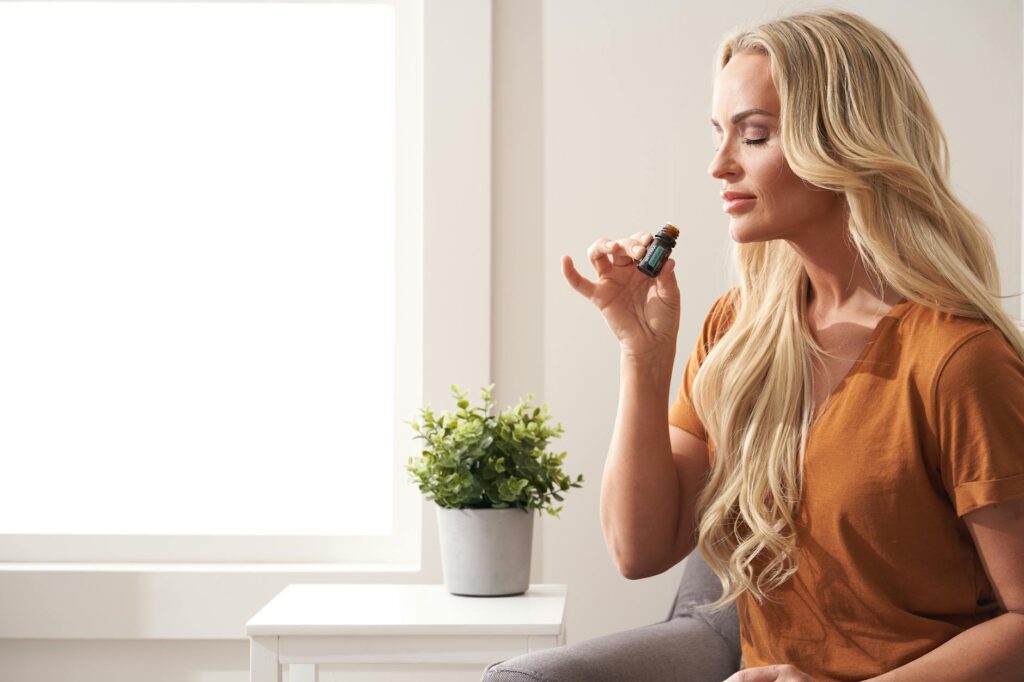
Direct inhalation of essential oils can provide immediate benefits. A few drops of a blend on a tissue or in the palms can be inhaled deeply. This method is particularly effective for quick stress relief or mental clarity.
Aromatherapy Applications
Creating Your Own Blends
Creating personalized aromatherapy blends can be a rewarding experience. When formulating your own blends for the mind-body connection, consider the following:
1. Identify Your Needs: Determine what emotional or physical issues you want to address.
2. Choose Your Oils: Select essential oils that align with your goals. Research their properties and how they may work together.
3. Blend Proportions: Start with a small batch to test the aroma and effects. A common ratio is 3-5 drops of essential oil per 1 tablespoon of carrier oil for topical applications.
4. Test and Adjust: After using your blend, assess its effectiveness and mood-enhancing capabilities, adjusting the proportions as needed.
Pre-Made Blends
For those who prefer not to create their own blends, many companies offer pre-made aromatherapy blends specifically aimed at enhancing the mind-body connection. These can be found in various forms, including roll-ons, sprays, and diffusing oils.
Safety Considerations
While aromatherapy is generally safe, it is essential to consider a few safety guidelines:
1. Dilution: Always dilute essential oils with a carrier oil before applying them to the skin. This reduces the risk of skin irritation.
2. Patch Test: Conduct a patch test on a small area of skin to ensure there are no allergic reactions to a new blend.
3. Pregnancy and Medical Conditions: If pregnant, nursing, or under medical care, consult with a qualified healthcare provider before using essential oils.
4. Quality of Oils: Use high-quality, pure essential oils from reputable sources to ensure safety and efficacy.
5. Avoid Eyes and Sensitive Areas: Keep essential oils away from the eyes and sensitive skin areas to prevent irritation.
Storage and Shelf Life
Proper storage of essential oils is crucial for maintaining their integrity and potency. Essential oils should be stored in a cool, dark place, away from sunlight and heat. Glass containers are preferred, as they do not react with the oils. The shelf life of essential oils varies depending on the type, but most can last anywhere from 1 to 5 years. Citrus oils tend to have a shorter shelf life, while oils like sandalwood and patchouli can last longer.
Frequently Asked Questions
Can I use essential oils if I have allergies?
While many people find relief from allergies using certain essential oils, it is essential to conduct a patch test and consult a healthcare provider for personalized advice.
How often can I use aromatherapy blends?
The frequency of use can vary based on individual preferences and needs. However, it is generally safe to use aromatherapy blends several times a day, especially for stress relief and emotional support.
Are there specific essential oils that work best for anxiety?
Some common essential oils known for their calming effects include lavender, chamomile, bergamot, and frankincense. However, individual preferences and reactions can vary, so personal experimentation may be necessary.
Can children use aromatherapy blends?
Essential oils should be used with caution around children. It is advisable to consult a healthcare provider for recommendations on safe usage and dilution ratios.
Can aromatherapy replace traditional medicine?
Aromatherapy is not a substitute for traditional medicine. While it can be a useful complementary practice, it is essential to consult with healthcare providers for medical advice and treatment.
Conclusion
Aromatherapy blends focusing on the mind-body connection offer a holistic approach to emotional and physical well-being. By harnessing the power of essential oils, individuals can cultivate a sense of balance and harmony in their lives. Whether through diffusion, topical application, or self-created blends, the potential benefits are vast and varied. As with any wellness practice, understanding the properties and safe usage of essential oils is key to maximizing their effectiveness.