
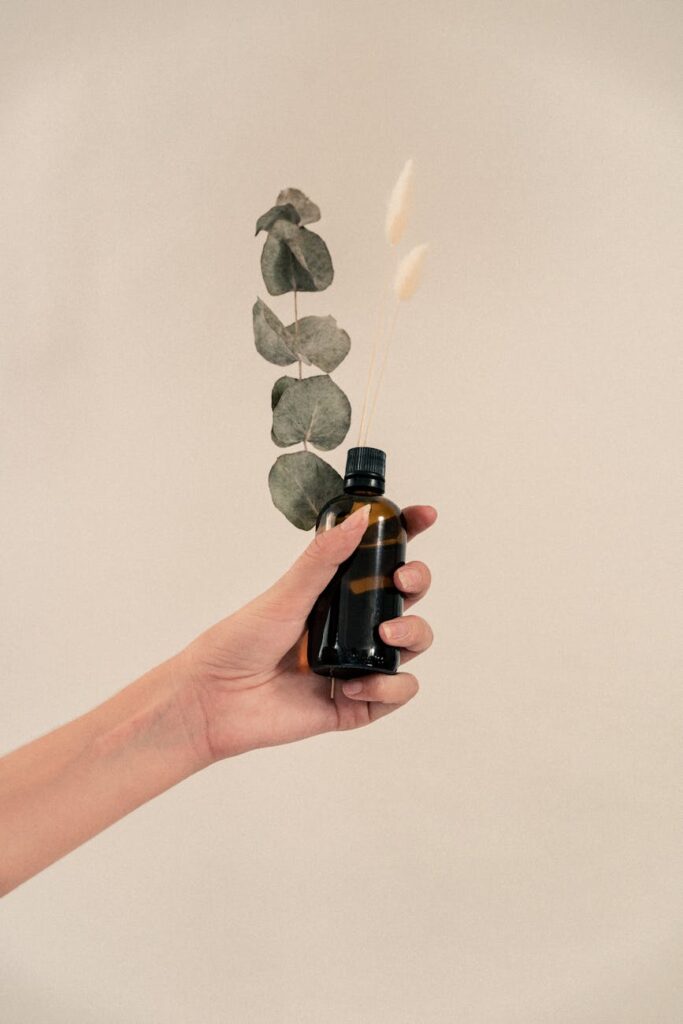
Aromatherapy Uses of Aromatherapy Blends for Mindfulness Practices
Introduction
Aromatherapy, the practice of using essential oils extracted from plants for therapeutic purposes, has gained popularity in recent years, particularly in the realm of mindfulness and wellness. Aromatherapy blends specifically designed for mindfulness practices can enhance relaxation, focus, and emotional stability. This article explores the various aspects of these blends, including their composition, benefits, common uses, applications, safety considerations, and storage.
What Is Aromatherapy Blends for Mindfulness Practices?
Aromatherapy blends for mindfulness practices are combinations of essential oils formulated to support mental clarity, emotional balance, and relaxation. These blends often incorporate oils that possess calming, uplifting, or centering properties, making them ideal for practices such as meditation, yoga, and deep breathing exercises.
Essential oils are typically extracted through distillation or cold pressing from various parts of plants, including leaves, flowers, stems, and roots. When combined, these oils can create synergistic effects, enhancing their individual benefits. For mindfulness applications, popular essential oils may include lavender, bergamot, frankincense, and sandalwood, among others.
Key Benefits and Properties
The benefits of aromatherapy blends for mindfulness practices can be attributed to the unique properties of the constituent essential oils. Here are some key benefits:
1. Stress Reduction
Many essential oils, such as lavender and chamomile, are known for their calming effects. They can help reduce cortisol levels in the body, promoting relaxation and a sense of peace.
2. Enhanced Focus
Certain oils, such as rosemary and peppermint, can stimulate mental clarity and concentration. They are often used in blends aimed at improving cognitive function during mindfulness practices.
3. Emotional Balance
Aromatherapy can help regulate emotions. Oils like bergamot and ylang-ylang may alleviate feelings of anxiety and depression, promoting emotional stability.
4. Improved Sleep
Blends containing sedative oils such as vetiver and cedarwood can support better sleep quality, making them ideal for use before bedtime or during relaxation sessions.
5. Grounding Effect
Essential oils like sandalwood and patchouli possess grounding properties, helping individuals feel more connected to the present moment, which is essential in mindfulness practices.
Common Uses
Aromatherapy blends designed for mindfulness can be used in a variety of settings and methods. Some common uses include:
1. Meditation
Diffusing a calming blend during meditation can create an atmosphere conducive to deep reflection and relaxation.
2. Yoga
Incorporating essential oils into yoga practices can enhance physical and mental alignment, promoting a deeper connection between body and mind.
3. Breathing Exercises
Using aromatherapy during breathwork can amplify the calming effects of deep breathing techniques.
4. Spa and Relaxation
Many people use essential oil blends in baths or massages to enhance relaxation and create a spa-like experience at home.
5. Daily Routine
Incorporating aromatherapy blends into daily routines, such as applying them to pulse points or using them in personal inhalers, can help maintain mindfulness throughout the day.
Aromatherapy Applications
1. Diffusion
Using an essential oil diffuser is one of the most popular methods for dispersing aromatherapy blends. The essential oils are vaporized into the air, allowing for easy inhalation and absorption.
2. Topical Application
Aromatherapy blends can be applied topically when diluted with a carrier oil. Common areas for application include pulse points, the back of the neck, and the soles of the feet.
3. Inhalation
Direct inhalation from the bottle or a personal inhaler is another effective method. This method allows for immediate effects and is particularly useful during moments of stress or anxiety.
4. Bathing
Adding essential oil blends to bathwater can create a soothing experience, promoting relaxation and mindfulness during a leisurely soak.
5. Pillow Sprays
Creating a pillow spray with calming essential oils can promote restful sleep and enhance mindfulness before bedtime.
Safety Considerations
While aromatherapy is generally considered safe, certain precautions should be taken:
1. Skin Sensitivity
Always perform a patch test before applying essential oils topically, as some individuals may experience skin sensitivities or allergic reactions.
2. Dilution
Essential oils should be diluted with a carrier oil (like coconut or jojoba oil) before topical application to minimize the risk of irritation.
3. Pregnancy and Nursing
Consult with a healthcare provider before using essential oils during pregnancy or while nursing, as some oils may not be safe.
4. Children and Pets
Certain oils can be harmful to children and pets. Research specific oils and consider consulting a professional before use around them.
5. Quality of Oils
Always choose high-quality, pure essential oils from reputable suppliers. Adulterated or synthetic oils may not provide the desired benefits and could pose risks.
Storage and Shelf Life
Proper storage is crucial for maintaining the integrity and efficacy of essential oils. Here are some guidelines:
1. Cool, Dark Place
Store essential oils in a cool, dark place to prevent degradation. Exposure to light and heat can significantly reduce their shelf life.
2. Tight Sealing
Ensure that bottles are tightly sealed to prevent oxidation and evaporation.
3. Shelf Life
Most essential oils have a shelf life of 1 to 3 years, depending on the type of oil and storage conditions. Citrus oils tend to have a shorter shelf life compared to heavier oils like sandalwood or patchouli.
Frequently Asked Questions
1. What is the best way to use aromatherapy blends for mindfulness?
The best method depends on personal preference; however, diffusion and topical application are popular choices. Many individuals find that diffusing oils during meditation enhances their practice.
2. Can I create my own aromatherapy blends?
Yes, you can create your own blends by combining essential oils that resonate with your personal needs. Start with a few drops of each oil and adjust according to your preference.
3. Are there any oils to avoid during mindfulness practices?
While many essential oils are beneficial, it’s best to avoid highly stimulating oils like eucalyptus or cinnamon during relaxation-focused practices, as they may disrupt the calming atmosphere.
4. How often can I use aromatherapy blends?
You can use aromatherapy blends as often as you feel comfortable. Listening to your body’s response is key; if you experience any discomfort, reduce usage or consult a professional.
5. Can I use aromatherapy blends in combination with other mindfulness techniques?
Absolutely! Aromatherapy can complement various mindfulness techniques, including meditation, yoga, and breathing exercises, enhancing the overall experience.
Conclusion
Aromatherapy blends for mindfulness practices offer a rich tapestry of benefits that can enhance well-being, emotional balance, and mental clarity. By understanding the properties and safe applications of these essential oils, individuals can create personalized experiences that foster mindfulness in their daily lives. Whether through meditation, yoga, or simple moments of reflection, the use of aromatherapy can serve as a powerful tool for cultivating a more mindful existence.