
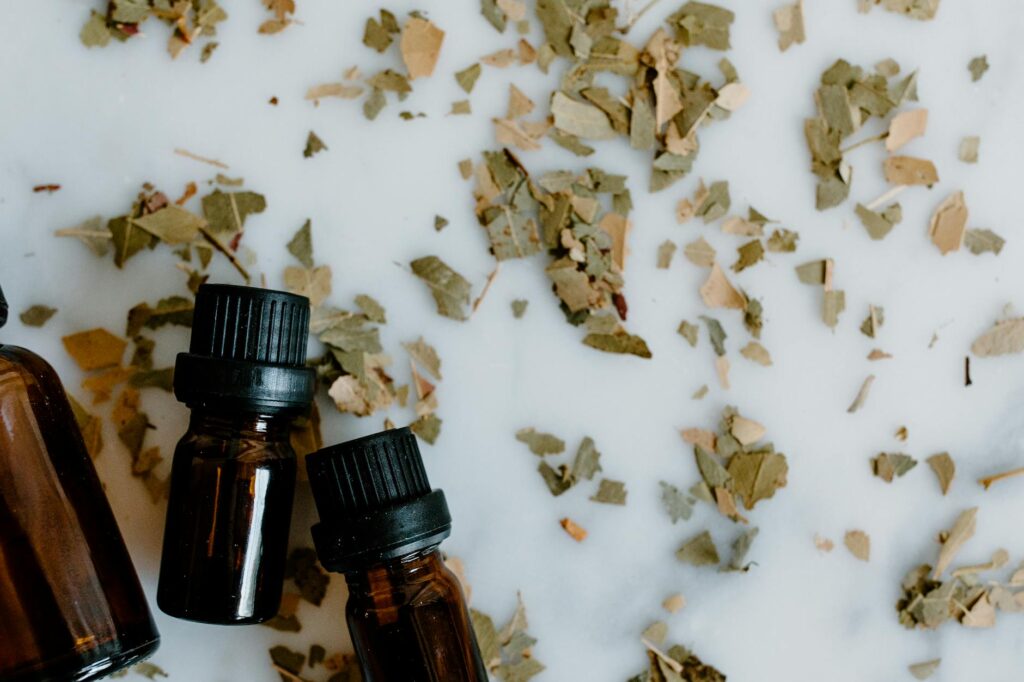
Aromatherapy Uses of Aromatherapy Blends for Mood Regulation
Introduction
Aromatherapy, the practice of using essential oils extracted from plants for therapeutic benefits, has gained significant attention in recent years for its potential to enhance emotional and psychological well-being. Among the myriad applications of essential oils, the use of aromatherapy blends for mood regulation stands out for its versatility and ease of use. This article delves into the various aspects of aromatherapy blends specifically tailored to regulate mood, exploring their benefits, applications, and safety considerations.
What Are Aromatherapy Blends for Mood Regulation?
Aromatherapy blends are combinations of different essential oils, formulated to target specific emotional states or promote overall well-being. For mood regulation, these blends typically include oils known for their uplifting, calming, or balancing properties. The synergistic effect of combining various essential oils can enhance their individual benefits, creating a more potent mix that can positively influence emotional health.
Common essential oils used in mood-regulating blends include lavender, bergamot, ylang-ylang, frankincense, and citrus oils, among others. Each oil carries its own unique properties and aroma, contributing to a blend’s overall effect.
Key Benefits and Properties
Emotional Well-Being
One of the primary benefits of aromatherapy blends for mood regulation is their ability to foster emotional well-being. Essential oils can stimulate the limbic system, the part of the brain that controls emotions, thus influencing mood and feelings of stress or anxiety.
Stress Reduction
Many essential oils possess calming properties that can help alleviate stress. Oils like chamomile and lavender are renowned for their ability to induce relaxation, making them popular choices in mood-regulating blends.
Enhanced Focus and Clarity
Certain essential oils, such as rosemary and peppermint, can promote mental clarity and focus. Incorporating these oils into mood-regulating blends can help counter feelings of lethargy or confusion, providing an uplifting effect.
Improved Sleep Quality
Aromatherapy blends formulated with sedative oils can aid those struggling with sleep disturbances. Oils like vetiver and sandalwood create a calming environment conducive to restful sleep.
Common Uses
Diffusion
One of the most popular methods for experiencing the benefits of aromatherapy blends is through diffusion. Using an essential oil diffuser, users can disperse the aromatic compounds into the air, allowing for easy inhalation. This method is effective for creating an uplifting atmosphere in homes, offices, or therapeutic settings.
Topical Application
Blending essential oils with a carrier oil (such as jojoba or coconut oil) allows for topical application. Applying these blends to pulse points, such as wrists or behind the ears, can provide a localized effect. This method is particularly beneficial for those seeking immediate relief from stress or anxiety.
Bath Soaks
Adding aromatherapy blends to bathwater can transform a simple bath into a rejuvenating experience. The warm water helps release the oils’ aromatic properties, creating a soothing atmosphere that promotes relaxation and emotional balance.
Inhalation
Inhaling essential oils directly from the bottle or a personal inhaler is another effective way to experience their benefits. This method allows for quick relief in moments of heightened emotional distress.
Aromatherapy Applications
Blending Techniques
Creating effective aromatherapy blends involves understanding the properties of each essential oil. A general guideline is to use a combination of top, middle, and base notes:
- Top Notes: These oils are the first to be perceived and often have uplifting properties. Examples include citrus oils like lemon and grapefruit.
- Middle Notes: These oils form the body of the blend and add depth. Lavender and geranium are popular middle notes known for their balancing effects.
- Base Notes: These oils provide grounding and long-lasting effects. Oils like cedarwood and patchouli fall into this category.
Sample Blends
1. Uplifting Blend: Combine 3 drops of lemon, 2 drops of bergamot, and 2 drops of peppermint in a diffuser to create a refreshing atmosphere ideal for boosting energy and mood.
2. Calming Blend: Mix 4 drops of lavender, 3 drops of chamomile, and 2 drops of ylang-ylang in a carrier oil for a soothing topical application.
3. Focus Blend: Blend 3 drops of rosemary, 2 drops of peppermint, and 2 drops of sweet orange in a diffuser to enhance mental clarity and concentration.
Safety Considerations
While aromatherapy is generally regarded as safe, certain precautions should be taken:
Skin Sensitivity
Some individuals may experience allergic reactions or skin irritations when using essential oils. It is advisable to perform a patch test before applying any new blend to the skin. Diluting essential oils with a suitable carrier oil can also minimize the risk of irritation.
Pregnancy and Breastfeeding
Certain essential oils may not be suitable for use during pregnancy or breastfeeding. Pregnant individuals should consult a healthcare provider before using any essential oils.
Children and Pets
When using aromatherapy blends around children or pets, caution is warranted. Some essential oils can be toxic to animals, and certain oils may not be safe for young children. Consulting a qualified aromatherapy practitioner can provide guidance in these cases.
Quality of Oils
The quality of essential oils can vary significantly between brands. It is critical to purchase oils from reputable sources that provide pure, therapeutic-grade oils. This ensures the efficacy and safety of the blends used.
Storage and Shelf Life
Proper storage of essential oils is essential to maintain their integrity and effectiveness. Essential oils should be stored in dark glass bottles, away from direct sunlight and heat. A cool, dry place is ideal for prolonging their shelf life.
Typically, essential oils can last from 1 to 5 years, depending on the type of oil. Citrus oils tend to have a shorter shelf life, while oils like patchouli and sandalwood can improve with age. Always check for changes in color, aroma, or consistency, as these may indicate that the oil has degraded.
Frequently Asked Questions
1. Can aromatherapy blends replace medication for mood disorders?
Aromatherapy is not a substitute for professional medical treatment. While some individuals find relief through the use of essential oils, those experiencing mood disorders should consult a healthcare professional for appropriate treatment options.
2. How can I find the right blend for my mood?
Experimenting with various essential oils and blends can help identify what works best for you. Keeping a journal to track your responses to different oils may provide insights into which blends are most effective for your emotional state.
3. Are there any essential oils to avoid?
Some essential oils may cause allergic reactions or irritations. Common oils to approach with caution include cinnamon, clove, and oregano. Always perform a patch test and consult a qualified practitioner if you have concerns.
4. How often can I use aromatherapy blends?
The frequency of use can vary depending on individual preferences and the specific blend. Generally, using aromatherapy blends daily or as needed can help maintain emotional balance, but it is wise to listen to your body and adjust accordingly.
5. Can I create my own blends?
Yes, creating personal blends is one of the joys of aromatherapy. Start by researching the properties of various essential oils and experiment with different combinations to find what resonates with you.
Conclusion
Aromatherapy blends for mood regulation offer a fascinating and holistic approach to enhancing emotional well-being. By understanding the properties and applications of various essential oils, individuals can create personalized blends that suit their needs. Whether through diffusion, topical application, or bathing rituals, the benefits of aromatherapy can enrich lives, fostering a balanced emotional state. However, it is crucial to remain informed about safety considerations and consult professionals when necessary, ensuring a safe and effective aromatherapy experience.