
Aromatherapy Uses of Aromatherapy Blends for Post-Surgery Recovery
Introduction
Aromatherapy, an ancient practice that utilizes the therapeutic properties of essential oils, has gained increasing recognition in modern wellness and recovery practices. Among its many applications, one area of interest is its potential role in post-surgery recovery. This article explores the concept of aromatherapy blends specifically designed for individuals recovering from surgical procedures, delving into their benefits, applications, and safety considerations.
What Is Aromatherapy Blends for Post-Surgery Recovery?
Aromatherapy blends for post-surgery recovery are carefully formulated combinations of essential oils that aim to support the body and mind during the healing process following surgery. These blends may encompass a variety of oils, each selected for its unique properties that promote physical and emotional well-being. The goal of these blends is to aid in alleviating discomfort, reducing anxiety, and fostering an environment conducive to healing.
Essential oils are extracted from various parts of plants, including flowers, leaves, stems, and roots. Each oil possesses distinct therapeutic properties due to its chemical composition, which can influence the body and mind in various ways.
Key Benefits and Properties
The essential oils commonly used in post-surgery aromatherapy blends are chosen for their specific benefits:
1. Pain Relief
Certain essential oils, such as lavender and peppermint, have analgesic properties that may help in reducing pain and discomfort. These oils can act on receptors in the brain, providing a sense of relief.
2. Anxiety Reduction
Post-surgery recovery can often be accompanied by feelings of anxiety and stress. Oils like chamomile and bergamot are known for their calming effects, which can help soothe the mind and promote relaxation.
3. Anti-inflammatory Effects
Essential oils such as eucalyptus and ginger can have anti-inflammatory properties, potentially assisting in reducing swelling and promoting circulation around the surgical site.
4. Enhanced Sleep Quality
Sleep is crucial for recovery, and essential oils like cedarwood and frankincense may help improve sleep quality by promoting relaxation and reducing insomnia-related symptoms.
5. Immune Support
Certain essential oils, such as tea tree oil and lemon, possess antimicrobial properties that may support the immune system, helping to protect the body from infections during the healing process.
Common Uses
Aromatherapy blends can be utilized in various ways to support post-surgery recovery:
1. Inhalation
Inhalation of essential oils can be achieved through diffusers, steam inhalation, or simply by adding a few drops of oil to a tissue. This method allows for quick absorption into the bloodstream and immediate effects on mood and pain perception.
2. Topical Application
Diluted essential oils can be applied to the skin, particularly around the area of surgery, to provide localized relief. A carrier oil, such as coconut or jojoba oil, is often used to dilute essential oils to prevent skin irritation.
3. Bath Soaks
Adding essential oils to a warm bath can create a soothing and therapeutic experience. This method can promote relaxation and provide muscle relief while also nourishing the skin.
4. Massage
Incorporating aromatherapy blends into massage can enhance the benefits of both the essential oils and the physical manipulation of tissues. This approach can help alleviate tension and promote circulation.
Aromatherapy Applications
When using aromatherapy blends for post-surgery recovery, it is essential to consider the method of application that best suits individual needs and comfort levels. Here are some specific applications:
1. Diffusion
Using an essential oil diffuser can fill a room with aromatic compounds, creating a calming environment. This method is particularly beneficial for anxiety reduction and relaxation.
2. Compresses
A warm or cold compress infused with essential oils can be applied to the surgical site to aid in pain relief and reduce inflammation.
3. Inhaler Sticks
Portable inhaler sticks can be filled with a blend of essential oils for on-the-go relief from anxiety or discomfort. These small devices provide a convenient way to access the therapeutic benefits of aromatherapy.
4. Pillow Sprays
Creating a pillow spray with calming essential oils can help improve sleep quality by promoting relaxation and reducing nighttime anxiety.
Safety Considerations
While aromatherapy offers numerous benefits, it is essential to approach its use with caution, particularly in post-surgery recovery:
1. Dilution
Essential oils are highly concentrated and should always be diluted with a carrier oil before topical application. A typical dilution ratio is 2–3 drops of essential oil per teaspoon of carrier oil.
2. Allergies and Sensitivities
Individuals should perform a patch test before applying any essential oil to the skin to check for allergic reactions. If irritation occurs, discontinue use immediately.
3. Consultation with Healthcare Providers
Consulting with healthcare providers before incorporating aromatherapy into a post-surgery recovery plan is crucial. They can provide guidance on which oils are safe and appropriate for individual circumstances.
4. Avoiding Certain Oils
Some essential oils may not be suitable for individuals recovering from surgery, particularly those that are stimulating or have blood-thinning properties. Pregnant or nursing individuals should also exercise caution with essential oil use.
Storage and Shelf Life
Proper storage of essential oils is essential to maintain their potency and effectiveness. Here are some tips:
1. Keep Away from Light
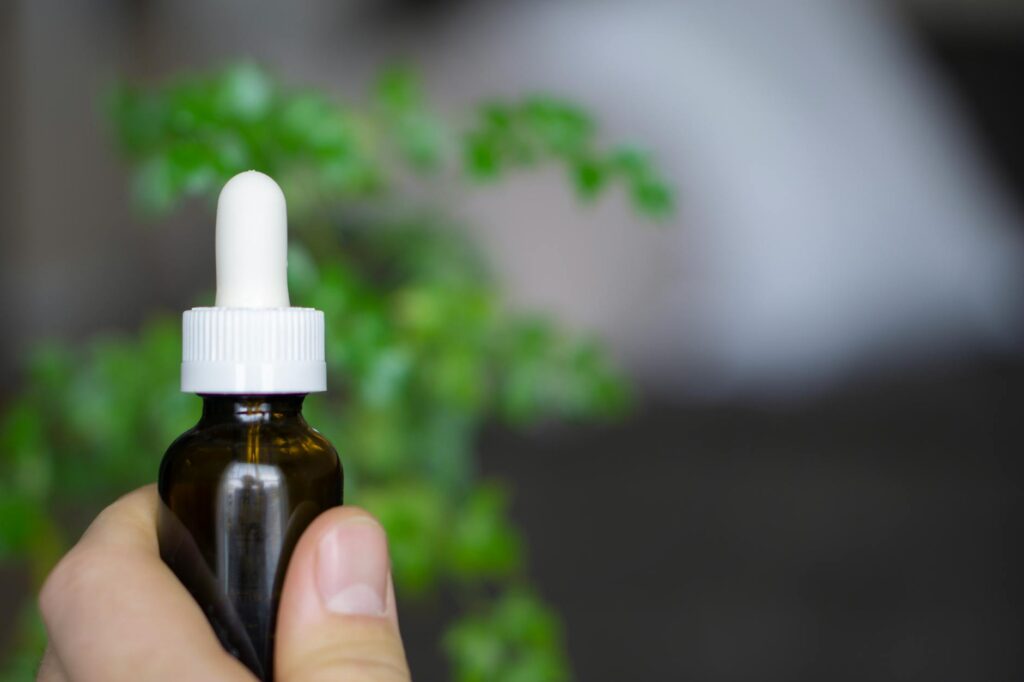
Essential oils should be stored in dark glass bottles to protect them from light, which can degrade their quality.
2. Store in a Cool, Dry Place
Heat and humidity can also affect the shelf life of essential oils. A cool, dry environment is ideal for storage.
3. Shelf Life
The shelf life of essential oils varies, but most can last anywhere from 1 to 5 years when stored correctly. Always check for changes in scent or consistency as indicators of oil deterioration.
Frequently Asked Questions
1. Can aromatherapy replace traditional medical treatment?
Aromatherapy should be viewed as a complementary approach rather than a replacement for conventional medical treatments. It is essential to follow medical advice and guidelines during post-surgery recovery.
2. Are there any essential oils to avoid during recovery?
Certain essential oils, such as those derived from herbs like rosemary and sage, may not be recommended for individuals recovering from surgery due to their stimulating properties. Always consult with a healthcare provider.
3. How often can I use aromatherapy blends?
The frequency of use can vary depending on individual preferences and the specific oils used. Generally, it is safe to use aromatherapy blends multiple times a day, as long as they are properly diluted and well-tolerated.
4. Can children or elderly individuals use aromatherapy?
Yes, but caution is advised. Essential oils should be appropriately diluted for children and elderly individuals, and specific oils should be chosen based on their age and health conditions. Consultation with a healthcare provider is recommended.
5. Where can I purchase quality essential oils?
Quality essential oils can be found in health food stores, specialty wellness shops, and reputable online retailers. Look for oils that are labeled as 100% pure and therapeutic grade.
Conclusion
Aromatherapy blends can offer a holistic approach to post-surgery recovery, presenting potential benefits for both physical and emotional well-being. As individuals navigate their healing journeys, the integration of essential oils may provide a supportive and comforting experience. However, it is vital to prioritize safety and consult with healthcare professionals to ensure a comprehensive recovery plan.