
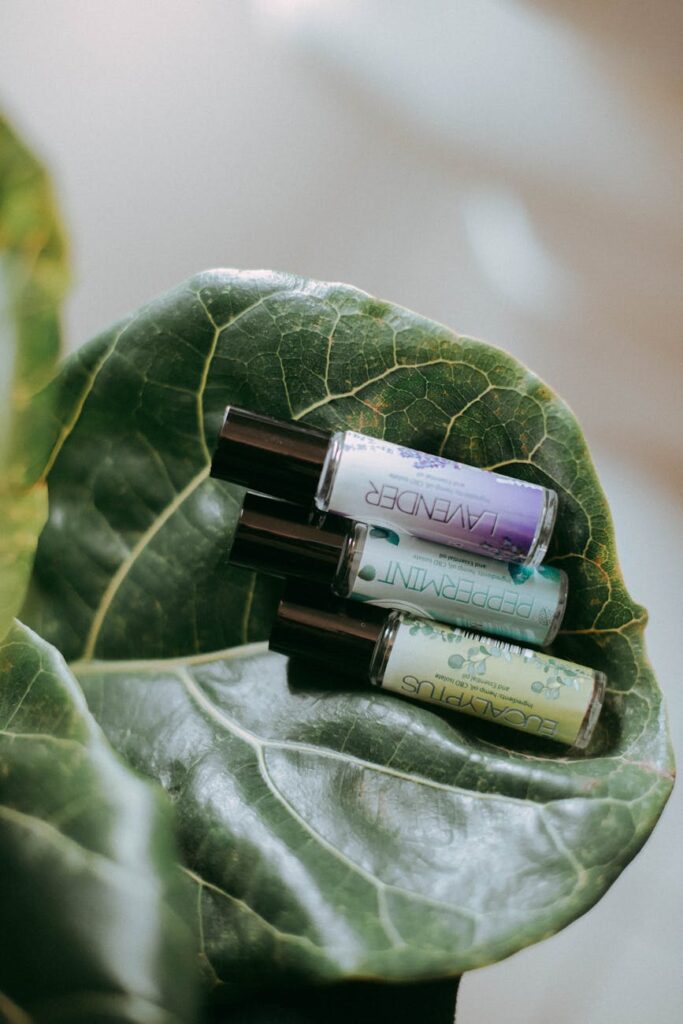
Aromatherapy Uses of Aromatherapy Blends for Relaxation and Calmness
Introduction
In our fast-paced modern world, stress and anxiety have become prevalent issues affecting mental and physical well-being. Aromatherapy, the practice of using essential oils derived from plants to promote health and well-being, offers a natural approach to achieving relaxation and calmness. Among its various applications, aromatherapy blends specifically designed for relaxation have gained popularity for their soothing effects. This article explores the concept of aromatherapy blends for relaxation, their benefits, common uses, applications, safety considerations, and storage practices.
What Are Aromatherapy Blends for Relaxation and Calmness?
Aromatherapy blends for relaxation are carefully crafted combinations of essential oils that possess calming properties. These blends typically include oils known for their sedative, soothing, or uplifting effects. The synergy created by blending different oils can enhance their individual properties, resulting in a more powerful effect. Common essential oils used in relaxation blends include lavender, chamomile, bergamot, ylang-ylang, and frankincense.
Composition of Relaxation Blends
The composition of these blends can vary significantly based on the desired outcome. While some blends may focus on stress relief, others might aim to promote better sleep or alleviate anxiety. The creation of these blends often involves both art and science, requiring knowledge of the properties of various essential oils, their compatibility, and the desired aromatic profile.
Key Benefits and Properties
The benefits of aromatherapy blends for relaxation and calmness are multifaceted, encompassing emotional, psychological, and physical aspects. Some of the key properties include:
1. Stress Reduction
Essential oils like lavender and chamomile are renowned for their ability to reduce stress and promote a sense of tranquility. Inhaling these scents can trigger a relaxation response in the body, helping to alleviate feelings of tension.
2. Improved Sleep Quality
Certain blends formulated with sedative oils can help individuals achieve better sleep quality. Ingredients such as valerian root and sweet marjoram are often included in sleep-promoting blends.
3. Enhanced Mood
Many essential oils have uplifting properties that can positively influence mood. Citrus oils like bergamot and sweet orange are often used to create a sense of happiness and well-being.
4. Mental Clarity and Focus
While relaxation is the primary goal, some blends can also enhance mental clarity and focus. Oils such as rosemary and peppermint are known for their ability to invigorate the mind while promoting calmness.
5. Physical Relaxation
Certain essential oils can aid in relieving muscle tension and discomfort, contributing to overall physical relaxation. Oils like marjoram and ginger can be beneficial for soothing sore muscles.
Common Uses
Aromatherapy blends for relaxation can be utilized in various settings and situations. Some of the most common uses include:
1. Diffusion
Using an essential oil diffuser is one of the most popular methods for dispersing aromatherapy blends into the air. This method allows the calming scents to envelop a space, making it an ideal choice for homes, offices, or therapeutic settings.
2. Topical Application
Diluting essential oils in a carrier oil can create a relaxing blend suitable for topical application. Massaging these oils into the skin can enhance the calming effects and promote relaxation throughout the body.
3. Bathing
Adding aromatherapy blends to bathwater can create a tranquil and soothing experience. The warmth of the water combined with the aromatic oils can help ease tension and promote relaxation.
4. Pillow Sprays
Creating a pillow spray with calming essential oils can aid in promoting better sleep. Spraying the blend on pillows or bedding before sleep can create a peaceful sleeping environment.
5. Meditation and Yoga
Incorporating aromatherapy blends into meditation or yoga practices can heighten the experience. The calming scents can help create a serene atmosphere, enhancing focus and mindfulness.
Aromatherapy Applications
Different methods of application allow individuals to tailor their aromatherapy experience to their preferences. Common applications include:
1. Aromatherapy Diffusers
Electric or candle diffusers can disperse essential oils throughout a room. For optimal relaxation, consider using blends with soothing scents such as lavender and frankincense.
2. Massage
Using relaxation blends in massage therapy can enhance the soothing effects of the treatment. Always remember to dilute essential oils with a carrier oil, such as sweet almond or jojoba oil, before applying to the skin.
3. Inhalation
Inhaling essential oils directly from the bottle or through a cotton ball can provide immediate relaxation. This method is particularly effective for managing acute stress or anxiety.
4. Bathing Rituals
Creating a calming bath ritual by adding relaxation blends to warm water can be a luxurious way to unwind. Consider using a combination of Epsom salts and essential oils for added benefits.
Safety Considerations
While aromatherapy is generally safe for most individuals, it is essential to take certain precautions:
1. Dilution
Essential oils are highly concentrated substances and should always be diluted in a carrier oil before topical application to avoid skin irritation.
2. Allergies
Conduct a patch test before using any new essential oil blend to check for allergic reactions. Apply a small amount of diluted oil to a discreet area of skin and observe for any adverse reactions over 24 hours.
3. Pregnancy and Medical Conditions
Individuals who are pregnant, nursing, or have specific medical conditions should consult with a healthcare professional before using essential oils.
4. Quality of Oils
Choose high-quality, pure essential oils from reputable sources to ensure safety and efficacy. Synthetic or adulterated oils may not provide the desired benefits and could cause adverse reactions.
Storage and Shelf Life
Proper storage is crucial for maintaining the efficacy and quality of essential oils. Here are some guidelines:
1. Storage Conditions
Essential oils should be stored in a cool, dark place, away from direct sunlight. Exposure to light and heat can degrade the oils and diminish their therapeutic properties.
2. Containers
Use dark glass bottles to protect essential oils from light. Avoid plastic containers, as they can leach chemicals into the oils.
3. Shelf Life
The shelf life of essential oils can vary depending on the type of oil and storage conditions. Generally, most essential oils last between 1 to 3 years. However, citrus oils may have a shorter shelf life, while oils like patchouli and sandalwood can improve with age.
Frequently Asked Questions
1. Can I create my own relaxation blend?
Yes, creating your own relaxation blend can be a rewarding experience. Experiment with different essential oils known for their calming properties to find a combination that resonates with you.
2. How often can I use aromatherapy blends for relaxation?
Aromatherapy blends can be used daily, but it is essential to listen to your body and adjust the frequency based on your needs and preferences.
3. Are there any side effects associated with using essential oils?
Some individuals may experience skin irritation or allergic reactions to certain essential oils. It is advisable to conduct a patch test and consult a professional if you have concerns.
4. Can children use aromatherapy blends?
Aromatherapy can be safe for children when diluted appropriately and used under adult supervision. Always consult with a qualified professional for guidance on safe oils and dilution ratios for children.
5. What is the best way to experience relaxation with essential oils?
The best way to experience relaxation is through a combination of methods, such as diffusion, topical application, and creating a calming environment. Personal preferences will dictate the most effective approach for each individual.
Conclusion
Aromatherapy blends for relaxation offer a natural and effective avenue for achieving calmness and tranquility in our hectic lives. With a variety of oils available, individuals can create or choose blends that resonate with their unique needs. Understanding the benefits, applications, safety considerations, and proper storage of essential oils can enhance the aromatherapy experience. Whether utilized in a personal bath ritual, during meditation, or through diffusion, these blends can serve as valuable tools for promoting relaxation and well-being.