
Aromatherapy Uses of Aromatherapy Blends for Relaxation
Introduction
Aromatherapy is a holistic practice that employs the use of essential oils derived from plants to promote physical, emotional, and mental well-being. Among its many applications, one of the most sought-after uses is the creation of aromatherapy blends designed specifically for relaxation. These blends harness the therapeutic properties of various essential oils, offering a natural means to alleviate stress, reduce anxiety, and promote a state of calm. This article explores the essence of aromatherapy blends for relaxation, their benefits, applications, and safety considerations.
What Is Aromatherapy Blends for Relaxation?
Aromatherapy blends for relaxation are carefully formulated mixtures of essential oils that are specifically chosen for their calming and soothing properties. These blends can vary significantly, often combining oils from different plant sources to enhance their overall effect. Common essential oils used in relaxation blends include lavender, chamomile, bergamot, and frankincense, among others. Each oil contributes its unique profile of benefits, creating a multifaceted approach to relaxation.
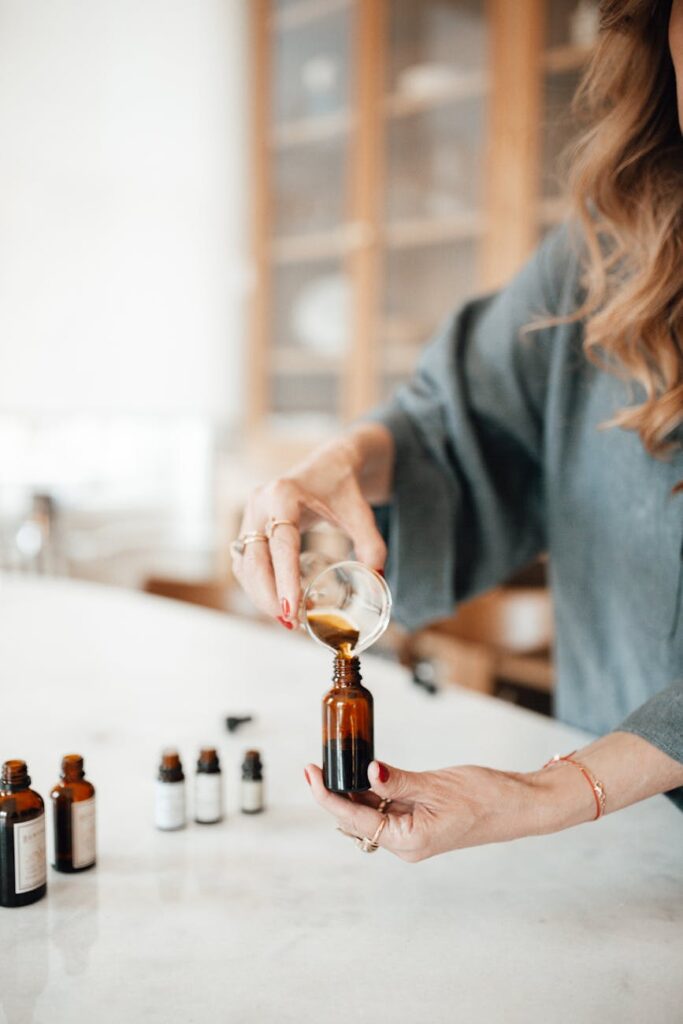
The process of creating an aromatherapy blend involves selecting complementary oils that work synergistically to amplify the desired effects. This practice not only enhances the aroma but also maximizes the therapeutic potential of the blend.
Key Benefits and Properties
Aromatherapy blends for relaxation offer a host of benefits that cater to both the mind and body. Some of the key properties and advantages include:
1. Stress Reduction
Many essential oils possess calming properties that can help alleviate feelings of stress and tension. For instance, lavender oil is widely recognized for its ability to promote relaxation and reduce anxiety levels.
2. Improved Sleep Quality
Certain aromatherapy blends can aid in promoting better sleep by calming the nervous system. Oils like chamomile and ylang-ylang are often included in sleep-inducing blends.
3. Mood Enhancement
The olfactory system is closely linked to emotional well-being. Aromatherapy can stimulate positive emotional responses, helping to uplift mood and reduce feelings of sadness or irritability.
4. Muscle Relaxation
Some essential oils have muscle-relaxing properties that can relieve physical tension. Incorporating these oils into a blend can provide both mental and physical relief.
5. Enhanced Focus and Clarity
While relaxation is a primary goal, certain blends may also promote mental clarity and focus, helping to clear the mind of distractions.
Common Uses
Aromatherapy blends for relaxation can be employed in various settings and situations, including:
1. Home Environment
Incorporating relaxation blends into home environments can create a calming atmosphere. Diffusers or oil burners can disperse the scents throughout a room, enhancing the ambiance of relaxation.
2. Massage Therapy
Blends can be used in conjunction with massage therapy, where the essential oils are diluted in a carrier oil and applied to the skin. This not only provides a soothing scent but also aids in muscle relaxation.
3. Bathing Rituals
Adding a few drops of a relaxation blend to a warm bath can transform the bathing experience into a spa-like retreat, promoting deep relaxation.
4. Meditation and Mindfulness Practices
Many individuals use aromatherapy during meditation or mindfulness exercises to enhance focus and create a serene environment conducive to relaxation.
5. Travel and Commuting
Portable aromatherapy inhalers or roll-ons can be used during travel or commuting to help manage stress and anxiety in potentially overwhelming situations.
Aromatherapy Applications
There are several methods to apply aromatherapy blends for relaxation, each tailored to different preferences and situations:
1. Diffusion
Diffusing essential oils with a diffuser is one of the most popular methods. The diffuser disperses the oils into the air, allowing for a gentle inhalation of the aroma.
2. Inhalation
Direct inhalation can be done by placing a few drops on a cotton ball or tissue and inhaling deeply. This method provides immediate access to the aromatic compounds.
3. Topical Application
When applying blends topically, it is crucial to dilute essential oils in a carrier oil (such as jojoba, sweet almond, or coconut oil) to avoid skin irritation. A typical dilution ratio is 2-3 drops of essential oil per teaspoon of carrier oil.
4. Bath Additive
For a relaxing bath experience, add several drops of a relaxation blend to bathwater. It is advisable to mix the oils with a dispersant, such as milk or a carrier oil, before adding to the water to prevent skin irritation.
5. Room Sprays
Creating a room spray by mixing essential oils with water and a solubilizer can provide a quick and easy way to infuse a space with calming aromas.
Safety Considerations
While aromatherapy is generally considered safe, it is essential to observe certain precautions to ensure a positive experience:
1. Skin Sensitivity
Before applying essential oils topically, perform a patch test to check for any allergic reactions. Some individuals may experience skin irritation, particularly with undiluted oils.
2. Pregnancy and Nursing
Certain essential oils are not recommended for use during pregnancy or while nursing. Always consult a knowledgeable aromatherapist or healthcare professional for guidance.
3. Children and Pets
Some essential oils can be toxic to pets, and others may not be suitable for children. Research and select oils that are safe for specific age groups or species.
4. Quality of Oils
Opt for high-quality, pure essential oils from reputable sources. Adulterated or synthetic fragrances may not provide the desired therapeutic benefits and can cause adverse reactions.
5. Consult Professionals
For individuals with underlying health conditions or those taking medications, it is advisable to consult with a qualified aromatherapist or healthcare provider before using essential oils.
Storage and Shelf Life
Proper storage of essential oils is crucial to maintain their potency and effectiveness. Follow these guidelines for optimal storage:
1. Dark Glass Containers
Store essential oils in dark glass bottles to protect them from light, which can degrade their quality over time.
2. Cool, Dry Place
Keep oils in a cool, dry area away from direct sunlight and heat sources. Excessive heat can alter the chemical composition of the oils.
3. Shelf Life
The shelf life of essential oils varies by type, but generally, they can last from 1 to 5 years. Citrus oils tend to have shorter shelf lives, while oils like patchouli or sandalwood may last longer.
Frequently Asked Questions
1. How do I choose the right relaxation blend?
Consider your personal preferences and desired outcomes. Research the properties of different essential oils and select those that resonate with you.
2. Can I make my own relaxation blend?
Yes, creating your own blend can be a fun and rewarding experience. Start with a base oil and add complementary oils in small increments until you achieve the desired scent.
3. How often should I use aromatherapy blends?
Usage can vary based on individual needs. Some may use blends daily, while others might reserve them for specific situations or times of stress.
4. Are there any contraindications for essential oils?
Yes, certain essential oils may not be suitable for individuals with specific health conditions, pregnant women, or children. Always conduct thorough research or seek professional advice.
5. Can aromatherapy replace traditional treatments?
Aromatherapy should not be viewed as a replacement for traditional medical treatments but rather as a complementary practice. Always consult a healthcare professional for medical concerns.
Conclusion
Aromatherapy blends for relaxation offer a natural, effective way to enhance well-being and promote a sense of calm. By understanding the properties and applications of various essential oils, individuals can create personalized blends that cater to their unique needs. As with any holistic practice, safety and knowledge are paramount; thus, proper research and guidance are essential for a positive aromatherapy experience. Whether for stress relief, improved sleep, or enhanced focus, aromatherapy provides a versatile toolkit for achieving relaxation in today’s fast-paced world.