
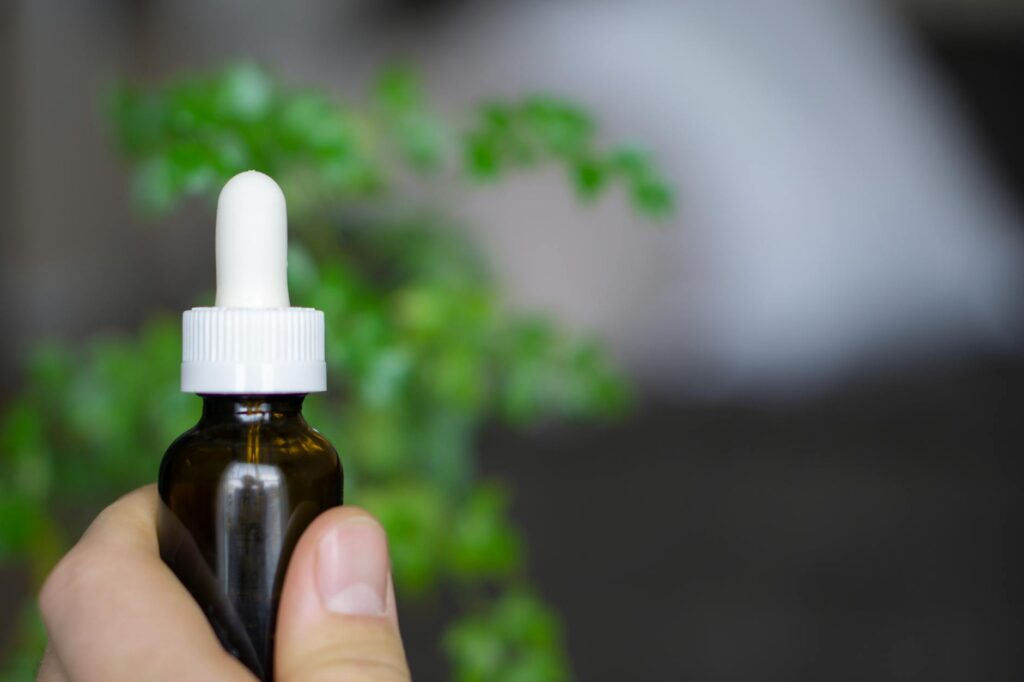
Aromatherapy Uses of Aromatherapy Blends for Seasonal Affective Disorder Support
Introduction
Seasonal Affective Disorder (SAD) is a type of depression that typically occurs during the fall and winter months when daylight hours are shorter. Individuals experiencing SAD may feel persistent sadness, fatigue, and a general lack of interest in activities they once enjoyed. While there are various treatment options available, many individuals seek complementary approaches to support their emotional well-being. Aromatherapy, the practice of using essential oils extracted from plants, offers a natural avenue that may help alleviate some symptoms associated with SAD. This article explores the essence of aromatherapy blends tailored for SAD support, their benefits, common uses, and safety considerations.
What Is Aromatherapy Blends for Seasonal Affective Disorder Support?
Aromatherapy blends are formulations that combine essential oils, each selected for its unique properties and potential effects. When it comes to supporting individuals dealing with Seasonal Affective Disorder, specific essential oils are often blended to create a synergistic effect that may uplift mood and promote emotional balance. These blends typically incorporate oils known for their invigorating, calming, or uplifting qualities, which can be particularly beneficial during the darker months of the year.
Key Benefits and Properties
The essential oils commonly used in aromatherapy blends for SAD support possess various properties that may contribute to emotional well-being:
1. Mood Enhancement: Oils like Bergamot, Sweet Orange, and Ylang Ylang are renowned for their uplifting qualities. They may help elevate mood and foster feelings of joy.
2. Stress Reduction: Lavender and Chamomile are known for their calming effects, which can help reduce anxiety and stress levels.
3. Energy Boosting: Peppermint and Eucalyptus are invigorating oils that can promote alertness and energy, countering feelings of fatigue often associated with SAD.
4. Emotional Balance: Frankincense and Sandalwood are believed to promote feelings of grounding and emotional stability, which can be beneficial for those experiencing mood swings.
5. Sleep Support: Oils like Cedarwood and Vetiver can promote restful sleep, a crucial aspect of maintaining emotional equilibrium.
Common Uses
Aromatherapy blends can be employed in various ways to support individuals dealing with SAD:
1. Diffusion: Using an essential oil diffuser allows the aromas to fill a room, creating a pleasant atmosphere conducive to relaxation and uplifting spirits.
2. Topical Application: Diluting essential oils in a carrier oil and applying them to pulse points (such as wrists or behind the ears) can provide a direct sensory experience.
3. Bathing: Adding a blend to a warm bath can create a soothing environment, allowing for relaxation and stress relief.
4. Inhalation: Inhaling the aroma directly from the bottle or from a cotton ball can deliver immediate effects, helpful during moments of low energy or increased anxiety.
5. Candles and Potpourri: Utilizing scented candles or potpourri infused with essential oils can enhance the ambiance of living spaces.
Aromatherapy Applications
To effectively harness the benefits of aromatherapy for Seasonal Affective Disorder, consider the following blends:
Uplifting Citrus Blend
- Ingredients: Bergamot, Sweet Orange, and Grapefruit
- Benefits: This blend may help elevate mood and create an atmosphere of joy and positivity.
- Ingredients: Lavender, Ylang Ylang, and Roman Chamomile
- Benefits: Known for their calming properties, these oils can help reduce anxiety and promote relaxation.
- Ingredients: Peppermint and Eucalyptus
- Benefits: This invigorating blend can help combat fatigue and enhance focus.
- Ingredients: Frankincense, Sandalwood, and Vetiver
- Benefits: These oils may help foster emotional balance and a sense of grounding.
- Ingredients: Lavender, Cedarwood, and Sweet Marjoram
- Benefits: Promotes restful sleep, essential for emotional well-being.
Calming Floral Blend
Energizing Mint Blend
Grounding Earthy Blend
Sleep Support Blend
To create a blend, it is essential to follow the proper dilution guidelines. A typical dilution ratio is 2-3% for topical applications, which translates to approximately 12-18 drops of essential oil per ounce of carrier oil.
Safety Considerations
While aromatherapy is generally considered safe for most individuals, it is essential to take certain precautions:
1. Dilution: Always dilute essential oils in a carrier oil before applying them to the skin to prevent irritation.
2. Patch Test: Conduct a patch test on a small area of skin to check for any allergic reactions before broader application.
3. Pregnancy and Nursing: Consult with a healthcare professional before using essential oils during pregnancy or while nursing.
4. Medical Conditions: Individuals with specific health conditions (such as asthma or epilepsy) should consult with a healthcare professional before using essential oils.
5. Quality of Oils: Use high-quality, pure essential oils from reputable sources to ensure safety and efficacy.
Storage and Shelf Life
Proper storage of essential oils is crucial to maintain their potency and effectiveness. Here are some guidelines:
1. Storage: Store essential oils in dark glass bottles away from direct sunlight, heat, and humidity. This helps to preserve their properties.
2. Shelf Life: The shelf life of essential oils varies by type. Generally, citrus oils have a shorter shelf life (1-2 years), while oils like Patchouli and Cedarwood can last for several years when stored correctly.
3. Expiration: Be mindful of the expiration date. If an oil develops an off smell or changes in color, it is best to discard it.
Frequently Asked Questions
Can aromatherapy completely cure Seasonal Affective Disorder?
Aromatherapy is a complementary approach and should not replace conventional treatments for SAD. It may support emotional well-being but should be used as part of a holistic strategy.
How often should I use aromatherapy for SAD support?
The frequency of use depends on individual preferences and needs. Some may find relief with daily use, while others may use it only during particularly challenging moments.
Are there specific essential oils to avoid for SAD?
While most essential oils are safe, some individuals may have sensitivities or allergies. It is essential to do thorough research and consider personal reactions.
Can children use aromatherapy blends for SAD?
While some essential oils can be safe for children, it is crucial to consult with a healthcare professional to determine suitable options and proper dilution ratios.
Is it safe to ingest essential oils?
Ingesting essential oils is not generally recommended unless under the guidance of a qualified healthcare professional, as some oils can be toxic when consumed.
Conclusion
Aromatherapy blends can serve as a valuable tool in supporting emotional well-being for individuals dealing with Seasonal Affective Disorder. By understanding the properties of various essential oils and how to effectively incorporate them into daily routines, individuals may find a sense of relief and balance during the darker months of the year. However, it is essential to approach aromatherapy as a complementary practice and seek guidance when necessary. As with any holistic practice, the journey toward emotional wellness is personal and may require exploration and experimentation to find what works best.