
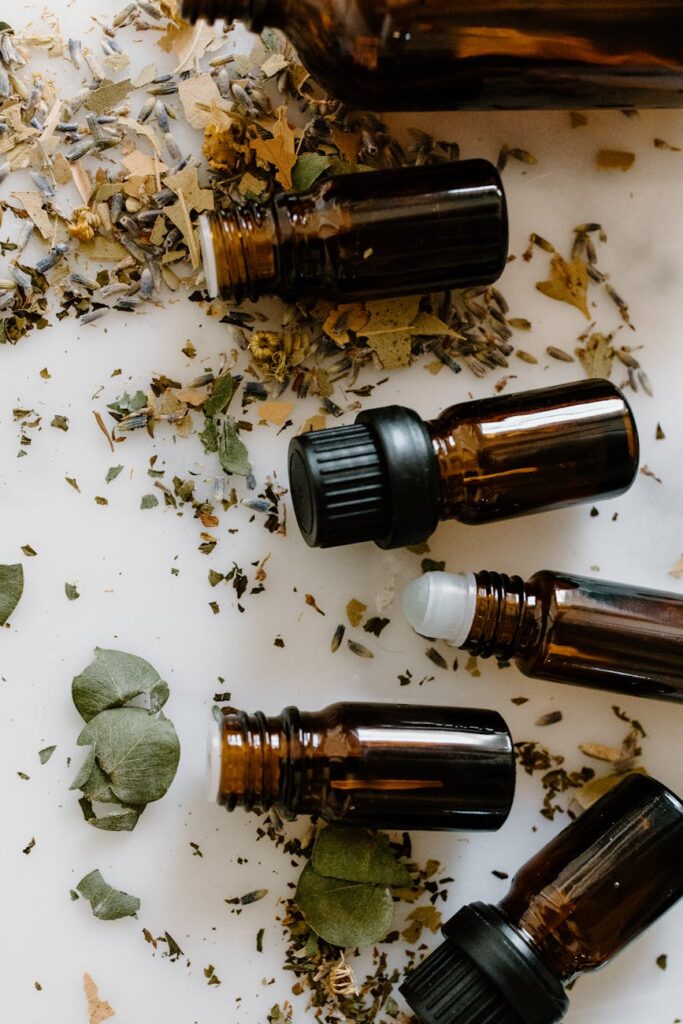
Aromatherapy Uses of Aromatherapy Blends for Seasonal Allergies
Introduction
Seasonal allergies, often referred to as hay fever or allergic rhinitis, can significantly impact quality of life. Symptoms such as sneezing, nasal congestion, and itchy eyes can be bothersome, especially during peak pollen seasons. While conventional treatments exist, many individuals seek natural alternatives to alleviate their discomfort. Aromatherapy, a holistic practice that utilizes essential oils, offers various blends that may help ease the symptoms of seasonal allergies. This article explores the nature of aromatherapy blends, their benefits, common uses, applications, safety considerations, and more.
What Is Aromatherapy Blends for Seasonal Allergies?
Aromatherapy blends for seasonal allergies involve the combination of specific essential oils known for their soothing and therapeutic properties. These blends may include oils derived from plants that possess anti-inflammatory, antihistamine, and decongestant qualities. The essential oils are typically extracted through distillation or cold pressing and can be used in various forms, such as diffusers, inhalers, or topical applications (when appropriately diluted).
Common essential oils used in these blends include eucalyptus, lavender, peppermint, and tea tree oil. Each of these oils has unique properties that may contribute to relieving allergy symptoms.
Key Benefits and Properties
The essential oils commonly used in aromatherapy blends for seasonal allergies possess a range of beneficial properties:
1. Anti-Inflammatory: Some essential oils, such as eucalyptus and lavender, have anti-inflammatory properties that may help reduce swelling and irritation in the nasal passages.
2. Antihistamine: Certain oils can act as natural antihistamines, potentially countering the histamine response that causes allergy symptoms. Essential oils like chamomile and peppermint may assist in this regard.
3. Decongestant: Eucalyptus and peppermint oils are known for their decongestant effects, helping to clear nasal passages and promote easier breathing.
4. Relaxation: Aromatherapy is also recognized for its ability to promote relaxation and reduce stress, which can be particularly beneficial during allergy seasons when symptoms can be exacerbated by anxiety.
5. Antimicrobial: Some essential oils, such as tea tree oil, have antimicrobial properties that may help in reducing the risk of secondary infections.
Common Uses
Aromatherapy blends for seasonal allergies can be used in various ways:
- Inhalation: Direct inhalation of the essential oils can provide immediate relief from nasal congestion and promote easier breathing.
- Diffusion: Using a diffuser allows essential oils to disperse in the air, filling the room with their therapeutic properties.
- Topical Application: When diluted with a carrier oil, some essential oils can be applied to areas such as the chest, temples, or wrists to provide localized relief.
- Baths: Adding essential oils to a warm bath can create a soothing environment while promoting relaxation.
- Steam Inhalation: This method involves adding essential oils to steaming water and inhaling the vapor, which can help clear nasal passages.
- Aromatic Bath: Adding a few drops of essential oils to bathwater can create a relaxing experience while potentially alleviating allergy symptoms.
Aromatherapy Applications
Inhalation Techniques
1. Direct Inhalation: Place a few drops of the chosen essential oil on a cotton ball or tissue and inhale deeply.
2. Personal Inhalers: These portable devices allow individuals to carry essential oils with them and inhale them as needed.
Diffusion Techniques
1. Essential Oil Diffuser: Use a diffuser to disperse the essential oils into the air, creating a calming atmosphere while easing allergy symptoms.
2. Nebulizing Diffuser: This type of diffuser does not require water and can provide a more concentrated aroma.
Topical Applications
1. Dilution: Essential oils should be diluted with a carrier oil (such as jojoba, almond, or coconut oil) before applying to the skin to prevent irritation.
2. Chest Rub: Create a chest rub by mixing essential oils with a carrier oil and applying it to the chest area for soothing effects.
Bathing
Steam Inhalation
1. Bowl Method: Add several drops of essential oil to a bowl of hot water, cover your head with a towel, and inhale the steam for relief.
2. Shower Method: Place essential oils on the shower floor or on a washcloth in the shower to enjoy the steam’s benefits.
Safety Considerations
While aromatherapy can be beneficial, it is essential to consider safety precautions:
1. Dilution: Always dilute essential oils in a carrier oil before applying to the skin to prevent irritation or allergic reactions.
2. Patch Test: Conduct a patch test by applying a small amount of diluted oil to a discreet area of skin to ensure no adverse reactions occur.
3. Pregnancy and Nursing: Consult with a health professional before using essential oils if pregnant or nursing.
4. Children and Pets: Some essential oils may not be suitable for children or pets. Research specific oils and consult a professional if unsure.
5. Quality of Oils: Use high-quality, pure essential oils from reputable sources to ensure safety and efficacy.
Storage and Shelf Life
Proper storage of essential oils is crucial to maintain their potency and effectiveness. Follow these guidelines:
1. Cool, Dark Place: Store essential oils in a cool, dark environment, away from direct sunlight and heat sources.
2. Sealed Containers: Keep oils in tightly sealed, dark glass bottles to protect them from oxidation.
3. Shelf Life: Essential oils have varying shelf lives. Most citrus oils last around one to two years, while oils like patchouli or cedarwood can last for many years if stored properly. Always check for signs of deterioration, such as changes in color or scent.
Frequently Asked Questions
1. Can aromatherapy completely eliminate seasonal allergies?
Aromatherapy may help alleviate some symptoms associated with seasonal allergies, but it is not a cure. Individuals should consult with healthcare professionals for comprehensive allergy management.
2. How do I know which essential oils to use for my allergies?
Common essential oils for seasonal allergies include eucalyptus, peppermint, lavender, and tea tree oil. The choice may depend on personal preferences and specific symptoms experienced.
3. Are there any side effects associated with using essential oils?
While generally considered safe, essential oils can cause allergic reactions or irritation in some individuals. Always perform a patch test and consult with a health professional if you have concerns.
4. How often can I use aromatherapy blends for seasonal allergies?
Frequency of use can vary based on individual needs and preferences. It is generally safe to use aromatherapy blends multiple times throughout the day, but moderation is advisable.
5. Can I use aromatherapy alongside other allergy treatments?
Many people find that aromatherapy can complement other treatments. However, it is essential to discuss any combined treatments with a healthcare provider to ensure safety and avoid interactions.
Conclusion
Aromatherapy blends for seasonal allergies offer a natural approach to managing symptoms associated with hay fever and allergic rhinitis. By utilizing the anti-inflammatory, antihistamine, and decongestant properties of various essential oils, individuals may find relief from their discomfort. Proper application, safety considerations, and storage practices are essential when incorporating these blends into daily routines. While aromatherapy can be a helpful adjunct in managing allergy symptoms, it is vital to approach it with an informed and cautious mindset.