
Aromatherapy Uses of Aromatherapy Blends for Seasonal Allergy Prevention
Introduction
Seasonal allergies, often triggered by pollen from trees, grasses, and weeds, can significantly impact the quality of life for many individuals. As the environment shifts with the changing seasons, so do the allergens that can provoke uncomfortable symptoms such as sneezing, nasal congestion, and itchy eyes. While conventional treatments are widely used, many individuals are turning to complementary approaches, including aromatherapy. This article explores the uses of aromatherapy blends for seasonal allergy prevention, providing a comprehensive overview of the subject.
What Is Aromatherapy Blends for Seasonal Allergy Prevention?
Aromatherapy is a holistic practice that utilizes essential oils derived from plants to enhance physical and emotional well-being. When it comes to seasonal allergies, specific essential oils can be blended to create synergistic effects aimed at alleviating symptoms and supporting the body’s natural defenses. These blends harness the therapeutic properties of various botanical extracts, which may help in reducing inflammation, promoting respiratory health, and enhancing relaxation.
Key Benefits and Properties
The essential oils commonly used in aromatherapy blends for seasonal allergy prevention possess various properties that can be beneficial in managing allergy symptoms:
1. Anti-inflammatory: Oils such as eucalyptus and lavender can help reduce inflammation in the respiratory tract, making breathing easier.
2. Antihistamine-like: Certain oils, like peppermint and chamomile, may act similarly to antihistamines, helping to minimize allergic reactions.
3. Expectorant: Oils like thyme and rosemary can aid in clearing mucus and congestion, promoting easier breathing.
4. Calming: Stress and anxiety can exacerbate allergy symptoms. Essential oils like bergamot and ylang-ylang can promote relaxation, helping to reduce the overall impact of allergies on mental well-being.
5. Antimicrobial: Some essential oils, such as tea tree and lemon, possess antimicrobial properties that can help purify the air and reduce the likelihood of respiratory infections during allergy seasons.
Common Uses
Aromatherapy blends for seasonal allergy prevention can be employed in various ways, depending on individual preferences and available resources. Here are some common uses:
1. Diffusion: Using an essential oil diffuser allows the therapeutic properties of the oils to disperse throughout a room. This method is particularly useful for creating a calming atmosphere while simultaneously benefiting respiratory health.
2. Topical Application: Diluting essential oils in a carrier oil and applying them to pulse points or the chest can provide localized relief. This method allows the oils to be absorbed into the skin and can be especially effective for congestion.
3. Inhalation: Direct inhalation of essential oils can provide immediate relief. A few drops of oil on a tissue or in the palms can be inhaled deeply, facilitating quick access to the beneficial properties.
4. Baths: Adding essential oils to a warm bath can create a soothing experience that helps alleviate stress while benefiting respiratory health.
5. Steam Inhalation: Inhaling steam infused with essential oils can help clear nasal passages and soothe irritated airways.
Aromatherapy Applications
When creating aromatherapy blends for seasonal allergy prevention, it’s essential to consider the specific oils and their properties. Below are some recommended essential oils and potential blends:
Recommended Essential Oils:
- Eucalyptus: Known for its cooling and decongesting properties.
- Lavender: Calming and anti-inflammatory.
- Peppermint: Provides a cooling sensation and supports clear breathing.
- Tea Tree: Antimicrobial and purifying.
- Lemon: Uplifting and cleansing.
- Chamomile: Soothing and anti-inflammatory.
- Thyme: Antimicrobial and expectorant.
- 3 drops eucalyptus
- 2 drops peppermint
- 1 drop lavender
- 2 drops chamomile
- 2 drops bergamot
- 1 drop lemon
- 3 drops tea tree
- 2 drops lavender
- 2 drops lemon
- Diffusion: Add the blend to a diffuser and let it disperse in the air.
- Topical: Mix with a carrier oil (like jojoba or sweet almond oil) in a 1:10 ratio before applying to the skin.
- Steam Inhalation: Add a few drops of the blend to a bowl of hot water, cover your head with a towel, and inhale deeply.
Sample Blends:
1. Respiratory Relief Blend:
2. Calming Allergy Blend:
3. Air Purifying Blend:
Application Methods:
Safety Considerations
While aromatherapy can provide numerous benefits, it is essential to approach its use with caution. Here are some key safety considerations:
1. Dilution: Always dilute essential oils before applying them to the skin to prevent irritation. A common dilution ratio is 1-2 drops of essential oil per teaspoon of carrier oil.
2. Patch Test: Conduct a patch test on a small area of skin to check for allergic reactions before applying widely.
3. Pregnancy and Nursing: Some essential oils may not be safe for use during pregnancy or breastfeeding. Consult with a qualified professional before use.
4. Children and Pets: Certain essential oils can be harmful to children and pets. Always research the safety of specific oils and consider using child-safe or pet-safe alternatives.
5. Quality of Oils: Use high-quality, therapeutic-grade essential oils to ensure safety and efficacy.
Storage and Shelf Life
Proper storage is crucial to maintaining the effectiveness of essential oils. Here are some guidelines:
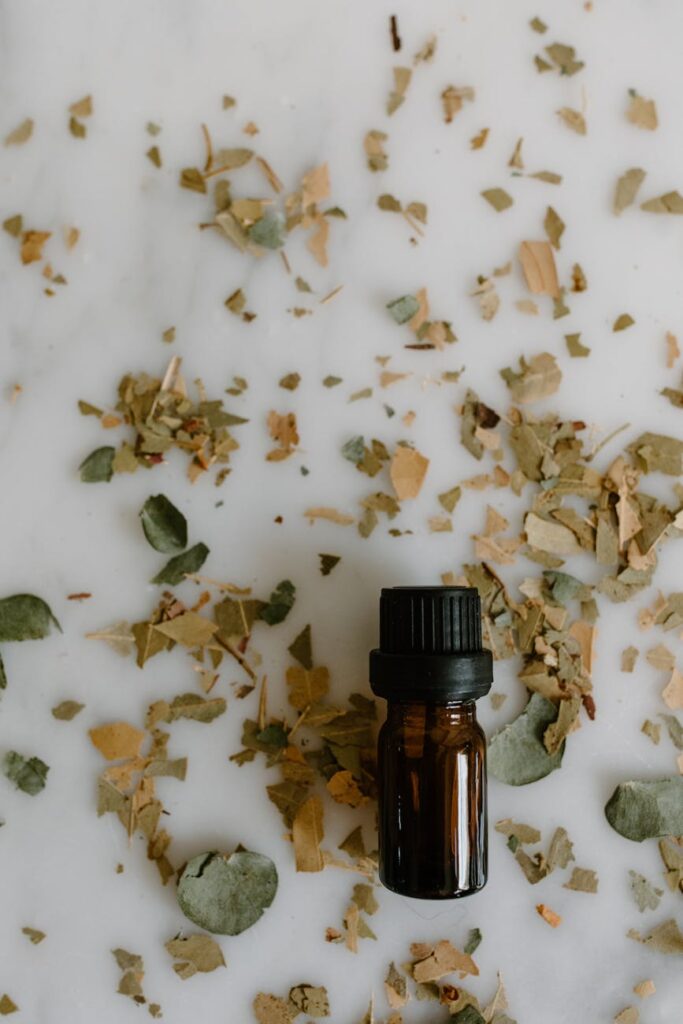
1. Container: Store essential oils in dark amber or cobalt blue glass bottles to protect them from light exposure.
2. Temperature: Keep oils in a cool, dry place away from direct sunlight and heat sources.
3. Shelf Life: Most essential oils have a shelf life of 1-5 years, depending on the type. Citrus oils tend to have a shorter shelf life, while oils like patchouli and sandalwood can improve with age.
Frequently Asked Questions
Can aromatherapy completely prevent seasonal allergies?
Aromatherapy can help alleviate symptoms and improve quality of life but should not be viewed as a sole preventive measure. It works best as part of a comprehensive approach to managing allergies.
How often can I use aromatherapy blends for seasonal allergies?
Aromatherapy blends can be used as needed, but it’s advisable to monitor your body’s response. If irritation or adverse reactions occur, discontinue use immediately.
Are there specific oils I should avoid if I have allergies?
While most essential oils are generally safe, individuals should avoid any oils they are allergic to or have had negative experiences with in the past.
Can I mix different essential oils together?
Yes, blending essential oils can enhance their therapeutic properties. However, it’s essential to ensure that the oils chosen complement each other and are safe for use.
Where can I find high-quality essential oils?
High-quality essential oils can be sourced from reputable suppliers, health food stores, and certified online retailers. Always check for third-party testing and purity guarantees.
Conclusion
Aromatherapy blends for seasonal allergy prevention offer a holistic approach to managing symptoms associated with seasonal allergies. By understanding the properties of various essential oils and their applications, individuals can create personalized blends that may enhance their well-being during allergy seasons. Always remember to prioritize safety and quality when using essential oils and consult with qualified professionals whenever necessary.