
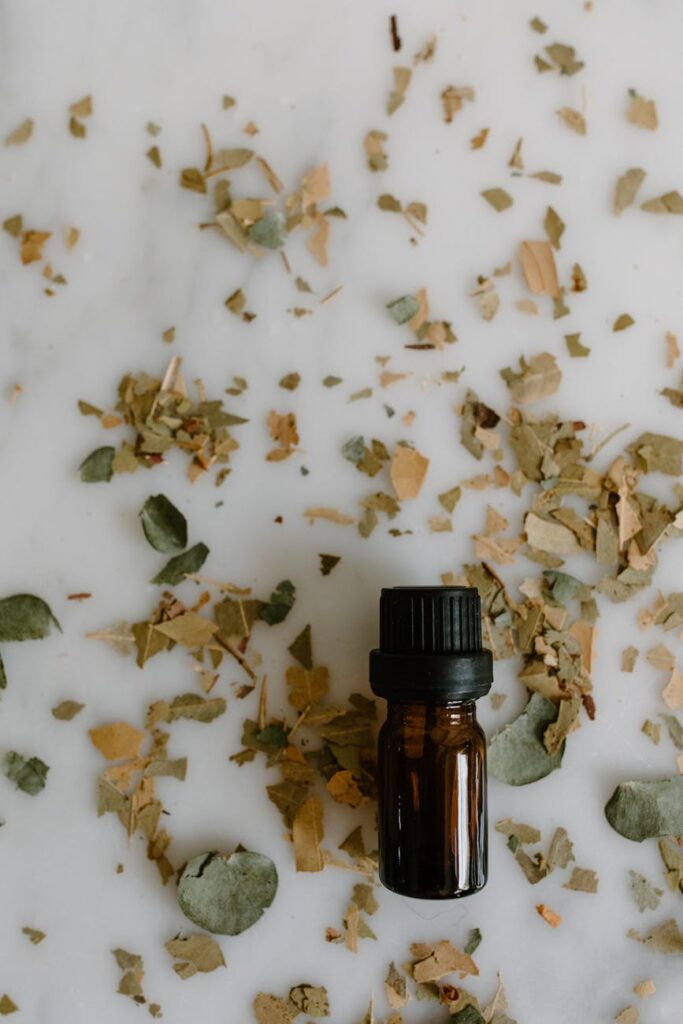
Aromatherapy Uses of Aromatherapy Blends for Seasonal Immune Boosting
Introduction
As the seasons change, so do our bodies’ needs. Seasonal transitions often bring about fluctuations in temperature, humidity, and exposure to allergens, which can affect our immune systems. Aromatherapy, the practice of using aromatic plant extracts to promote well-being, offers a natural approach to support immune health through carefully crafted essential oil blends. This article explores the fundamentals of aromatherapy blends specifically designed for seasonal immune boosting, outlining their benefits, applications, and safety considerations.
What Is Aromatherapy Blends for Seasonal Immune Boosting?
Aromatherapy blends for seasonal immune boosting refer to combinations of essential oils that are formulated to enhance the body’s natural defenses during times when it is particularly susceptible to illness. These blends typically incorporate oils known for their antimicrobial, antiviral, and immune-stimulating properties. The goal is to create an olfactory experience that not only elevates mood and reduces stress but also supports overall health.
Essential oils are derived from various parts of plants, including leaves, flowers, stems, and roots. Each oil possesses distinct properties that can influence physical and emotional well-being, making them valuable tools in holistic health practices.
Key Benefits and Properties
The essential oils commonly used in seasonal immune-boosting blends each have unique properties:
1. Antimicrobial Effects: Oils such as tea tree, eucalyptus, and thyme are known for their ability to combat bacteria and viruses, making them effective allies in immune support.
2. Anti-inflammatory Properties: Essential oils like lavender and chamomile can help reduce inflammation, which is often heightened during seasonal changes.
3. Stress Relief: Blends containing oils such as bergamot, ylang-ylang, and frankincense can promote relaxation and reduce anxiety, which is vital for maintaining a robust immune system.
4. Respiratory Support: Oils like peppermint and lemon can aid in clearing the respiratory tract, facilitating easier breathing, especially during allergy season.
5. Mood Enhancement: Aromatherapy can elevate mood and energy levels, helping individuals maintain a positive outlook during challenging seasonal shifts.
Common Uses
Aromatherapy blends for seasonal immune boosting can be employed in various contexts, including:
- Diffusion: Using an essential oil diffuser to disperse the blend into the air, allowing for inhalation of the beneficial compounds.
- Topical Application: Diluting essential oils in a carrier oil and applying them to pulse points, such as wrists and neck, for a more direct effect.
- Baths: Adding essential oils to a warm bath can provide both physical and emotional relaxation, enhancing the overall aromatherapy experience.
- Inhalation: Direct inhalation from the bottle or a cotton ball can deliver immediate benefits, particularly useful during acute seasonal challenges.
- 5 drops of tea tree oil
- 5 drops of eucalyptus oil
- 3 drops of lemon oil
- 3 drops of lavender oil
- 2 drops of peppermint oil
- 30 ml of carrier oil (e.g., sweet almond oil, jojoba oil)
- Ultrasonic Diffuser: This device uses water and ultrasonic waves to disperse a fine mist of essential oils into the air, providing a long-lasting aromatic experience.
- Nebulizing Diffuser: This type of diffuser does not use water; instead, it breaks down essential oils into smaller particles, delivering a more concentrated aroma.
- Reed Diffuser: A more passive method, where reeds absorb the oil and release the scent into the air over time.
- Pulse Points: Wrists, temples, and behind the ears.
- Chest and Throat: For respiratory support, applying a small amount of the blend can aid in easing discomfort.
- Feet: The soles of the feet have many nerve endings and absorb oils effectively.
- Dilution: Always dilute essential oils before topical application, especially for sensitive skin. A general guideline is to use 1–3% dilution (1-3 drops of essential oil per teaspoon of carrier oil).
- Patch Testing: Before using a new oil, perform a patch test on a small area of skin to check for any allergic reactions.
- Quality of Oils: Choose high-quality, pure essential oils from reputable sources to ensure safety and efficacy.
- Consultation: Those with existing medical conditions, pregnant or breastfeeding individuals, and children should consult a healthcare professional before using essential oils.
- Dark Glass Containers: Essential oils should be stored in dark glass bottles to protect them from light, which can degrade their quality.
- Cool, Dry Place: Keep oils away from heat sources and direct sunlight. A cool, dry cupboard is ideal.
- Shelf Life: Essential oils vary in shelf life, ranging from 1 to 7 years, depending on the oil. Citrus oils tend to have a shorter shelf life, while oils like sandalwood and patchouli can last longer.
Aromatherapy Applications
Creating Your Own Immune-Boosting Blend
While many pre-made blends are available, crafting a personalized blend allows for customization to meet individual preferences. Here’s a simple recipe for a seasonal immune-boosting blend:
Ingredients:
Instructions:
1. In a dark glass bottle, combine the essential oils.
2. Add the carrier oil and shake gently to mix.
3. Label the bottle with the date and ingredients.
Diffusion Techniques
To maximize the benefits of your aromatherapy blend, consider these diffusion techniques:
Topical Applications
When applying essential oils topically, it is crucial to dilute them with a carrier oil to avoid skin irritation. Common areas for application include:
Safety Considerations
While aromatherapy is generally considered safe, it is essential to follow certain guidelines:
Storage and Shelf Life
Proper storage is critical to maintaining the integrity of essential oils. Here are some tips for optimal storage:
Frequently Asked Questions
1. Can I use essential oils if I have allergies?
While many essential oils may help alleviate allergy symptoms, some individuals may experience sensitivity. It is advisable to consult a healthcare professional before use.
2. How often can I use my immune-boosting blend?
You can use your blend as needed, but it is wise to limit topical applications to 2-3 times a day to prevent overuse.
3. Are there any essential oils to avoid during pregnancy?
Certain essential oils, such as sage, rosemary, and peppermint, may not be recommended during pregnancy. It is best to consult with a healthcare provider for personalized advice.
4. Can I mix different essential oils together?
Yes, many essential oils blend well together. However, it is essential to consider their individual properties and potential interactions.
5. How do I know if an oil is pure?
Look for oils that are labeled as 100% pure essential oils, free from synthetic additives and fillers. Reading reviews and researching brands can also help in selecting high-quality oils.
Conclusion
Aromatherapy blends for seasonal immune boosting offer a holistic approach to supporting health during times of change. By understanding the properties and benefits of various essential oils, individuals can create personalized blends that meet their needs. With careful application and attention to safety considerations, these aromatic tools can enhance well-being and promote resilience throughout the seasons.