
Aromatherapy Uses of Aromatherapy Blends for Seasonal Immune Support
Introduction
As the seasons change, so do the challenges our immune systems face. Cold winters and pollen-filled springs can often lead to discomfort and fatigue, making it essential to support our bodies’ natural defenses. Aromatherapy blends designed for seasonal immune support harness the therapeutic properties of essential oils to promote well-being and resilience. This article explores the concept of aromatherapy blends, their key benefits, common uses, applications, safety considerations, and more.
What Is Aromatherapy Blends for Seasonal Immune Support?
Aromatherapy blends consist of carefully curated combinations of essential oils, each selected for their unique therapeutic properties. When blended, these oils can enhance each other’s effects, offering a synergistic approach to seasonal immune support. Essential oils can be extracted from various parts of plants, including leaves, flowers, bark, and roots, and are known for their aromatic and therapeutic qualities. Seasonal immune support blends typically contain oils that may help to boost the immune system, alleviate respiratory discomfort, and promote overall wellness.
Key Benefits and Properties
Immune System Support
Certain essential oils possess compounds that can stimulate the immune system. Oils such as Tea Tree and Eucalyptus are renowned for their potential antimicrobial properties, which may help the body fend off seasonal pathogens.
Respiratory Health
Blends containing Peppermint, Lemon, and Thyme may contribute to respiratory health by promoting clear airways and reducing congestion. These oils can provide a refreshing and invigorating aroma that supports easier breathing.
Stress Reduction
Seasonal changes can be stressful, and stress can negatively impact immune function. Essential oils like Lavender and Bergamot are known for their calming properties, which can promote relaxation and emotional balance, thereby indirectly supporting immune health.
Antioxidant Properties
Many essential oils are rich in antioxidants, which can help combat oxidative stress in the body. Oils like Rosemary and Frankincense may help protect cells and support overall health during the changing seasons.
Common Uses
Diffusion
One of the most popular methods of using aromatherapy blends is through diffusion. Adding a few drops of a seasonal immune support blend to a diffuser can fill the air with therapeutic aromas, creating an uplifting and soothing environment.
Inhalation
Direct inhalation is another effective way to use essential oils. Placing a few drops of the blend on a tissue or cotton ball and inhaling deeply can provide immediate relief and support.
Topical Application
Many essential oil blends can be diluted with a carrier oil and applied topically to pulse points or areas of discomfort. This method allows for localized benefits while ensuring that the aromatic properties can still be enjoyed.
Bathing
Adding a few drops of a seasonal immune support blend to a warm bath can create a relaxing and aromatic experience that also supports overall wellness.
Aromatherapy Applications
Blending Your Own Seasonal Immune Support Oil
Creating your own aromatherapy blend can be a rewarding experience. Here’s a simple recipe to get you started:
Ingredients:
- 5 drops of Tea Tree essential oil
- 5 drops of Eucalyptus essential oil
- 5 drops of Peppermint essential oil
- 5 drops of Lemon essential oil
- 2 tablespoons of a carrier oil (such as Sweet Almond or Jojoba oil)
- Cool and Dark Place: Store essential oils in a cool, dark place away from direct sunlight and heat.
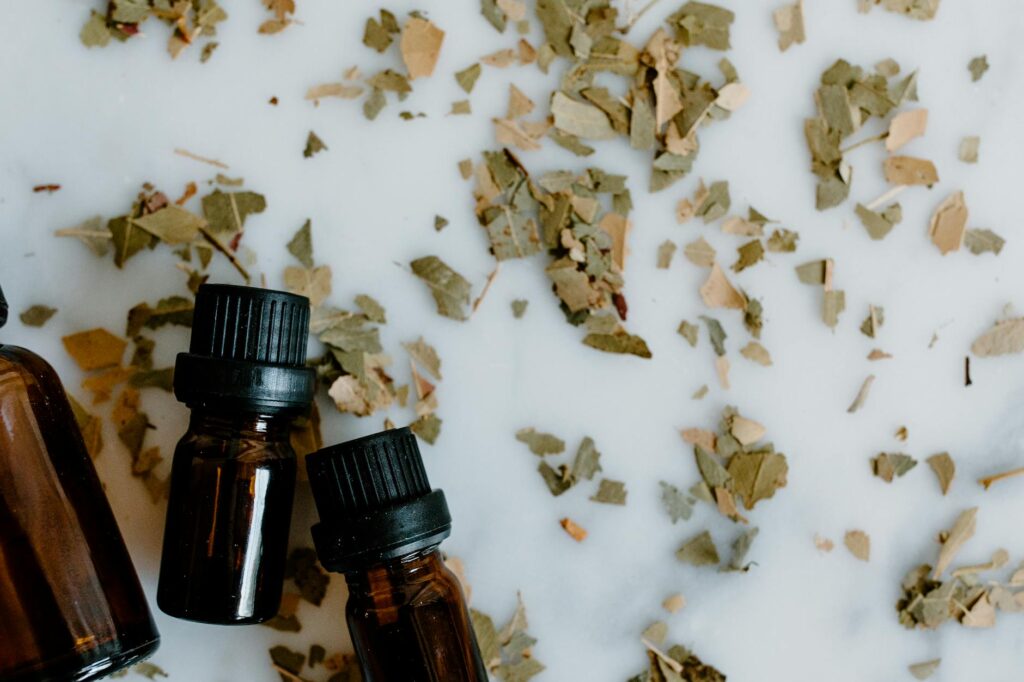
- Use Dark Glass Bottles: Essential oils should be kept in dark-colored glass bottles to protect them from light degradation.
- Tightly Sealed: Ensure that bottles are tightly sealed to prevent evaporation and contamination.
Instructions:
1. In a small glass bottle, combine the essential oils.
2. Add the carrier oil and gently swirl to mix.
3. Label the bottle with the date and ingredients.
4. Store in a cool, dark place.
Aromatherapy Roll-On
Creating a roll-on blend is convenient and allows for easy application. Use the recipe above but adjust the carrier oil to fill a 10ml roll-on bottle. Apply to pulse points as needed.
Inhaler Stick
Inhaler sticks are compact and travel-friendly. Combine 10-15 drops of your seasonal immune support blend with a few cotton wick pieces, and place them in an inhaler stick. Use as needed for on-the-go support.
Safety Considerations
While essential oils are natural, they can still pose risks if not used properly. Here are some essential safety tips:
Dilution
Always dilute essential oils with a carrier oil before applying them to the skin. This reduces the risk of irritation and sensitization.
Patch Testing
Before using a new blend, conduct a patch test by applying a small amount to a less sensitive area of skin. Wait 24 hours to check for any adverse reactions.
Pregnancy and Nursing
Certain essential oils may not be safe for use during pregnancy or while nursing. Consult with a qualified expert if you have concerns.
Consultation
If you have existing health conditions or are taking medications, consult with a healthcare professional before using essential oils.
Storage and Shelf Life
Proper storage of essential oils is crucial to maintain their potency and effectiveness. Here are some tips:
Storage Guidelines
Shelf Life
The shelf life of essential oils varies depending on the oil type. Generally, most essential oils can last anywhere from 1 to 5 years. However, citrus oils tend to have a shorter shelf life, often up to 2 years. Regularly check your oils for changes in scent or consistency, as these may indicate spoilage.
Frequently Asked Questions
Can I use essential oils if I have allergies?
It depends on the specific oil and your allergies. Some individuals may find relief with certain essential oils, while others may experience sensitivities. Always conduct a patch test and consult with a healthcare professional if you have concerns.
Are there any essential oils to avoid during pregnancy?
Yes, certain essential oils should be avoided during pregnancy, including Sage, Rosemary, and Pennyroyal. Always consult a healthcare provider before using essential oils when pregnant.
How do I know if an essential oil is pure?
Look for essential oils labeled as 100% pure or therapeutic grade. Avoid oils that contain synthetic fragrances or additives.
Can I use essential oils on children?
Some essential oils can be used on children, but they should be heavily diluted and chosen with care. It’s advisable to consult with a qualified aromatherapist or healthcare provider for guidance.
Conclusion
Aromatherapy blends for seasonal immune support can offer a holistic approach to wellness during times of seasonal change. By understanding the benefits, common uses, and safety considerations of these blends, individuals can incorporate essential oils into their daily routines to promote overall health and resilience. As always, approach aromatherapy with mindfulness and respect for the potency of nature’s offerings.