
Aromatherapy Uses of Aromatherapy Blends for Seasonal Immune System Support
Introduction
As the seasons change, so do the challenges our immune systems face. Factors such as fluctuating temperatures, increased exposure to allergens, and the prevalence of seasonal illnesses can all affect our well-being. Aromatherapy, the practice of using essential oils for therapeutic purposes, has gained popularity as a complementary approach to support immune health. This article explores the uses of aromatherapy blends specifically designed for seasonal immune system support, detailing their benefits, applications, and safety considerations.
What Is Aromatherapy Blends for Seasonal Immune System Support?
Aromatherapy blends for seasonal immune system support consist of carefully selected essential oils combined to enhance their individual properties. These blends aim to provide holistic support to the body’s defenses, particularly during transitional seasons when the immune system may be under additional stress. Commonly used essential oils in these blends include eucalyptus, tea tree, lemon, and lavender, among others. Each oil brings its unique characteristics, synergistically working together to bolster immune function and promote overall well-being.
Key Benefits and Properties
The essential oils used in aromatherapy blends for immune support possess a variety of beneficial properties:
1. Antimicrobial Properties: Many essential oils, such as tea tree and eucalyptus, have strong antimicrobial effects that may help protect against pathogens.
2. Anti-inflammatory Effects: Oils like lavender and chamomile can reduce inflammation, which is vital for maintaining a healthy immune response.
3. Expectorant Qualities: Certain oils promote the expulsion of mucus and other respiratory secretions, making them useful during times when seasonal allergies or colds are prevalent.
4. Mood Support: Aromatherapy can also support emotional well-being. Oils like bergamot and sweet orange may elevate mood and reduce stress, which is important for overall health.
5. Respiratory Support: Eucalyptus and peppermint oils can help open airways, making breathing easier during allergy season.
Common Uses
Aromatherapy blends for seasonal immune system support can be used in various ways:
- Diffusion: Adding a few drops of the blend to a diffuser allows the essential oils to disperse in the air, creating an aromatic environment that can enhance mood and support respiratory health.
- Topical Application: When diluted with a carrier oil, these blends can be applied to pulse points or the chest area for localized effects.
- Inhalation: Directly inhaling the oils from the bottle or a cotton ball can provide immediate relief and therapeutic benefits.
- Bath: Adding a few drops of essential oil blends to a warm bath can create a soothing experience while allowing the oils to be absorbed through the skin.
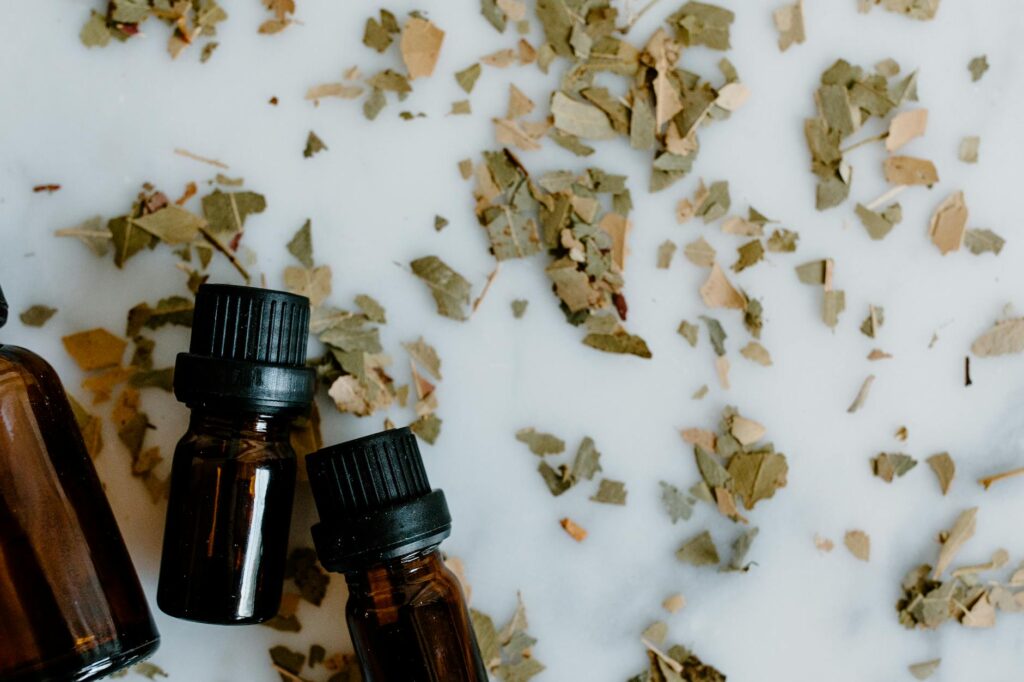
- Dark Glass Containers: Store essential oils in dark glass bottles to protect them from light, which can degrade their quality.
- Cool, Dry Place: Keep oils in a cool, dry environment, away from direct sunlight and heat sources.
- Tightly Sealed: Ensure that bottles are tightly sealed to prevent oxidation and evaporation.
Aromatherapy Applications
Diffusion
Using a diffuser is one of the most popular methods for employing aromatherapy blends. For seasonal immune support, consider creating a blend of eucalyptus, lemon, and tea tree oils. Diffuse this mix for 30-60 minutes at a time to fill the room with a refreshing and cleansing aroma.
Topical Application
To create a topical blend, mix essential oils with a carrier oil such as jojoba or sweet almond oil. A recommended ratio is 3-5 drops of essential oil per tablespoon of carrier oil. This blend can be massaged into the chest or applied to pulse points to facilitate respiratory support and emotional balance.
Inhalation
For a quick immune boost, place a few drops of a concentrated blend on a cotton ball or tissue and inhale deeply. This method is particularly useful during times of stress or when feeling under the weather.
Bath
To enjoy the benefits of aromatherapy while bathing, add a mixture of essential oils to your bathwater. Blend 5-10 drops of your chosen oils with an emulsifier like milk or honey to help disperse the oils in the water.
Safety Considerations
While aromatherapy is generally safe for many individuals, there are several important safety considerations to keep in mind:
1. Dilution: Always dilute essential oils in a carrier oil before applying them to the skin to prevent irritation.
2. Allergic Reactions: Conduct a patch test by applying a small amount of the diluted blend to a discreet area of skin to check for any adverse reactions.
3. Pregnancy and Nursing: Certain essential oils may not be suitable for pregnant or nursing individuals. It is advisable to consult with a healthcare provider before use.
4. Children and Pets: Some essential oils can be harmful to children and pets. Ensure you research and select oils that are safe for your specific situation.
5. Quality of Oils: Always choose high-quality, pure essential oils from reputable sources to ensure safety and effectiveness.
Storage and Shelf Life
Proper storage of essential oils is crucial to maintain their efficacy and shelf life. Here are some tips for storing aromatherapy blends:
The shelf life of essential oils varies, but most can last from 1 to 3 years if stored correctly. Citrus oils might have a shorter shelf life, while oils like sandalwood and patchouli can last longer.
Frequently Asked Questions
1. Can I create my own aromatherapy blends for immune support?
Yes, you can create your own blends by combining essential oils that have known immune-supporting properties. Start with a small number of oils, such as eucalyptus, lemon, and tea tree, and adjust ratios to suit your preference.
2. How often can I use aromatherapy blends?
The frequency of use depends on the method of application. Diffusing can be done several times a day, while topical applications should generally be limited to 1-3 times per day.
3. Are there any oils I should avoid during certain seasons?
Certain oils, particularly those derived from citrus fruits, may increase photosensitivity and should be used with caution if you plan to be in direct sunlight.
4. Can I use aromatherapy blends in my home?
Absolutely! Diffusing essential oil blends can enhance the atmosphere of your home, providing both aromatic enjoyment and potential health benefits.
5. Are there any interactions with medications I should be aware of?
While essential oils are generally safe, some may interact with medications. It is advisable to consult with a healthcare provider if you are taking medication or have specific health concerns.
Conclusion
Aromatherapy blends for seasonal immune system support offer a natural and holistic approach to enhancing well-being during transitional periods. By harnessing the properties of various essential oils, individuals can create personalized blends tailored to their preferences and needs. While aromatherapy should not replace conventional medical practices, it can serve as a valuable complementary method for supporting immune health. Always prioritize safety and consult with a healthcare professional when unsure about using essential oils, especially in special circumstances. Embrace the soothing and invigorating power of aromatherapy to navigate the seasonal changes with confidence and vitality.