
Aromatherapy Uses of Aromatherapy Blends for Seasonal Mood Improvement
Introduction
Aromatherapy, the practice of using essential oils to enhance physical, emotional, and spiritual well-being, has gained considerable popularity in recent years. One of its most appealing applications is in addressing seasonal mood fluctuations. Many individuals experience changes in mood due to seasonal transitions, often referred to as Seasonal Affective Disorder (SAD) or general seasonal blues. This article explores the use of aromatherapy blends specifically crafted to improve mood during these times, providing insights into their benefits, applications, and safety considerations.
What Is Aromatherapy Blends for Seasonal Mood Improvement?
Aromatherapy blends for seasonal mood improvement consist of carefully selected essential oils combined to promote emotional balance and upliftment. These blends typically focus on oils known for their mood-enhancing properties, creating synergistic effects that can help mitigate feelings of sadness, anxiety, or lethargy often associated with seasonal changes.
Common essential oils used in these blends include:
- Lavender: Known for its calming properties.
- Bergamot: A citrus oil that is uplifting and refreshing.
- Frankincense: Traditionally used for its grounding effects.
- Peppermint: Provides a stimulating and energizing scent.
- Sweet Orange: Associated with feelings of joy and happiness.
When blended together, these oils create a holistic approach to emotional well-being, making them particularly useful during times of the year when mood fluctuations are common.
Key Benefits and Properties
Aromatherapy blends for mood improvement offer a variety of benefits that can enhance overall emotional well-being. Some key benefits include:
1. Mood Enhancement: Many essential oils possess uplifting properties that can help elevate mood and reduce feelings of sadness or anxiety.
2. Stress Relief: Aromatherapy can reduce stress levels, promoting relaxation and a sense of calm, which can be particularly beneficial during busy or transitional seasons.
3. Increased Energy: Certain oils, like peppermint or citrus oils, can invigorate the mind and body, combating feelings of lethargy often experienced during the winter months.
4. Emotional Balance: A well-formulated blend can help stabilize emotions, providing support during times of change or uncertainty.
5. Enhanced Focus: Certain essential oils can support mental clarity and concentration, which can be beneficial for those feeling overwhelmed or distracted.
Common Uses
Aromatherapy blends for seasonal mood improvement can be utilized in various settings and for numerous purposes. Some common uses include:
1. Diffusion: One of the most popular methods, diffusing essential oils in a room can create an uplifting atmosphere, ideal for home or workplace environments.
2. Topical Application: Blending essential oils with a carrier oil allows for direct application to pulse points, enhancing mood and providing localized benefits.
3. Bathing: Adding essential oils to bathwater can create a soothing and relaxing experience, perfect for unwinding after a long day.
4. Inhalation: Simple inhalation of essential oils from the bottle or a cotton pad can provide immediate mood-lifting effects.
5. Personal Inhalers: Small inhalers containing blended oils can be carried for on-the-go use, providing quick access to mood-enhancing scents.
Aromatherapy Applications
1. Diffusion
Using an essential oil diffuser is one of the most effective ways to disperse the aromatic compounds into the air. Diffusers can be electric, ultrasonic, or even simple candle-based systems. For seasonal mood improvement, consider blending oils like bergamot, sweet orange, and frankincense. The diffusion process allows for a wide distribution of the essential oils, uplifting the atmosphere of an entire room.
2. Topical Application
When applying essential oils topically, it is essential to dilute them with a carrier oil, such as jojoba, coconut, or almond oil. A common ratio is 2-3 drops of essential oil per teaspoon of carrier oil. Pulse points, such as the wrists, temples, or behind the ears, are ideal for application. A blend of lavender and peppermint can provide calming yet invigorating effects when applied in this manner.
3. Bathing
Incorporating aromatherapy into bath time can be a soothing ritual. Add a few drops of your chosen blend to a carrier oil and mix it into warm bathwater. Oils such as lavender and chamomile can create a relaxing atmosphere, while citrus oils can invigorate the senses.
4. Inhalation
For a quick mood boost, direct inhalation can be highly effective. Simply open the bottle of your essential oil blend and take a few deep breaths. This method allows for immediate access to the aromatic compounds, providing a quick lift in mood.
5. Personal Inhalers
Personal inhalers are portable options that allow users to carry their favorite blends wherever they go. To create one, fill a small inhaler with cotton and add a few drops of your chosen essential oil blend. This method is discreet and convenient, making it easy to access mood-enhancing scents throughout the day.
Safety Considerations
While aromatherapy can be beneficial, it is essential to approach its use with care. Here are some safety considerations:
1. Dilution: Always dilute essential oils before topical application to avoid skin irritation.
2. Quality of Oils: Use high-quality, pure essential oils from reputable sources to ensure safety and effectiveness.
3. Allergic Reactions: Conduct a patch test before applying any blend to the skin, especially for those with sensitive skin or allergies.
4. Pregnancy and Nursing: Certain essential oils may not be safe for use during pregnancy or breastfeeding. Consult with a knowledgeable professional for guidance.
5. Medical Conditions: Individuals with specific medical conditions, such as epilepsy or asthma, should be cautious and consult a healthcare provider before use.
Storage and Shelf Life
Proper storage is crucial for maintaining the quality of essential oils. Here are some tips:
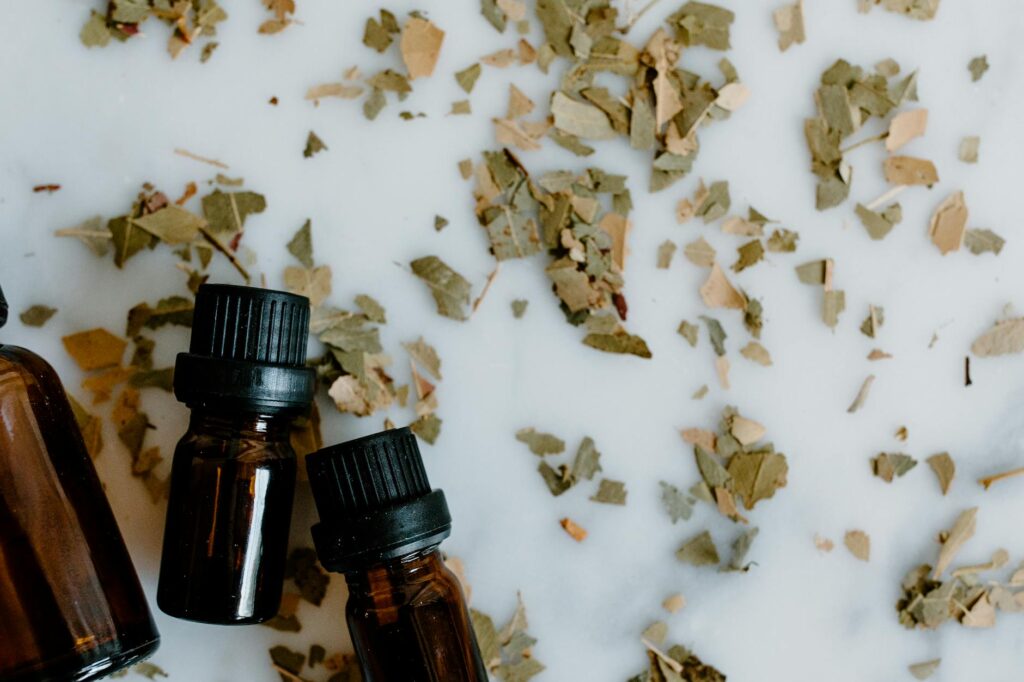
1. Keep Away from Light: Store essential oils in dark glass bottles to protect them from light exposure, which can degrade their quality.
2. Cool Environment: Keep oils in a cool, dry place away from heat sources to prolong their shelf life.
3. Tightly Sealed: Ensure bottles are tightly sealed to prevent evaporation and contamination.
The shelf life of essential oils can vary, typically ranging from 1 to 3 years, depending on the type of oil and storage conditions. It’s advisable to label bottles with the purchase date to keep track of their freshness.
Frequently Asked Questions
1. Can aromatherapy blends really improve my mood?
While individual experiences may vary, many people report positive effects from using aromatherapy blends, particularly when it comes to mood enhancement and emotional support.
2. How long does it take to feel the effects of aromatherapy?
The effects of aromatherapy can be felt almost immediately, especially through inhalation or diffusion. However, cumulative benefits may develop over time with consistent use.
3. Can I create my own aromatherapy blends?
Yes, creating your own blends can be a rewarding experience. Start by researching essential oils and their properties, then experiment with different combinations to find what resonates with you.
4. Are there any essential oils I should avoid?
Certain essential oils, such as those derived from the mint family, may not be suitable for individuals with specific health conditions. Research and consult with knowledgeable resources before use.
5. How often can I use aromatherapy blends?
Aromatherapy can be used daily, but it’s essential to listen to your body and adjust usage based on individual sensitivity and response.
Conclusion
Aromatherapy blends for seasonal mood improvement offer a natural, holistic approach to enhancing emotional well-being. By understanding the benefits, applications, and safety considerations, individuals can effectively incorporate these soothing scents into their daily lives. Whether through diffusion, topical application, or simple inhalation, the aromas of nature can provide comfort and upliftment during seasonal transitions. As with any holistic practice, personal exploration is key; find what works best for you, and enjoy the journey into the world of aromatherapy.