
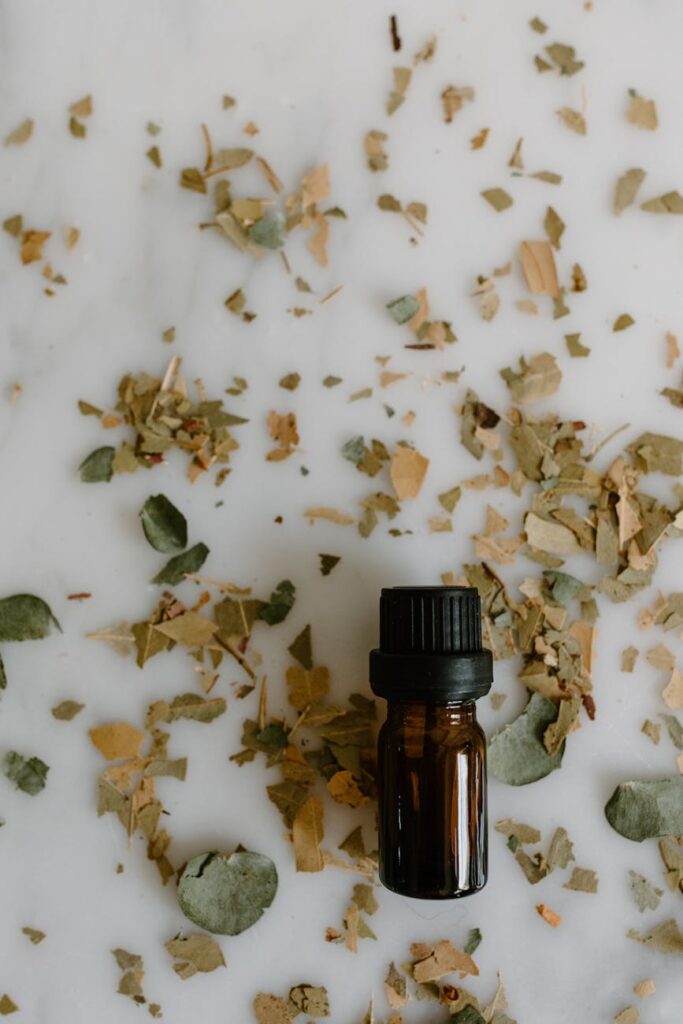
Aromatherapy Uses of Aromatherapy Blends for Seasonal Mood Support Techniques
Introduction
As the seasons change, many individuals experience shifts in mood and emotional well-being. Factors such as reduced sunlight in winter or the vibrant energy of spring can influence our psychological state. Aromatherapy, an ancient practice that utilizes the therapeutic properties of essential oils, offers a holistic approach to supporting emotional balance during these seasonal transitions. This article delves into the uses of aromatic blends specifically designed to enhance mood and well-being throughout the seasons.
What Is Aromatherapy Blends for Seasonal Mood Support Techniques?
Aromatherapy blends are carefully curated combinations of essential oils, each possessing unique aromatic and therapeutic properties. These blends are formulated to address specific emotional and psychological needs, making them particularly useful during seasonal transitions. For instance, certain oils may uplift spirits during the darker winter months, while others may calm the mind during the frenetic energy of spring.
The practice of using essential oils for mood support is rooted in the principles of aromatherapy, which posits that the inhalation or topical application of these oils can influence emotional and physical states. Seasonal mood support techniques involve the strategic use of these blends to foster emotional resilience and stability throughout the year.
Key Benefits and Properties
Aromatherapy blends for seasonal mood support can offer a range of benefits, including:
1. Emotional Balance: Essential oils can help stabilize mood, reduce feelings of anxiety, and promote a sense of calm. Oils like lavender and bergamot are known for their soothing properties.
2. Enhanced Energy: Certain blends can invigorate and energize, combating feelings of lethargy and promoting motivation. Citrus oils, such as lemon and orange, are often included for their uplifting effects.
3. Stress Relief: The use of calming essential oils can help alleviate stress and tension. Oils like chamomile and frankincense are frequently included in blends aimed at relaxation.
4. Improved Sleep: Some seasonal blends can promote better sleep quality, an essential aspect of emotional well-being. Oils such as cedarwood and ylang-ylang are known for their sedative effects.
5. Support for Seasonal Affective Disorder (SAD): During winter months, some individuals experience seasonal affective disorder, characterized by depressive symptoms. Certain blends may help mitigate these feelings through mood-enhancing properties.
Common Uses
Aromatherapy blends for seasonal mood support can be employed in various ways. Common uses include:
- Diffusion: Using an essential oil diffuser, individuals can disperse the aromatic properties of the blend throughout a room, creating a calming or invigorating environment.
- Topical Application: When diluted with a carrier oil, these blends can be applied to pulse points such as wrists, temples, and the back of the neck for direct emotional support.
- Bathing: Adding essential oils to a warm bath can create a soothing experience, allowing the individual to relax both body and mind.
- Inhalation: Simply inhaling the scent directly from the bottle or from a cotton ball soaked in the blend can provide immediate mood-enhancing effects.
- Massage: Incorporating the blends into massage oil can enhance relaxation and emotional release during a massage.
- Dilution: Essential oils should always be diluted in a carrier oil before topical application to prevent skin irritation.
- Allergies: Individuals should conduct a patch test before using a new essential oil to check for allergic reactions.
- Pregnancy and Nursing: Pregnant or nursing individuals should consult a healthcare professional before using essential oils, as some oils may not be safe during these periods.
- Children and Pets: Special care should be taken when using essential oils around children and pets, as certain oils can be harmful to them.
- Medical Conditions: Individuals with specific health concerns should seek guidance from a qualified aromatherapist or healthcare provider before using essential oils.
- Storage Conditions: Essential oils should be stored in dark glass bottles, away from direct sunlight and heat sources, to prevent degradation.
- Shelf Life: While essential oils do not spoil like food, they can lose potency over time. Generally, citrus oils have a shorter shelf life (about 1-2 years), while oils like sandalwood and patchouli can last up to 5 years or more if stored correctly.
Aromatherapy Applications
Different seasons may call for specific aromatherapy blends tailored to the emotional states often experienced during those times. Below are examples of seasonal blends:
Winter
1. Cozy Comfort Blend: Combining cedarwood, orange, and frankincense can create a warm, comforting atmosphere, promoting relaxation and a sense of security during the colder months.
2. Uplifting Citrus Blend: A mix of lemon, grapefruit, and bergamot can help combat winter blues by providing an energizing and uplifting aroma.
Spring
1. Renewal Blend: A blend of rosemary, lavender, and peppermint can invigorate and refresh the mind, symbolic of the renewal associated with spring.
2. Joyful Blossom Blend: Combining ylang-ylang, geranium, and sweet orange can evoke feelings of joy and positivity, perfect for embracing the vibrant energy of spring.
Summer
1. Cooling Citrus Blend: Blending lime, basil, and eucalyptus can offer a refreshing and energizing aroma, ideal for combating the heat and fatigue of summer.
2. Calm Retreat Blend: A mix of chamomile, lavender, and sandalwood can promote relaxation during the often-busy summer months.
Fall
1. Harvest Spice Blend: Combining cinnamon, clove, and orange can create a warm, inviting atmosphere that reflects the coziness of fall.
2. Grounding Blend: Using patchouli, vetiver, and cedarwood can provide stability and grounding during a season often associated with transition.
Safety Considerations
While aromatherapy is generally considered safe for most individuals, it is essential to take certain precautions:
Storage and Shelf Life
Proper storage of essential oils is crucial to maintaining their efficacy:
Frequently Asked Questions
1. Can I create my own aromatherapy blends?
Yes, many individuals enjoy experimenting with their own blends. Start by researching essential oils known for their desired properties, and use a carrier oil for topical applications.
2. How do I know which oils to use for my mood?
Understanding the properties of different essential oils can guide your choices. For instance, citrus oils are often uplifting, while lavender is soothing. Exploring various oils through personal experience can also help identify what resonates with you.
3. Are there any essential oils that should be avoided?
Certain oils, such as wintergreen and eucalyptus, can be potent and may not be suitable for everyone. Always consult with a qualified professional if you have concerns about specific oils.
4. How often can I use aromatherapy blends?
The frequency of use can vary based on individual preference. Many people find daily use beneficial, while others may prefer to use them as needed based on emotional states.
5. Can aromatherapy replace traditional treatments for mood disorders?
Aromatherapy can be a supportive tool for emotional well-being but should not replace professional medical treatment for mood disorders. Always consult with a healthcare provider for comprehensive care.
Conclusion
Aromatherapy blends for seasonal mood support techniques offer a natural, holistic approach to enhancing emotional well-being throughout the year. By understanding the properties and benefits of various essential oils, individuals can create personalized blends that resonate with their unique emotional needs. Whether used for relaxation, invigoration, or emotional balance, these blends serve as a powerful companion during the changing seasons.