
Aromatherapy Uses of Aromatherapy Blends for Seasonal Mood Support
Introduction
As the seasons shift, many individuals experience changes in mood and overall well-being. Seasonal affective disorder (SAD) and other mood fluctuations can be influenced by variations in light, temperature, and environmental factors. Aromatherapy, a holistic practice that uses essential oils to enhance physical and emotional health, offers a variety of blends specifically designed to support mood during these seasonal transitions. This article explores the uses, benefits, and applications of aromatherapy blends for seasonal mood support.
What Is Aromatherapy Blends for Seasonal Mood Support?
Aromatherapy blends for seasonal mood support are carefully formulated mixtures of essential oils that aim to uplift, calm, or stabilize emotions. These blends typically combine oils known for their mood-enhancing properties, such as citrus oils, florals, and grounding oils. The olfactory response to these scents can elicit emotional shifts, enabling individuals to navigate the challenges that different seasons may bring.
Key Benefits and Properties
1. Emotional Upliftment: Certain essential oils, like sweet orange and bergamot, are known for their ability to elevate mood and promote feelings of joy and happiness.
2. Calming Effects: Oils such as lavender and chamomile can reduce feelings of anxiety and stress, providing a calming influence during turbulent seasonal changes.
3. Grounding: Essential oils like vetiver and cedarwood can foster a sense of stability and grounding, which may be particularly beneficial during times of emotional upheaval.
4. Energizing: Oils such as peppermint and rosemary can invigorate the senses, promoting mental clarity and energy, especially during the sluggishness that can accompany winter months.
5. Enhanced Focus: Many blends can help improve concentration, making them useful for those who struggle with focus during seasonal transitions.
Common Uses
Aromatherapy blends for mood support can be utilized in various contexts, including:
- Diffusion: Using a diffuser to disperse the aroma throughout a room helps create an uplifting or calming atmosphere.
- Topical Application: Diluted blends can be applied to pulse points (such as wrists and neck) for personal scent and mood enhancement.
- Bathing: Adding blends to bathwater can provide a holistic experience that combines relaxation with aromatherapy.
- Inhalation: Simply inhaling the scent directly from the bottle or via a cotton ball can provide immediate mood support.
- Massage: Incorporating aromatherapy blends into massage oils can enhance the relaxation benefits of massage therapy.
- Citrus Bliss: Sweet orange, lemon, and bergamot for an uplifting and energizing blend.
- Winter Calm: Lavender, cedarwood, and frankincense for a grounding and soothing experience.
- Focus Blend: 10 drops of peppermint, 10 drops of rosemary, and 10 drops of lemon essential oil, diluted in a carrier oil like jojoba or fractionated coconut oil.
- Relaxing Bath: 5 drops of lavender, 3 drops of chamomile, and 2 drops of ylang-ylang mixed with a neutral carrier oil or Epsom salts.
- Place a few drops of your chosen blend on a cotton ball, and inhale deeply whenever you feel the need for a mood boost.
Aromatherapy Applications
1. Diffuser Blends
Creating a seasonal mood support blend for a diffuser can be as simple as combining a few essential oils. Common combinations include:
2. Roller Blends
For on-the-go mood support, roller blends are a convenient option. A typical recipe might include:
3. Bath Blends
Warm baths infused with essential oils can offer both physical and emotional relaxation. A suggested blend might be:
4. Inhalation Method
For immediate relief, consider the following inhalation method:
Safety Considerations
While aromatherapy can be beneficial, certain safety guidelines should be observed:
1. Dilution: Always dilute essential oils with a carrier oil before applying them to the skin to avoid irritation. General practice suggests a dilution of 2-3% for topical applications.
2. Quality of Oils: Use high-quality, pure essential oils from reputable sources to ensure safety and effectiveness.
3. Allergic Reactions: Perform a patch test before using a new essential oil blend to check for any allergic reactions.
4. Pregnancy and Medical Conditions: Pregnant individuals or those with specific medical conditions should consult a healthcare professional before using essential oils.
5. Children and Pets: Some essential oils may not be safe for young children or pets. Always research specific oils before use in these contexts.
Storage and Shelf Life
Proper storage of essential oils is crucial for maintaining their potency and effectiveness. Follow these guidelines:
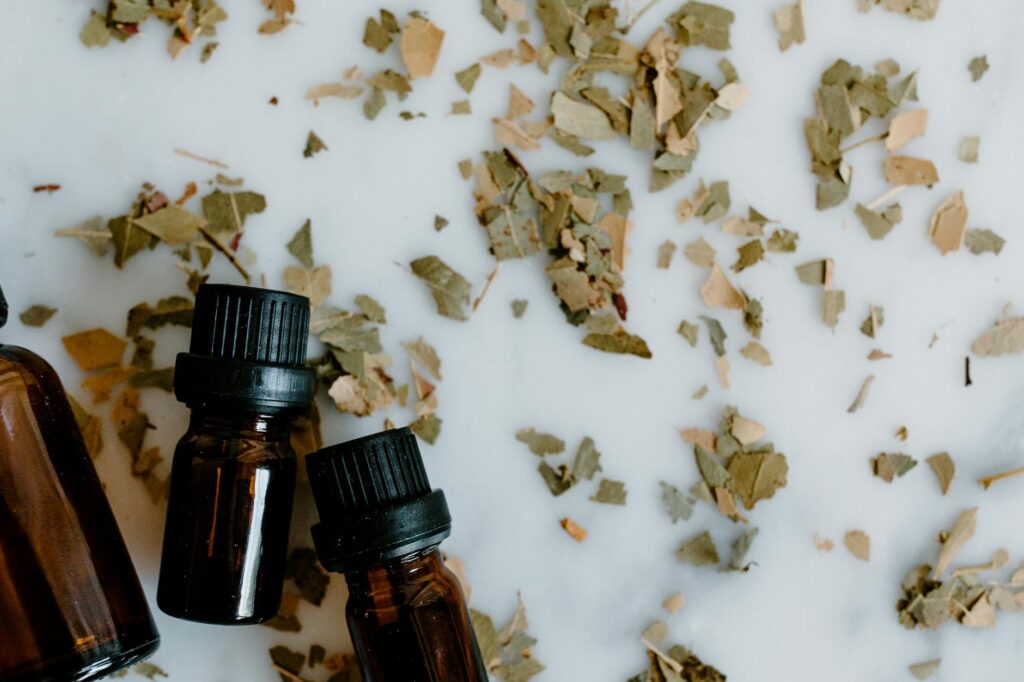
1. Dark Glass Containers: Store oils in dark glass bottles to protect them from light, which can degrade their quality.
2. Cool Temperatures: Keep oils in a cool, dry place, away from heat sources and direct sunlight.
3. Expiration: Most essential oils have a shelf life of 1 to 3 years, depending on the type. Check for any changes in scent, color, or viscosity, which may indicate spoilage.
Frequently Asked Questions
1. Can I make my own aromatherapy blends for mood support?
Yes, creating your own blends can be a rewarding experience. Start with a few essential oils that resonate with you and experiment with different ratios until you find a combination that you enjoy.
2. How often can I use aromatherapy blends for mood support?
Frequency of use will depend on personal preference and individual responses. Many users find that they can safely use blends several times a day, especially in a diffuser or as a personal inhaler.
3. Are there specific essential oils that are best for seasonal mood support?
While individual preferences may vary, common essential oils known for supporting mood include bergamot, lavender, sweet orange, and frankincense. Research and personal experimentation can help identify which oils work best for you.
4. Can aromatherapy replace traditional treatments for mood disorders?
Aromatherapy should not be seen as a replacement for professional medical treatment or therapy. It can be a complementary practice to enhance emotional well-being but should be used alongside other strategies recommended by healthcare professionals.
Conclusion
Aromatherapy blends for seasonal mood support offer a natural and enjoyable way to enhance emotional well-being throughout the year. By understanding the properties and applications of various essential oils, individuals can create personalized blends that resonate with their emotional needs. Always consider safety guidelines and proper storage to maximize the benefits of these aromatic tools. Whether used in a diffuser, bath, or topical application, these blends can provide a fragrant path to improved mood and seasonal resilience.