
Aromatherapy Uses of Aromatherapy Blends for Self-Care and Relaxation
Introduction
Aromatherapy, a holistic practice involving the use of essential oils, has gained prominence in recent years for its numerous benefits in promoting self-care and relaxation. By harnessing the natural properties of plant extracts, aromatherapy blends can help create a serene environment, support emotional well-being, and enhance overall quality of life. This article delves into the concept of aromatherapy blends specifically geared towards self-care and relaxation, exploring their benefits, common uses, applications, and important safety considerations.
What Is Aromatherapy Blends for Self-Care and Relaxation?
Aromatherapy blends are mixtures of essential oils formulated to address specific emotional and physical needs. These blends are typically created with a combination of various essential oils, each possessing unique properties that contribute to overall well-being. When diffused, inhaled, or applied topically, these blends can evoke feelings of calmness, improve mood, and promote relaxation.
Self-care involves activities that individuals engage in to take care of their mental, emotional, and physical health. Aromatherapy is a natural and accessible tool for enhancing self-care routines, allowing individuals to create personal sanctuaries of peace and tranquility.
Key Benefits and Properties
The benefits of aromatherapy blends for self-care and relaxation are numerous, stemming from the inherent properties of the essential oils used. Here are some key advantages:
1. Emotional Well-being: Many essential oils, such as lavender and bergamot, are known for their calming effects, helping to reduce anxiety and promote a sense of peace.
2. Stress Relief: The soothing aromas of certain blends can help mitigate stress responses, allowing individuals to unwind after a long day.
3. Improved Sleep Quality: Blends containing oils like chamomile and cedarwood can be effective in promoting better sleep, helping to establish a calming bedtime routine.
4. Enhanced Focus and Clarity: Some essential oils, such as rosemary and peppermint, can stimulate mental clarity and focus, making them ideal for use during study or work sessions.
5. Physical Relaxation: Aromatherapy can also aid in physical relaxation by alleviating tension in muscles and promoting overall bodily ease.
Common Uses
Aromatherapy blends can be utilized in various settings and situations to enhance self-care and relaxation:
1. Home Diffusion: Using a diffuser to disperse essential oil blends throughout a room can create a peaceful atmosphere, perfect for unwinding after a busy day.
2. Bath Soaks: Adding aromatherapy blends to bathwater can elevate the bathing experience, turning it into a soothing ritual that promotes relaxation.
3. Massage Oils: Blending essential oils with carrier oils for use in massage can enhance both physical relaxation and emotional well-being.
4. Inhalation: Direct inhalation of essential oil blends can quickly elevate mood and relieve stress, making it a handy tool for on-the-go self-care.
5. Sleep Aids: Incorporating relaxing blends into bedtime routines can foster healthier sleep patterns and promote restful nights.
Aromatherapy Applications
The application methods for aromatherapy blends are varied, allowing for flexibility in how one chooses to incorporate them into their self-care routines:
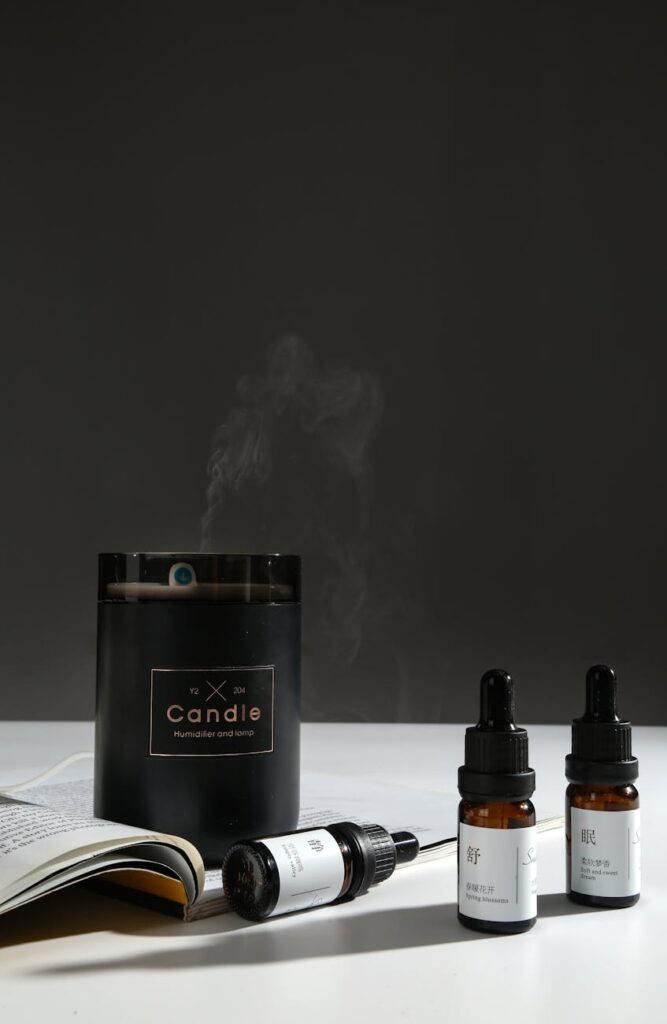
1. Diffusion: Utilizing an essential oil diffuser is one of the most common and effective ways to disperse the aromas of essential oils into a space. This method can help purify the air, create a calming environment, and uplift mood.
2. Topical Application: Essential oils must be diluted with carrier oils (such as jojoba, coconut, or almond oil) before being applied to the skin. This method is particularly effective for localized benefits, such as muscle relaxation or tension relief.
3. Inhalation: Direct inhalation can be achieved by placing a few drops of an essential oil blend onto a cotton pad or tissue and inhaling deeply. Alternatively, one can use inhalers designed for this purpose.
4. Bathing: Adding a few drops of essential oils to a warm bath can create a luxurious and calming experience. It is advisable to mix the oils with a dispersant (like Epsom salts) to ensure even distribution in the water.
5. Aromatherapy Rollers: Pre-diluted roller bottles containing essential oil blends provide a convenient way to apply blends directly to pulse points for quick relief.
Safety Considerations
While aromatherapy is generally safe for most individuals, there are important safety considerations to keep in mind:
1. Dilution: Essential oils are highly concentrated and should always be diluted with a carrier oil before topical application to prevent skin irritation.
2. Patch Testing: It is advisable to conduct a patch test before using a new essential oil blend on a larger skin area. This helps identify any potential allergic reactions.
3. Pregnancy and Medical Conditions: Pregnant individuals or those with specific medical conditions should consult a healthcare professional before using essential oils, as some oils may not be safe for certain situations.
4. Children and Pets: Caution should be exercised when using aromatherapy around children or pets. Some essential oils can be toxic to animals, and dosages for children should be adjusted accordingly.
5. Quality of Oils: Using high-quality, pure essential oils is essential for achieving the desired benefits. Look for reputable suppliers who provide third-party testing results.
Storage and Shelf Life
Proper storage of essential oils is crucial for maintaining their efficacy and extending their shelf life:
1. Containers: Essential oils should be stored in dark glass bottles to protect them from light degradation. Avoid using plastic containers, as essential oils can degrade plastic over time.
2. Temperature: Store oils in a cool, dry place away from direct sunlight and heat sources to preserve their potency.
3. Shelf Life: The shelf life of essential oils varies depending on the type. Generally, most essential oils can last from one to three years. Citrus oils tend to have shorter shelf lives, while oils like patchouli or sandalwood can last longer.
Frequently Asked Questions
1. Can I use essential oils if I have allergies?
It is essential to identify any specific allergies you may have before using essential oils. Conduct a patch test and consult with a healthcare provider if you have concerns.
2. How often can I use aromatherapy blends?
The frequency of use depends on individual preferences and sensitivity to essential oils. However, moderate use—such as daily diffusion or topical application—is generally considered safe.
3. Can I combine different essential oils in one blend?
Yes, many people enjoy creating their custom blends by combining compatible essential oils. However, it is advisable to research which oils complement each other and ensure safe dilution.
4. Are there specific essential oils that are best for relaxation?
Popular essential oils known for their relaxing properties include lavender, chamomile, ylang-ylang, and frankincense. These oils are often included in blends designed for relaxation and stress relief.
5. Is aromatherapy effective for everyone?
While many individuals find significant benefits from aromatherapy, responses can vary. It may not work for everyone, and personal preferences for scents and methods of application play a significant role.
Conclusion
Aromatherapy blends offer a natural and versatile approach to enhancing self-care and relaxation. By incorporating essential oils into daily routines, individuals can create calming environments, improve emotional well-being, and promote overall relaxation. It is essential to approach aromatherapy with an understanding of safety considerations and proper applications to maximize its benefits. As the world continues to seek holistic methods for well-being, aromatherapy remains a valuable tool in the journey towards a balanced and peaceful life.