
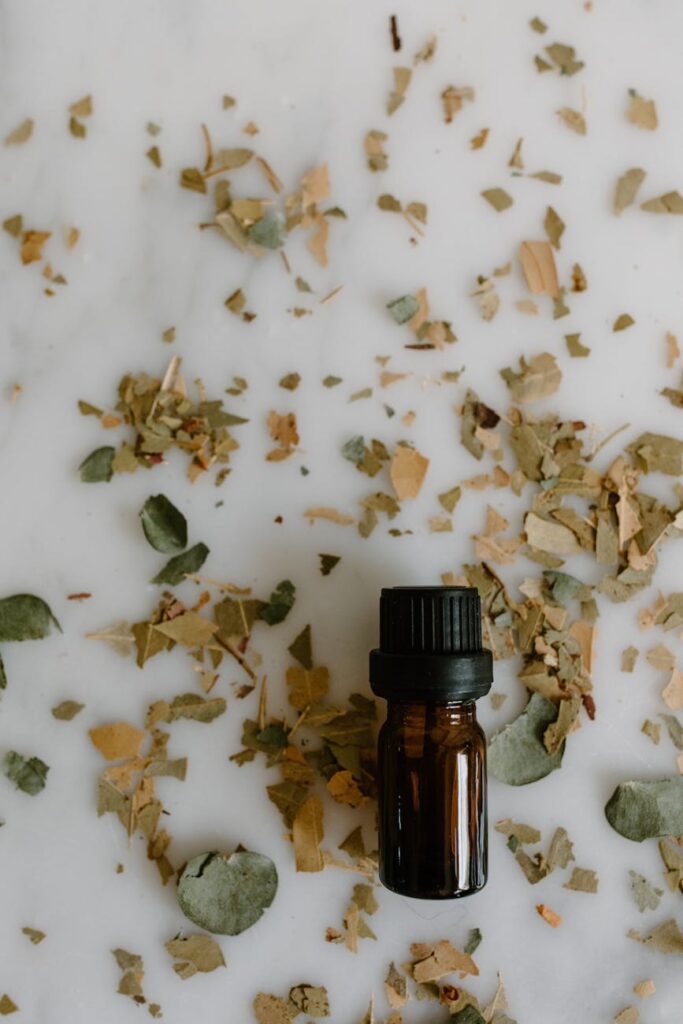
Aromatherapy Uses of Aromatherapy Blends for Sinus Relief
Introduction
Aromatherapy, the practice of using essential oils for therapeutic purposes, has gained popularity worldwide for its potential to enhance physical and emotional well-being. Among its various applications, aromatherapy blends for sinus relief are particularly sought after, especially during seasons of allergy or cold. This article explores the formulation of these blends, their benefits, common uses, and safety considerations to provide a comprehensive overview of how they can support sinus health.
What Is Aromatherapy Blends for Sinus Relief?
Aromatherapy blends for sinus relief consist of carefully selected essential oils that are known for their decongestant, anti-inflammatory, and soothing properties. These blends aim to alleviate symptoms associated with sinus congestion, sinusitis, and respiratory discomfort. The combinations often include oils that can help clear the nasal passages, reduce inflammation, and promote overall respiratory health.
Essential oils are extracted from various parts of plants, including leaves, flowers, roots, and bark. When used in aromatherapy, they can be inhaled, diffused, or applied topically (when appropriately diluted) to deliver their beneficial properties.
Key Benefits and Properties
The primary benefits of aromatherapy blends for sinus relief arise from the unique properties of the essential oils used:
1. Decongestant Properties: Oils such as eucalyptus and peppermint are known for their ability to open up the airways and promote easier breathing.
2. Anti-inflammatory Effects: Essential oils like tea tree and lavender may help reduce inflammation in the sinuses, providing relief from discomfort.
3. Antimicrobial Activity: Certain oils possess antimicrobial properties, which can help in reducing the risk of infections that may exacerbate sinus issues.
4. Relaxation and Stress Relief: The inhalation of calming oils like chamomile and bergamot can also promote relaxation, which may aid in overall wellness during times of discomfort.
5. Mood Enhancement: Aromatherapy can positively impact mood, making it a complementary approach for those experiencing sinus-related stress.
Common Uses
Aromatherapy blends for sinus relief can be utilized in various ways:
- Steam Inhalation: Adding a few drops of essential oils to a bowl of hot water and inhaling the steam can help clear nasal passages.
- Diffusion: Using an essential oil diffuser in a room can disperse the scent and benefits of the oils throughout the space.
- Topical Application: When diluted with a carrier oil, certain blends can be massaged onto the chest or sinuses to provide localized relief.
- Bath Soaks: Adding essential oils to a warm bath can create a soothing environment while helping to relieve sinus congestion.
- Inhalers: Personal inhalers filled with essential oil blends can be carried for on-the-go relief.
- 2 drops of eucalyptus oil
- 2 drops of peppermint oil
- 1 drop of tea tree oil
- 3 drops of lavender oil
- 2 drops of rosemary oil
- 2 drops of lemon oil
- 3 drops of eucalyptus oil
- 2 drops of peppermint oil
- 2 tablespoons of carrier oil (such as coconut or jojoba oil)
- 5 drops of chamomile oil
- 5 drops of lavender oil
- 1 cup of Epsom salt
- Dilution: Always dilute essential oils with a carrier oil before applying to the skin to prevent irritation.
- Sensitivity Testing: Conduct a patch test prior to widespread use to check for allergic reactions or sensitivities.
- Pregnancy and Nursing: Consult a healthcare provider before using essential oils during pregnancy or while nursing.
- Children and Pets: Some essential oils are unsuitable for young children and pets. Research and consult reliable sources before use.
- Quality of Oils: Use high-quality, pure essential oils from reputable sources to ensure safety and efficacy.
- Containers: Store essential oils in dark glass bottles to protect them from light. Avoid plastic containers, as some essential oils can degrade plastics.
- Temperature: Keep oils in a cool, dry place, away from direct sunlight and heat sources.
- Shelf Life: Most essential oils have a shelf life of 1 to 3 years, although some may last longer. Citrus oils tend to have a shorter shelf life compared to woody or resinous oils.
Aromatherapy Applications
1. Steam Inhalation Recipe
A simple steam inhalation blend for sinus relief can include:
Instructions: Boil water and pour it into a bowl. Add the essential oils, lean over the bowl with a towel over your head, and inhale deeply for 5-10 minutes.
2. Diffuser Blend
For a calming diffuser blend, try:
Instructions: Add the oils to your diffuser along with water as per the manufacturer’s instructions and enjoy the soothing aroma.
3. Topical Application
For a chest rub, mix:
Instructions: Mix the oils in a small bowl and apply to the chest and sinus areas, avoiding direct contact with the eyes.
4. Aromatherapy Bath
To create a relaxing bath soak, blend:
Instructions: Mix the essential oils with Epsom salt and add to a warm bath for a soothing experience.
Safety Considerations
While aromatherapy can be beneficial, it is essential to adhere to safety guidelines:
Storage and Shelf Life
Proper storage is crucial for maintaining the integrity of essential oils. Here are some guidelines:
Frequently Asked Questions
1. Can I use essential oils if I have allergies?
While many individuals with allergies benefit from aromatherapy, it is essential to identify specific triggers and consult with a healthcare provider if necessary.
2. How often can I use aromatherapy blends for sinus relief?
The frequency of use depends on individual preference and sensitivity. Generally, using blends 1-3 times daily is considered safe for most people.
3. Can I mix different essential oils together?
Yes, blending essential oils can enhance their effectiveness. However, it is crucial to research the properties of each oil to ensure they work harmoniously.
4. Are there any essential oils I should avoid?
Certain oils may not be suitable for everyone. For example, people with asthma or respiratory conditions should avoid oils that may irritate the airways, such as strong citrus or spicy oils.
5. What should I do if I have an adverse reaction?
If you experience irritation or an allergic reaction, discontinue use immediately, wash the affected area with soap and water, and consult a healthcare professional if symptoms persist.
Conclusion
Aromatherapy blends for sinus relief offer a natural approach to alleviating discomfort associated with sinus congestion and respiratory issues. By understanding the properties of various essential oils and their applications, individuals can harness the potential benefits of aromatherapy in their daily lives. Always remember to practice safety and proper usage to enjoy the full advantages of these aromatic blends.