
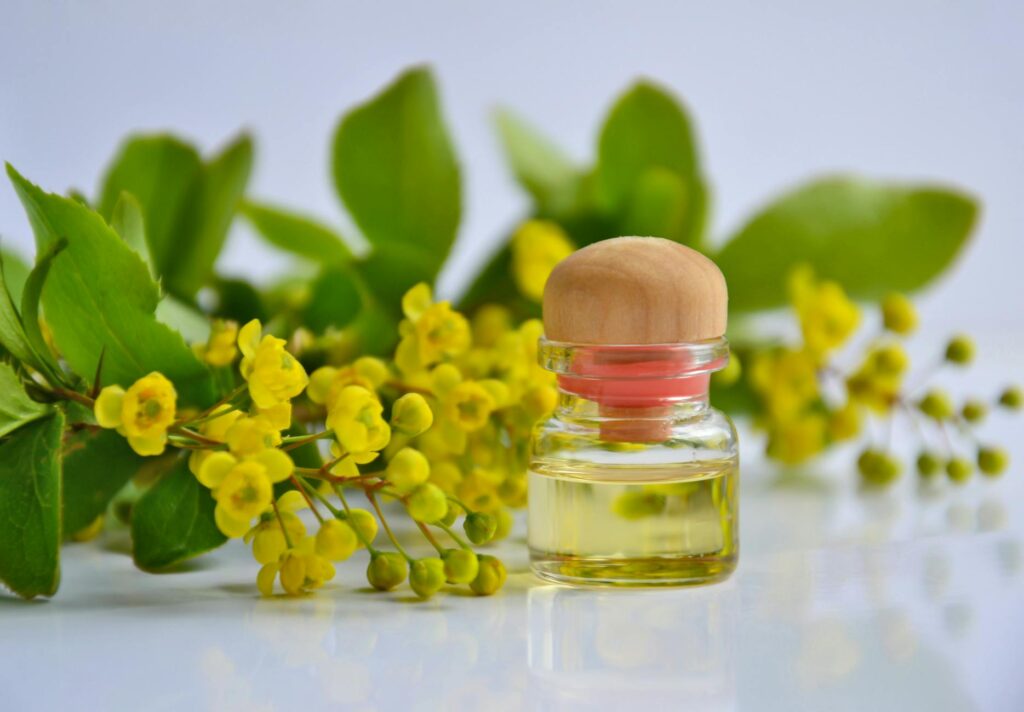
Aromatherapy Uses of Aromatherapy Blends for Skin Aging
Introduction
Aromatherapy, the practice of using essential oils extracted from plants for therapeutic benefits, has gained popularity for its potential to enhance well-being and improve various skin conditions. As the skin ages, it undergoes numerous changes, including decreased elasticity, the appearance of fine lines and wrinkles, and uneven skin tone. Many people seek natural solutions to address these signs of aging, and aromatherapy blends offer a holistic approach to skin care. This article explores the concept of aromatherapy blends specifically designed for skin aging, their benefits, common applications, and safety considerations.
What Is Aromatherapy Blends for Skin Aging?
Aromatherapy blends for skin aging are combinations of essential oils and carrier oils formulated to target the signs of aging. These blends typically include oils known for their rejuvenating, hydrating, and soothing properties. Essential oils are concentrated extracts obtained from various parts of plants, including flowers, leaves, stems, and roots. When combined with carrier oils—vegetable oils used to dilute essential oils for safe application—they create a product suitable for topical use.
The purpose of these blends is to nourish the skin, promote a youthful appearance, and support overall skin health. The specific oils chosen in these blends often exhibit antioxidant, anti-inflammatory, and moisturizing properties, making them suitable for aging skin.
Key Benefits and Properties
The essential oils commonly found in aromatherapy blends for skin aging offer a wide range of benefits:
1. Antioxidant Properties: Many essential oils, such as frankincense and rose, contain antioxidants that help combat oxidative stress, which is a major contributor to skin aging.
2. Hydration: Oils like geranium and lavender are known for their moisturizing properties, helping to maintain skin hydration and elasticity.
3. Anti-inflammatory Effects: Essential oils such as chamomile and tea tree oil can reduce inflammation and soothe irritated skin, promoting a more even skin tone.
4. Cell Regeneration: Oils like myrrh and sandalwood are believed to promote cell regeneration, aiding in the repair of damaged skin and reducing the appearance of scars and blemishes.
5. Improved Circulation: Some oils, such as rosemary, can enhance blood circulation, leading to a more vibrant complexion and supporting the skin’s natural healing processes.
6. Mood Enhancement: The aromatic properties of essential oils also contribute to emotional well-being, which can have a positive effect on skin health. Stress can exacerbate skin issues, and the calming effects of certain oils can help mitigate this.
Common Uses
Aromatherapy blends for skin aging can be utilized in various ways, including:
- Facial Oils: These blends can be used as daily moisturizers or serums, providing essential nutrients directly to the skin.
- Massage Oils: Incorporating these blends into massage oils can enhance relaxation while delivering the benefits of essential oils to the skin.
- Bath Soaks: Adding essential oils to bathwater can create a soothing and aromatic experience, allowing the oils to penetrate the skin while promoting relaxation.
- Facial Steams: A facial steam infused with specific essential oils can cleanse pores and hydrate the skin, enhancing the overall complexion.
- Homemade Masks: Mixing essential oils into clay or yogurt-based masks can offer targeted treatments for specific skin concerns.
- Consultation: Individuals with sensitive skin or pre-existing skin conditions should consult with a healthcare professional or a certified aromatherapist before using essential oils.
- Pregnancy and Nursing: Some essential oils may not be suitable for pregnant or nursing women. It is advisable to seek expert guidance in these cases.
- Sun Sensitivity: Certain oils, such as citrus oils, can increase photosensitivity. It is best to avoid sun exposure after applying such oils to the skin.
- Quality of Oils: Always choose high-quality, pure essential oils free from synthetic additives. Look for reputable brands that provide detailed information on sourcing and extraction methods.
- Containers: Store blends in dark glass bottles to protect them from light, which can degrade the oils over time.
- Temperature: Keep oils in a cool, dry place away from direct sunlight and heat sources to prevent oxidation.
- Shelf Life: The shelf life of essential oils varies. Generally, most essential oils can last from 1 to 3 years, while carrier oils may have shorter shelf lives. Check for rancidity or changes in smell before use.
Aromatherapy Applications
When applying aromatherapy blends for skin aging, consider the following methods:
1. Dilution: Always dilute essential oils in a carrier oil before applying them to the skin. A common ratio is 2-3 drops of essential oil per teaspoon of carrier oil, but this can vary depending on the oil and the user’s skin sensitivity.
2. Patch Test: Before using a new blend, perform a patch test by applying a small amount to an inconspicuous area of skin to check for any adverse reactions.
3. Application Techniques: Gently massage the blend into clean, dry skin using upward strokes. This not only enhances absorption but also stimulates circulation.
4. Frequency: Depending on the formulation, these blends can be applied once or twice daily. It’s important to monitor skin response and adjust usage accordingly.
5. Inhalation: For mood-enhancing effects, essential oils can also be inhaled directly from the bottle or through a diffuser, allowing the aromatic compounds to promote relaxation and reduce stress.
Safety Considerations
While aromatherapy blends are generally safe for topical use, certain precautions should be observed:
Storage and Shelf Life
Proper storage of aromatherapy blends is crucial for maintaining their effectiveness and safety:
Frequently Asked Questions
1. Can I use essential oils directly on my skin?
Essential oils should always be diluted in a carrier oil before applying them to the skin to avoid irritation or allergic reactions.
2. How long does it take to see results from aromatherapy blends?
Results can vary based on individual skin types and concerns. Some individuals may notice improvements within a few weeks, while others may require longer usage for noticeable changes.
3. Are there any essential oils I should avoid for aging skin?
Certain oils, such as those derived from citrus, may not be ideal for all skin types, particularly for those with sensitive skin or conditions like rosacea. It’s best to consult with a professional for personalized recommendations.
4. Is it safe to use aromatherapy blends on sensitive skin?
Individuals with sensitive skin should perform a patch test and consult with a healthcare professional before using aromatherapy blends. Choosing gentler oils, such as lavender or chamomile, may also be beneficial.
5. Can I combine different essential oils in my blend?
Yes, many essential oils can complement each other and enhance the overall efficacy of the blend. However, it’s essential to research each oil’s properties and potential interactions before combining them.
Conclusion
Aromatherapy blends for skin aging present a natural and holistic approach to addressing the signs of aging. By harnessing the benefits of essential oils, individuals can nourish their skin while enjoying the aromatic pleasures of these botanical extracts. Understanding the properties, applications, and safety considerations associated with these blends can empower users to incorporate them effectively into their skincare routines. As always, a mindful approach to using essential oils can lead to a more radiant and youthful complexion, complementing the natural beauty of aging skin.