
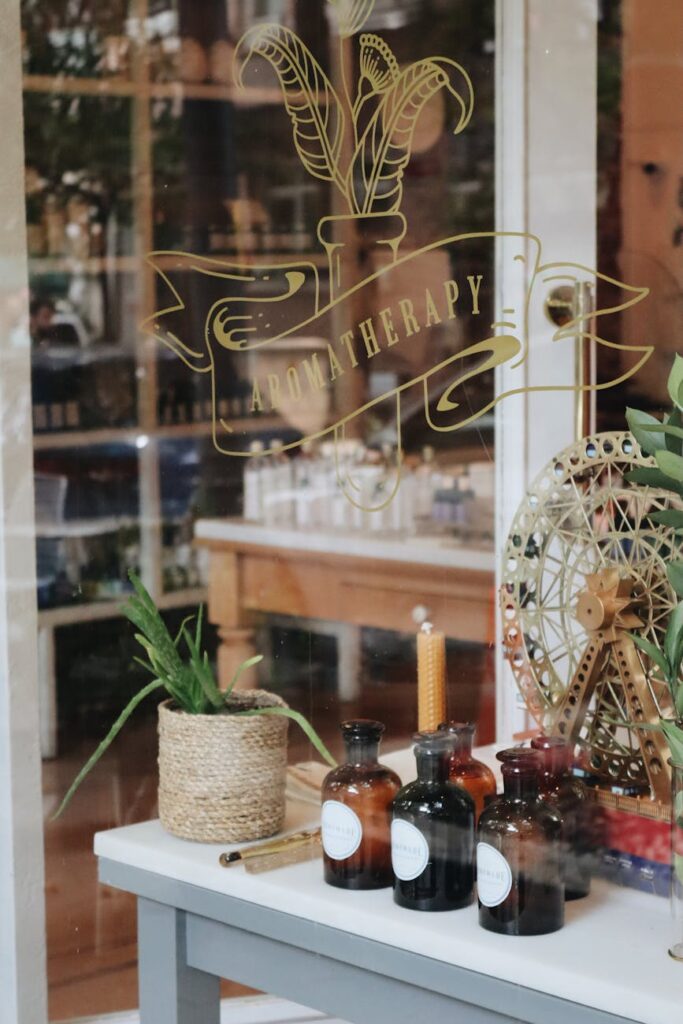
Aromatherapy Uses of Aromatherapy Blends for Skin Healing
Introduction
Aromatherapy, a holistic healing practice that utilizes the fragrant properties of essential oils, has gained significant popularity over the years. Among its various applications, aromatherapy blends specifically designed for skin healing have captivated the attention of many. This article explores the essential oils used in these blends, their benefits, common applications, and considerations for safe use, providing a comprehensive overview for those interested in enhancing their skincare regimen through natural methods.
What Is Aromatherapy Blends for Skin Healing?
Aromatherapy blends for skin healing consist of carefully selected essential oils mixed with carrier oils to support skin health. These blends can be applied topically or diffused in the air, allowing for both physical and emotional benefits. The essential oils used in these blends are often chosen for their specific properties, such as anti-inflammatory, antibacterial, or soothing qualities, making them effective for various skin concerns.
Composition of Aromatherapy Blends
Typically, a skin healing blend will include:
1. Essential Oils: Highly concentrated plant extracts known for their therapeutic properties. Common essential oils for skin healing include lavender, tea tree, chamomile, and frankincense.
2. Carrier Oils: These oils dilute essential oils, making them safe for topical application. Common carrier oils include jojoba oil, sweet almond oil, and coconut oil.
Key Benefits and Properties
Aromatherapy blends for skin healing can provide a range of benefits, including:
1. Anti-inflammatory Properties
Certain essential oils, such as chamomile and lavender, have anti-inflammatory effects that can help reduce redness and swelling in the skin.
2. Antibacterial and Antiseptic Effects
Oils like tea tree and eucalyptus possess antibacterial properties that can assist in preventing infections and promoting skin healing.
3. Moisturizing and Hydrating
Carrier oils such as jojoba and avocado oil are rich in fatty acids, which can help to hydrate and nourish the skin.
4. Soothing and Calming
Aromatherapy blends often include oils like ylang-ylang and bergamot, which can help to calm irritated skin and promote relaxation.
5. Skin Regeneration
Essential oils such as frankincense and rose have been found to promote skin regeneration, making them beneficial for scars and aging skin.
Common Uses
Aromatherapy blends can be utilized for a variety of skin concerns. Some common uses include:
1. Acne Treatment
Blends that incorporate tea tree oil can help to reduce acne breakouts due to their antibacterial properties.
2. Eczema and Psoriasis Relief
Soothing oils like lavender and chamomile can provide relief from the itching and inflammation associated with eczema and psoriasis.
3. Scarring and Stretch Marks
Blends containing frankincense and helichrysum are often used to improve the appearance of scars and stretch marks.
4. Dry or Cracked Skin
Moisturizing blends can help to alleviate dry skin, especially in colder months.
5. Sunburn Relief
Cooling and soothing blends with lavender and peppermint can offer relief from sunburn discomfort.
Aromatherapy Applications
There are several methods of applying aromatherapy blends for skin healing:
1. Topical Application
Dilute essential oils with a carrier oil and apply directly to the affected area. A common ratio is 2-3 drops of essential oil per teaspoon of carrier oil.
2. Aromatic Baths
Adding a few drops of a skin healing blend to bath water can provide a soothing experience for both the skin and the senses.
3. Compresses
Aromatic compresses can be made by soaking a clean cloth in water mixed with a few drops of essential oil and applying it to the affected area.
4. Diffusion
Using a diffuser to disperse the aroma of skin healing blends in the air can promote an overall sense of well-being and relaxation.
5. Inhalation
Inhaling the vapors of certain essential oils can provide immediate emotional support, which may indirectly benefit skin health.
Safety Considerations
While aromatherapy can offer numerous benefits, safety should always be a priority:
1. Patch Test: Before applying any new blend to the skin, conduct a patch test on a small area to check for allergic reactions or irritation.
2. Dilution: Always dilute essential oils with a carrier oil before topical application to prevent skin sensitivity.
3. Pregnant or Nursing Women: Certain essential oils may not be safe for use during pregnancy or while breastfeeding. Consult a qualified professional for guidance.
4. Children and Pets: Some essential oils are not suitable for use around young children or pets. Research or seek expert advice before use.
5. Storage: Store essential oils and blends in a cool, dark place to maintain their efficacy and prevent degradation.
Storage and Shelf Life
Proper storage is crucial for maintaining the quality of aromatherapy blends:
1. Containers: Use dark glass bottles to protect essential oils from light and UV exposure.
2. Temperature: Keep oils in a cool, dry place. Excessive heat can cause essential oils to degrade.
3. Shelf Life: Most essential oils have a shelf life of 1-3 years, while blends with carrier oils may last around 6 months to a year. Regularly check for changes in smell or appearance.
Frequently Asked Questions
1. Can I make my own aromatherapy blends for skin healing?
Yes, many people enjoy creating their own blends at home. Start with a base recipe and experiment with different essential oils and carrier oils to find combinations that work best for you.
2. Are there any essential oils that should be avoided for skin healing?
Certain essential oils can cause skin irritation or allergic reactions, such as cinnamon or clove oil. Always research oils before use and consult a qualified professional if unsure.
3. How quickly can I expect to see results from aromatherapy blends for skin healing?
Results can vary based on individual skin types, conditions, and the specific oils used. Patience is key, as natural healing processes may take time.
4. Can aromatherapy blends replace conventional skincare products?
While aromatherapy can complement skincare regimens, it is not a substitute for medical treatments or professional skincare products. Always consult a healthcare provider for serious skin conditions.
5. Is it safe to use essential oils in products for sensitive skin?
Individuals with sensitive skin should exercise caution when using essential oils. Always dilute oils and perform a patch test before wider application.
Conclusion
Aromatherapy blends for skin healing offer a natural approach to skincare, combining the therapeutic properties of essential oils with the nourishing benefits of carrier oils. With a wide range of applications and benefits, these blends can support skin health and enhance overall well-being. However, it is essential to prioritize safety and proper storage to maximize their effectiveness. Whether you are new to aromatherapy or a seasoned user, exploring these blends can lead to a more holistic and fulfilling skincare experience.