
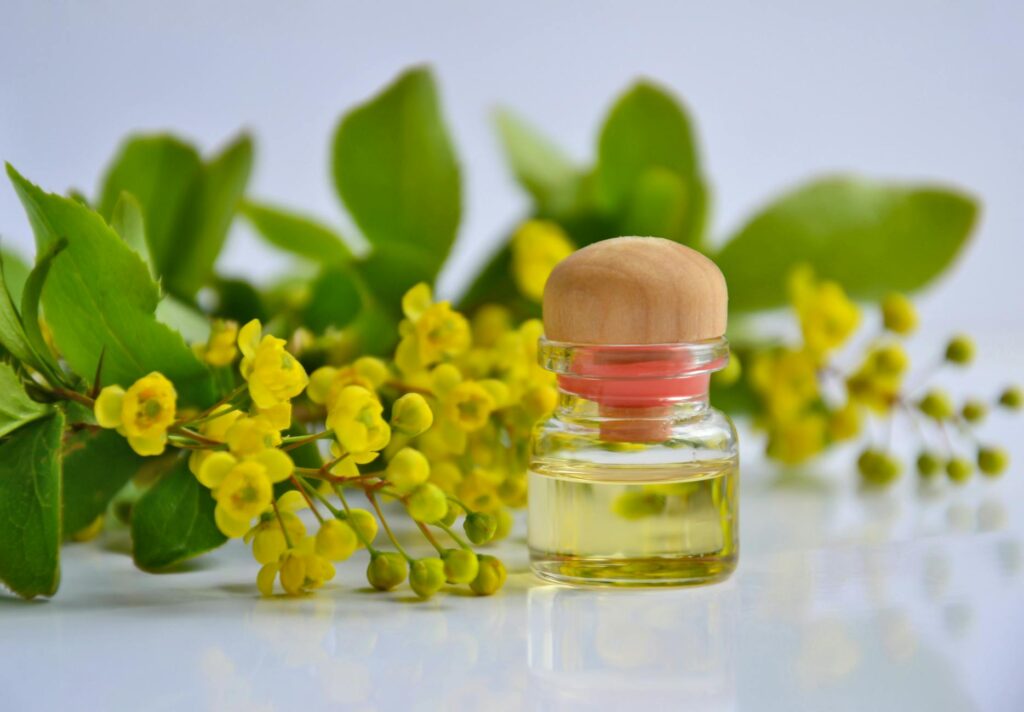
Aromatherapy Uses of Aromatherapy Blends for Skin Nourishment
Introduction
Aromatherapy, a holistic approach to wellness, has gained popularity for its potential benefits in promoting emotional and physical well-being through the use of essential oils. Among its many applications, the use of aromatherapy blends for skin nourishment is particularly noteworthy. These blends combine various essential oils, each with unique properties that cater to different skin types and concerns. This article explores the concept of aromatherapy blends for skin nourishment, their benefits, common uses, and safety considerations.
What Is Aromatherapy Blends for Skin Nourishment?
Aromatherapy blends for skin nourishment consist of carefully selected essential oils mixed with carrier oils, which are derived from plants and seeds. These blends aim to enhance the health and appearance of the skin by harnessing the natural properties of the oils. Essential oils are concentrated plant extracts known for their aromatic qualities and therapeutic effects. When combined, they create synergistic effects that can address various skin issues, from dryness to aging.
Carrier oils, such as jojoba, sweet almond, or coconut oil, serve as a base for diluting essential oils, making them safe for topical application. The choice of carrier oil can also contribute additional nourishing properties to the blend.
Key Benefits and Properties
The benefits of aromatherapy blends for skin nourishment are varied and can target multiple skin concerns. Some of the key benefits include:
1. Moisturization: Many essential oils, such as lavender and geranium, have hydrating properties that can help restore moisture to dry skin.
2. Anti-Aging: Oils like frankincense and rose are known for their antioxidant properties, helping to reduce the appearance of fine lines and wrinkles.
3. Soothing Inflammation: Essential oils such as chamomile and tea tree possess anti-inflammatory properties, making them effective for calming irritated or sensitive skin.
4. Balancing Oil Production: Oils like bergamot and rosemary can help regulate sebum production, making them suitable for oily or acne-prone skin.
5. Promoting Healing: Some oils, including helichrysum and calendula, are known for their healing properties, aiding in the repair of damaged skin.
6. Enhancing Skin Elasticity: Essential oils like ylang-ylang can improve skin elasticity, contributing to a firmer appearance.
Common Uses
Aromatherapy blends for skin nourishment can be incorporated into various skincare routines and practices. Common uses include:
- Facial Serums: Blending essential oils with a carrier oil creates a nourishing serum that can be applied directly to the face to enhance hydration and promote a youthful appearance.
- Moisturizers: Adding essential oils to creams or lotions can elevate their nourishing properties, providing additional benefits tailored to individual skin needs.
- Body Oils: Aromatherapy blends can be used as body oils for massage, providing both relaxation and skin nourishment.
- Bath Soaks: Incorporating essential oils into bath soaks can create a soothing experience while nourishing the skin.
- Spot Treatments: Targeted applications of specific essential oil blends can address localized skin concerns, such as blemishes or dry patches.
- Dilution: Essential oils are highly concentrated and should always be diluted in a carrier oil before topical application. The general recommendation is a dilution of 1-2% for facial applications and 2-5% for body applications.
- Patch Testing: Before applying a new blend to a larger area of skin, conduct a patch test on a small area to check for any adverse reactions.
- Quality of Oils: Use high-quality, pure essential oils from reputable sources to ensure safety and effectiveness. Synthetic or diluted oils may not have the desired effects and could cause irritation.
- Avoid Certain Oils: Some essential oils may not be suitable for everyone, particularly pregnant or nursing individuals, or those with certain medical conditions. Always consult with a qualified expert if unsure.
- Storage: Proper storage is crucial to maintaining the efficacy of essential oils. Keep them in a cool, dark place, away from direct sunlight, and ensure bottles are tightly sealed.
Aromatherapy Applications
The application of aromatherapy blends for skin nourishment can be done in various ways, allowing for flexibility in usage:
1. Topical Application: After diluting essential oils with a carrier oil, the blend can be massaged into the skin. This method enhances absorption and allows the oils to work directly on the skin.
2. Diffusion: While not directly applied to the skin, diffusing essential oils can create a calming environment, which may indirectly benefit skin health by reducing stress.
3. Bathing: Adding blends to bathwater can create a luxurious experience that nourishes the skin while promoting relaxation.
4. Facial Steams: Inhaling steam infused with essential oils can help open pores and prepare the skin for further nourishment.
5. DIY Products: Aromatherapy blends can be incorporated into homemade skincare products, such as masks, scrubs, or cleansers, for personalized care.
Safety Considerations
While aromatherapy blends can be beneficial, it is essential to approach their use with caution:
Storage and Shelf Life
The storage and shelf life of aromatherapy blends can vary based on the essential oils and carrier oils used. Generally, essential oils themselves have a longer shelf life, typically ranging from 1 to 5 years, depending on the type. Carrier oils, however, can be more susceptible to rancidity, with shelf lives ranging from 6 months to 2 years.
To maximize the shelf life of aromatherapy blends, store them in dark glass bottles to protect them from light and heat. Always label the bottles with the date of creation, and check for any changes in smell, color, or consistency before use.
Frequently Asked Questions
1. Can I use aromatherapy blends on sensitive skin?
Yes, but caution is advised. Select gentle essential oils known for their soothing properties, and always conduct a patch test before widespread application.
2. How often can I apply aromatherapy blends for skin nourishment?
The frequency of application may vary based on individual skin needs and the specific blend used. A common recommendation is once or twice daily for facial applications and as needed for body applications.
3. Are there specific essential oils to avoid during pregnancy?
Certain essential oils, such as rosemary, sage, and clary sage, should be avoided during pregnancy. Always consult a healthcare professional for personalized recommendations.
4. Can I mix different essential oils in one blend?
Yes, blending different essential oils can create a synergistic effect. However, it’s essential to research the properties and compatibility of the oils chosen.
5. What is the best carrier oil for skin nourishment?
The best carrier oil depends on individual skin types. Jojoba oil is often recommended for all skin types due to its similarity to human sebum, while sweet almond oil is excellent for dry skin.
Conclusion
Aromatherapy blends for skin nourishment offer a natural and holistic approach to enhancing skin health. By combining the unique properties of various essential oils with carrier oils, individuals can address specific skin concerns while enjoying the therapeutic benefits of aromatherapy. As with any wellness practice, it is essential to prioritize safety and individual needs, ensuring a beneficial experience with these fragrant and nourishing blends.