
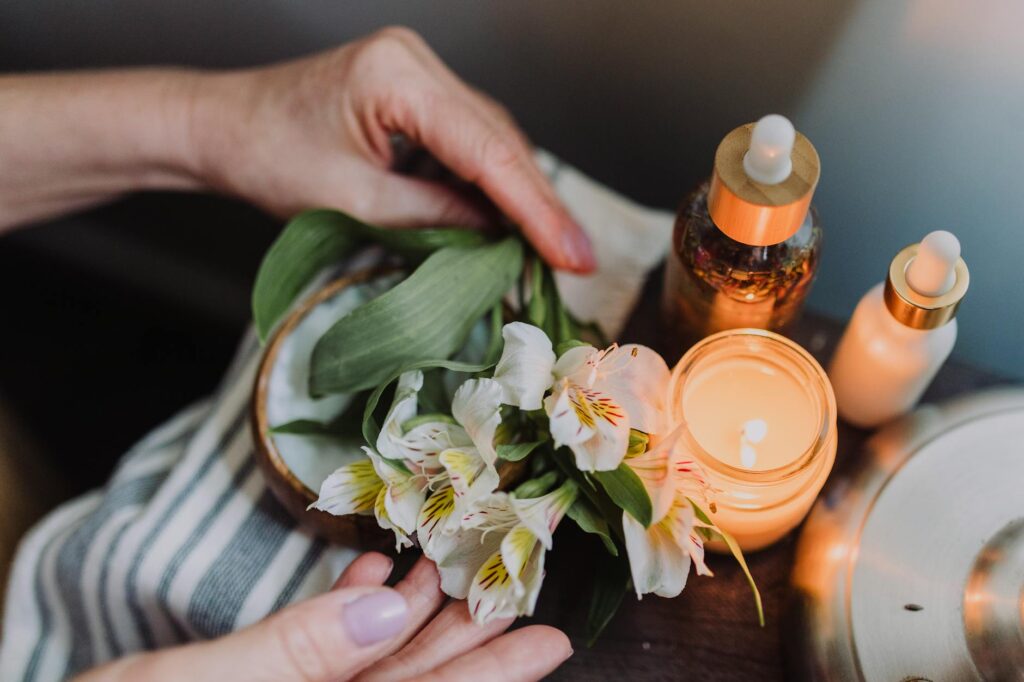
Aromatherapy Uses of Aromatherapy Blends for Skin Rejuvenation
Introduction
Aromatherapy, the practice of utilizing essential oils for therapeutic purposes, has gained significant popularity in recent years. Among its numerous applications, the use of aromatherapy blends for skin rejuvenation stands out as a natural and holistic approach to enhancing skin health and appearance. This article will explore what these blends are, their key benefits, common uses, methods of application, safety considerations, storage guidelines, and frequently asked questions.
What Are Aromatherapy Blends for Skin Rejuvenation?
Aromatherapy blends for skin rejuvenation consist of carefully selected essential oils mixed to promote skin health, vitality, and a youthful appearance. These blends often combine various oils known for their restorative properties, including nourishing, hydrating, and protective qualities. Common essential oils used in these blends include lavender, tea tree, frankincense, rose, and geranium, each celebrated for its unique benefits.
The formulation of these blends can vary widely based on individual skin types, concerns, and personal preferences. By harnessing the power of nature, aromatherapy blends aim to provide a gentle yet effective alternative to conventional skincare products.
Key Benefits and Properties
The benefits of aromatherapy blends for skin rejuvenation are numerous. Some of the key properties include:
1. Hydration: Many essential oils possess moisturizing properties that can help maintain skin hydration and elasticity. Oils such as jojoba, argan, and rosehip are often included for their nourishing capabilities.
2. Anti-Aging: Certain oils, like frankincense and myrrh, are renowned for their ability to reduce the appearance of fine lines and wrinkles. These oils promote cell regeneration and enhance skin tone, contributing to a more youthful appearance.
3. Antimicrobial Properties: Essential oils like tea tree and lavender have natural antimicrobial effects, helping to combat acne and other skin blemishes while promoting a clearer complexion.
4. Anti-Inflammatory Effects: Oils such as chamomile and helichrysum can help soothe irritated skin and reduce redness, making them ideal for sensitive or inflamed skin types.
5. Balancing Oil Production: Certain blends can help regulate sebum production, making them suitable for both oily and dry skin types.
6. Emotional Well-Being: The aromatic properties of essential oils can also promote relaxation and emotional balance, contributing to an overall sense of well-being that can reflect on the skin.
Common Uses
Aromatherapy blends for skin rejuvenation can be employed in various ways, tailoring their application to individual preferences and needs. Some common uses include:
1. Facial Serums: Combining essential oils with carrier oils, such as sweet almond or jojoba, creates a nourishing serum that can be applied directly to the face. These serums can help address specific skin concerns, from dryness to acne.
2. Moisturizers: Blending essential oils into creams or lotions enhances their hydrating effects, allowing for a more effective moisturizer tailored to specific skin types.
3. Face Masks: Incorporating essential oils into clay or yogurt-based face masks can provide additional benefits, such as detoxification and hydration.
4. Bath Oils: Adding essential oils to bathwater can create a soothing environment that aids in relaxation while also benefiting the skin.
5. Massage Oils: Using aromatherapy blends as massage oils can promote circulation and relaxation, further enhancing skin health.
6. Diffusion: While not a direct application to the skin, diffusing essential oils can improve mood and create a calming atmosphere that benefits overall skin health.
Aromatherapy Applications
When using aromatherapy blends for skin rejuvenation, several methods of application can be considered:
1. Topical Application
- Dilution: Essential oils should always be diluted with a carrier oil before applying to the skin to avoid irritation. A typical dilution ratio is 2-3 drops of essential oil per teaspoon of carrier oil.
- Patch Test: It is advisable to conduct a patch test on a small area of skin to check for any adverse reactions before widespread application.
- Diffusers: Using an essential oil diffuser can disperse the aroma throughout a room, promoting relaxation and enhancing emotional well-being.
- Inhalers: Personal inhalers can be created by adding essential oils to cotton wicks for on-the-go aromatherapy.
- Bath Salts: Blending essential oils with Epsom salts or sea salts can create a luxurious and therapeutic bath experience.
- Bath Oils: Adding essential oils to a carrier oil and mixing it into bathwater can provide both skin benefits and relaxation.
- Steam Treatments: Adding essential oils to a bowl of hot water can create a steam treatment that opens pores and enhances the absorption of beneficial properties.
- Facial Masks: Mixing essential oils into clay or yogurt-based masks can provide deep nourishment.
2. Inhalation
3. Bathing
4. Facial Treatments
Safety Considerations
While aromatherapy blends can offer numerous benefits, it is essential to approach their use with caution. Here are some safety considerations to keep in mind:
1. Skin Sensitivity: Some individuals may have sensitivities to certain essential oils. Always perform a patch test before extensive use.
2. Pregnancy and Nursing: Pregnant or nursing individuals should consult a healthcare professional before using essential oils, as some may not be safe during this time.
3. Allergies: Be aware of any allergies to specific plants or oils, as this could lead to adverse reactions.
4. Children and Pets: Certain essential oils may not be suitable for children or pets. It is crucial to research and consult appropriate sources before use.
5. Quality of Oils: The quality of essential oils can vary significantly. Opt for high-quality, pure oils from reputable sources to ensure safety and effectiveness.
Storage and Shelf Life
Proper storage of essential oils and aromatherapy blends is essential to maintain their efficacy and shelf life. Here are some guidelines:
1. Dark Glass Containers: Store essential oils in dark glass bottles to protect them from light, which can degrade their quality.
2. Cool, Dry Environment: Keep oils in a cool, dry place, away from direct sunlight and heat sources.
3. Expiration Dates: While essential oils do not have a strict expiration date, they can lose potency over time. Generally, most essential oils have a shelf life of 1-3 years, depending on the type.
4. Blends: Aromatherapy blends that contain carrier oils may have a shorter shelf life, usually around 6 months to 1 year. Check for any changes in smell or appearance before use.
Frequently Asked Questions
1. Can I use essential oils directly on my skin?
No, essential oils should always be diluted with a carrier oil before applying them to the skin to avoid irritation.
2. How often can I apply aromatherapy blends to my skin?
It depends on the blend and your skin type. Generally, applying blends 1-2 times a day is suitable for most individuals.
3. Can aromatherapy blends help with specific skin conditions?
While many essential oils have properties that can benefit specific skin concerns, it is essential to consult a professional for personalized advice.
4. Are there any essential oils I should avoid?
Certain oils, such as those that are phototoxic (like bergamot), should be used with caution, especially before sun exposure. Always research and consult before using new oils.
5. Can I create my own aromatherapy blends?
Yes, creating your own blends can be a rewarding experience. However, it is essential to research the properties and compatibility of different essential oils before blending.
Conclusion
Aromatherapy blends for skin rejuvenation offer a holistic approach to enhancing skin health and appearance. By harnessing the therapeutic properties of essential oils, these blends can provide hydration, balance, and rejuvenation. However, it is essential to approach their use with knowledge and caution, considering individual sensitivities and safety guidelines. With the right understanding and application, aromatherapy can become a cherished part of a natural skincare routine, promoting not only skin health but overall well-being.