
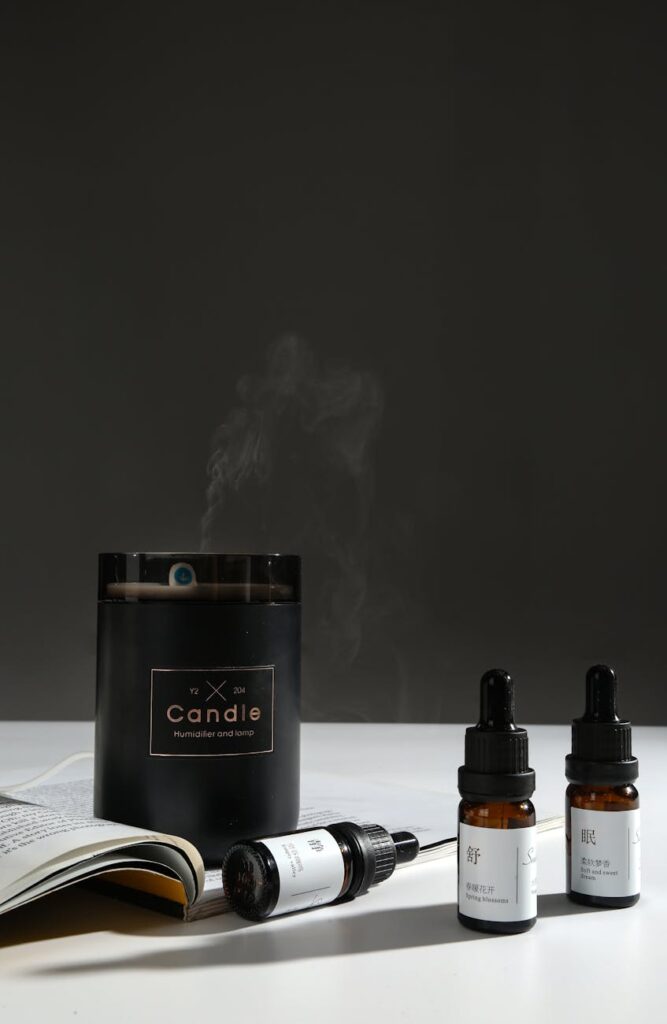
Aromatherapy Uses of Aromatherapy Blends for Sleep Quality Enhancement
Introduction
In our fast-paced modern world, achieving restorative sleep has become increasingly challenging for many individuals. Sleep is fundamental to overall well-being, influencing mood, cognitive performance, and physical health. Aromatherapy has emerged as a popular complementary approach for enhancing sleep quality, using essential oil blends to create a calming and conducive environment for rest. This article explores the concept of aromatherapy blends specifically designed for sleep enhancement, their benefits, common applications, and essential safety considerations.
What Is Aromatherapy Blends for Sleep Quality Enhancement?
Aromatherapy involves the use of aromatic plant extracts, or essential oils, to promote physical and emotional well-being. When blended thoughtfully, these oils can produce synergistic effects, amplifying their individual properties. Aromatherapy blends for sleep quality enhancement typically combine several essential oils known for their calming, sedative, and relaxing qualities. Common ingredients in these blends include lavender, chamomile, bergamot, and cedarwood, among others.
The goal of these blends is to create an atmosphere that encourages relaxation and tranquility, making it easier for individuals to fall asleep and improve the overall quality of their rest.
Key Benefits and Properties
1. Promotes Relaxation
Many essential oils used in sleep blends are renowned for their ability to soothe the mind and body. For instance, lavender oil has been shown to reduce anxiety and promote relaxation, making it a staple in sleep blends.
2. Reduces Sleep Disturbances
Certain oils can help mitigate sleep disturbances. Essential oils like chamomile and valerian root are traditionally used to promote restful sleep and may reduce instances of waking during the night.
3. Enhances Sleep Duration
Studies suggest that the calming effects of specific essential oils can extend the duration of sleep, allowing for deeper, more restorative rest. This is particularly beneficial for individuals struggling with insomnia or fragmented sleep patterns.
4. Supports Emotional Balance
Aromatherapy blends can also help regulate emotions and alleviate stress, which can be significant barriers to achieving quality sleep. Oils like bergamot and frankincense are often included for their uplifting properties.
Common Uses
Aromatherapy blends for sleep quality enhancement can be utilized in various ways to fit personal preferences and lifestyles. Here are some common applications:
1. Diffusion
Using an essential oil diffuser is one of the most effective methods for dispersing aromatic compounds into the air. Simply add a few drops of your chosen sleep blend to the diffuser, turn it on, and allow the soothing scents to fill the room before bedtime.
2. Topical Application
Diluting essential oils with a carrier oil and applying them to pulse points (such as the wrists, temples, or behind the ears) can enhance their calming effects. This method allows for the direct absorption of the oils while also benefiting from their aromatic properties.
3. Bathing
Adding a few drops of a sleep-enhancing blend to a warm bath can transform a nightly ritual into a relaxing escape. The warm water opens pores, allowing for better absorption of the essential oils while the steam carries the aroma throughout the bathroom.
4. Pillow Sprays
Creating a pillow spray by mixing essential oils with water and a small amount of alcohol in a spray bottle can provide a refreshing and calming scent as you prepare for sleep. Lightly misting your pillow and bedding can create a serene sleeping environment.
Aromatherapy Applications
1. Sleep-Inducing Blends
Consider the following essential oil combinations that are particularly effective for promoting sleep:
- Lavender and Bergamot: Lavender’s calming properties combined with bergamot’s mood-enhancing effects create a harmonious blend ideal for stress relief.
- Chamomile and Cedarwood: Chamomile is known for its calming effects, while cedarwood can promote a sense of grounding and security, making this blend perfect for bedtime rituals.
- Frankincense and Ylang-Ylang: Frankincense can help ease feelings of anxiety, while ylang-ylang promotes emotional stability, creating an environment conducive to deep sleep.
2. Customized Blends
Creating your own sleep blend can be a rewarding process. Consider your personal preferences and sensitivities when selecting essential oils. Start with a base oil like lavender, then add one or two other oils that you find soothing. Experimentation can yield a personalized blend that suits your unique needs.
Safety Considerations
While aromatherapy is generally safe when used appropriately, there are several important safety considerations to keep in mind:
1. Dilution
Essential oils are highly concentrated and should always be diluted before topical application. A common dilution ratio is 2-3 drops of essential oil per teaspoon of carrier oil.
2. Allergies and Sensitivities
Before using a new essential oil or blend, conduct a patch test to check for any allergic reactions. Discontinue use if you experience any irritation or adverse reactions.
3. Pregnancy and Nursing
Certain essential oils may not be safe for pregnant or nursing women. It is advisable to consult with a qualified professional before using aromatherapy blends during these times.
4. Children and Pets
Some essential oils can be toxic to children and pets. Ensure that the oils you choose are safe for use around animals and young children, and always store them out of reach.
Storage and Shelf Life
Proper storage of essential oils is crucial for maintaining their efficacy. Store oils in a cool, dark place away from direct sunlight and heat sources. Most essential oils have a shelf life of 1 to 3 years, though some oils may last longer. Always check for signs of degradation, such as changes in color or smell, before use.
Frequently Asked Questions
1. How long does it take for aromatherapy to work?
The effects of aromatherapy can vary by individual and method of application. Many people report feeling calmer shortly after inhaling the scents, while others may notice benefits over several days of consistent use.
2. Can I mix different essential oils?
Yes, blending different essential oils can create unique aromas and enhance their therapeutic effects. However, it’s important to research the properties of each oil to ensure compatibility and effectiveness.
3. How often should I use aromatherapy for sleep?
You can use aromatherapy daily as part of your bedtime routine. Consistent use may help reinforce relaxation and improve sleep quality over time.
4. Are there any essential oils to avoid when trying to sleep?
Some oils, like peppermint or citrus oils, can be stimulating and may not be ideal for use before bedtime. It’s best to stick to known calming oils for sleep enhancement.
5. Can aromatherapy replace medication for sleep disorders?
Aromatherapy should not be considered a substitute for medical treatment. It can be used as a complementary approach alongside other therapies but should not replace professional medical advice or treatment.
Conclusion
Aromatherapy blends for sleep quality enhancement present a natural and holistic approach to improving rest. By harnessing the unique properties of essential oils, individuals can create a calming environment that supports relaxation and restorative sleep. While incorporating aromatherapy into your nighttime routine, always prioritize safety and personal preferences to find what works best for you. As we continue to explore the benefits of natural remedies, aromatherapy stands out as a valuable tool in the quest for better sleep and overall well-being.