
Aromatherapy Uses of Aromatherapy Blends for Sleep Quality
Introduction
The quest for restful sleep has occupied humanity for centuries, leading to a plethora of remedies, rituals, and practices designed to enhance sleep quality. Among these, aromatherapy has emerged as a popular natural approach, leveraging the aromatic properties of essential oils to promote relaxation and improve sleep. This article delves into the concept of aromatherapy blends formulated specifically for sleep quality, exploring their benefits, applications, and practical considerations.
What Is Aromatherapy Blends for Sleep Quality?
Aromatherapy blends for sleep quality consist of carefully selected essential oils combined to create a synergistic effect that promotes relaxation and facilitates a restful night’s sleep. These blends typically incorporate oils known for their calming and sedative properties, such as lavender, chamomile, and bergamot. The goal is to harness the aromatic compounds found in these oils to influence the emotional and psychological states, ultimately leading to improved sleep.
Essential oils are extracted from various parts of plants, including flowers, leaves, stems, and roots, through methods such as steam distillation or cold pressing. The resulting concentrated oils contain the plant’s essence, embodying its fragrance and therapeutic qualities.
Key Benefits and Properties
The benefits of aromatherapy blends for sleep quality can be categorized under several key properties:
1. Calming Effects
Many essential oils have been shown to possess calming properties that can help alleviate stress and anxiety. Oils like lavender and chamomile are renowned for their ability to soothe the mind and promote a sense of tranquility.
2. Sleep Induction
Certain oils are known for their ability to induce sleep. For example, valerian root oil is often praised for its sedative effects, making it a popular choice in sleep blends.
3. Improved Sleep Quality
Aromatherapy blends can enhance the overall quality of sleep by promoting deeper and more restorative sleep cycles. This is particularly beneficial for individuals who may experience restless nights.
4. Mood Enhancement
The olfactory system is closely linked to the limbic system, which governs emotions. Aromatherapy blends can help elevate mood and create a positive environment conducive to sleep.
5. Non-Invasive and Natural
As a holistic practice, aromatherapy provides a non-invasive alternative to pharmaceuticals, making it appealing for those seeking natural solutions to sleep disturbances.
Common Uses
Aromatherapy blends for sleep quality can be utilized in various ways, depending on individual preferences and circumstances. Common applications include:
1. Diffusion
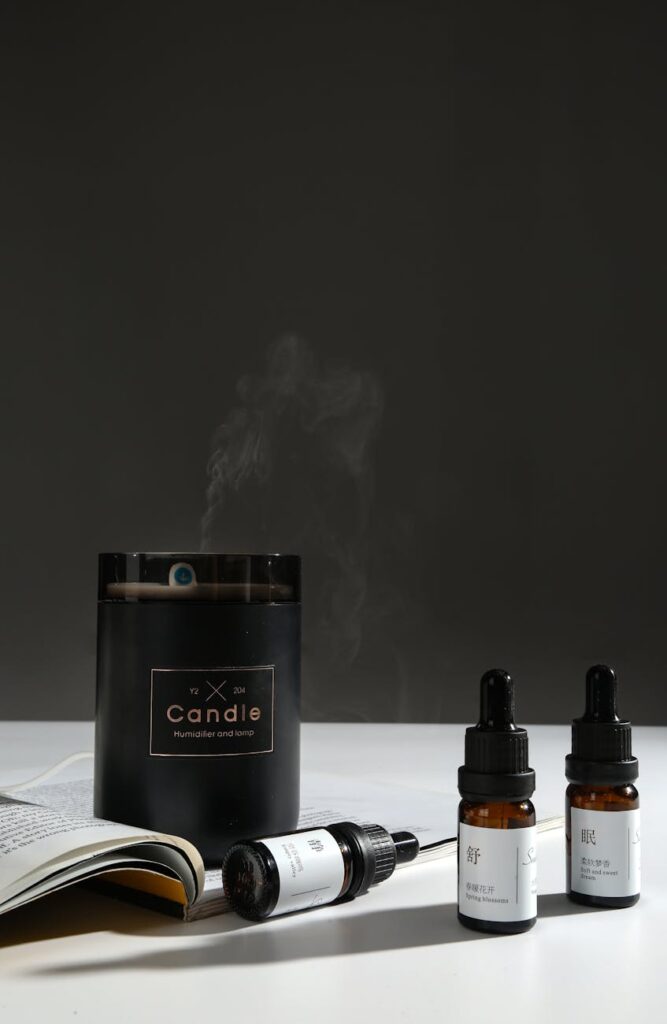
Using an essential oil diffuser is one of the most popular methods for dispersing the aroma of sleep blends throughout a room. This method allows for continuous exposure to the calming scents, creating a soothing environment conducive to sleep.
2. Topical Application
Diluting essential oils with a carrier oil and applying them to pulse points, such as wrists, temples, or behind the ears, can provide direct aromatic benefits. This method allows for a more personal and intimate experience with the oils.
3. Bath Soaks
Adding a few drops of an aromatherapy sleep blend to a warm bath can create a luxurious and relaxing experience. The warmth of the water combined with the aromatic oils can help unwind the body and mind.
4. Pillow Sprays
Creating a pillow spray using a sleep blend can be an effective way to infuse the sleeping environment with calming scents. Spraying a mist on pillows and sheets can promote relaxation before sleep.
5. Sleep Masks and Aromatherapy Packs
Incorporating essential oils into sleep masks or aromatherapy packs can provide localized scent therapy. These items can be placed over the eyes or on the body, allowing for direct inhalation of the aromas.
Aromatherapy Applications
Creating effective aromatherapy blends for sleep quality often involves combining multiple essential oils to harness their collective properties. Below are some common components of sleep blends:
1. Lavender (Lavandula angustifolia)
Renowned for its calming and soothing effects, lavender is one of the most widely used essential oils in sleep blends. Its floral aroma has been shown to reduce anxiety and promote relaxation.
2. Chamomile (Matricaria chamomilla)
Chamomile oil is known for its gentle sedative properties. Its sweet, apple-like scent can help ease tension and prepare the mind for sleep.
3. Bergamot (Citrus bergamia)
Bergamot oil has a citrusy aroma that is uplifting yet calming. It can help reduce feelings of stress and anxiety, making it a valuable addition to sleep blends.
4. Cedarwood (Cedrus atlantica)
With its warm, woody scent, cedarwood oil is often used to promote relaxation. It may help to create a grounding atmosphere, conducive to sleep.
5. Valerian (Valeriana officinalis)
Valerian root oil is known for its sedative properties and is often used in sleep formulations. Its earthy aroma can be calming and help to quiet racing thoughts.
6. Ylang Ylang (Cananga odorata)
This sweet, floral oil is known for its ability to relieve stress and anxiety. Its calming properties can help create a peaceful bedtime environment.
7. Frankincense (Boswellia carterii)
Frankincense has a rich, resinous scent that can promote deep relaxation and spiritual grounding, making it an excellent companion in sleep blends.
Safety Considerations
When using aromatherapy blends for sleep quality, it is essential to consider safety measures to ensure a positive experience:
1. Dilution
Always dilute essential oils with a carrier oil before topical application to avoid skin irritation. Common carrier oils include almond oil, coconut oil, and jojoba oil.
2. Allergies and Sensitivities
Conduct a patch test before using any new essential oil to check for allergic reactions or sensitivities. If irritation occurs, discontinue use immediately.
3. Pregnancy and Medical Conditions
Individuals who are pregnant, nursing, or have specific medical conditions should consult a qualified professional before using essential oils.
4. Pets
Some essential oils can be toxic to pets. It is advisable to research and ensure that any oils used in the home are safe for animal companions.
Storage and Shelf Life
Proper storage of essential oils is crucial for maintaining their potency and efficacy. Here are some guidelines:
1. Dark Glass Containers
Store essential oils in dark glass bottles to protect them from sunlight and heat, which can degrade their quality.
2. Cool, Dry Place
Keep essential oils in a cool, dry location, away from direct sunlight and humidity. This helps to prolong their shelf life.
3. Shelf Life
The shelf life of essential oils varies based on the type of oil and storage conditions. Generally, most essential oils remain effective for 1-3 years, while some oils like citrus oils may have shorter shelf lives.
Frequently Asked Questions
1. How do I create my own sleep blend?
To create a sleep blend, choose a combination of essential oils known for their calming properties. A general guideline is to use 3-5 drops of each oil in a carrier oil for topical application or to blend in a diffuser.
2. Can I mix different essential oils?
Yes, many essential oils can be blended together to create a unique and personalized aroma. Experimenting with different combinations can lead to discovering your ideal blend.
3. How long before bed should I use aromatherapy?
It is generally recommended to use aromatherapy 30-60 minutes before bedtime to allow the calming effects to take hold and prepare the mind for sleep.
4. Are there any essential oils to avoid at night?
Some essential oils, such as those with stimulating properties like peppermint or citrus oils, may be better suited for daytime use. Choose oils known for their calming effects for nighttime applications.
5. Can aromatherapy replace sleep medications?
While aromatherapy can be a helpful addition to a sleep routine, it should not be viewed as a replacement for medications prescribed by healthcare professionals. Always consult a qualified practitioner for medical advice.
Conclusion
Aromatherapy blends for sleep quality offer a natural and holistic approach to improving sleep. By harnessing the calming properties of essential oils, individuals can create personalized blends that promote relaxation and a restful night’s sleep. Whether through diffusion, topical application, or other methods, these blends can play a valuable role in enhancing overall well-being and sleep hygiene. As with any holistic practice, it is essential to approach aromatherapy with mindfulness and consideration for individual needs and circumstances.