
Aromatherapy Uses of Aromatherapy Blends for Travel Wellness
Introduction
Traveling can be an exhilarating experience, offering a chance to explore new cultures, cuisines, and landscapes. However, it can also bring about various challenges, including fatigue, stress, and discomfort. Aromatherapy, the use of essential oils for therapeutic purposes, has gained traction as an effective means to enhance well-being during travel. This article delves into the concept of aromatherapy blends specifically designed for travel wellness, exploring their benefits, common applications, and important safety considerations.
What Is Aromatherapy Blends for Travel Wellness?
Aromatherapy blends for travel wellness involve the combination of essential oils tailored to address the unique needs and challenges associated with travel. These blends may be crafted to alleviate stress, promote relaxation, boost energy levels, or provide relief from common travel-related ailments such as nausea or jet lag. Essential oils are extracted from various plants, and their aromatic compounds can influence mood, mental clarity, and overall physical well-being.
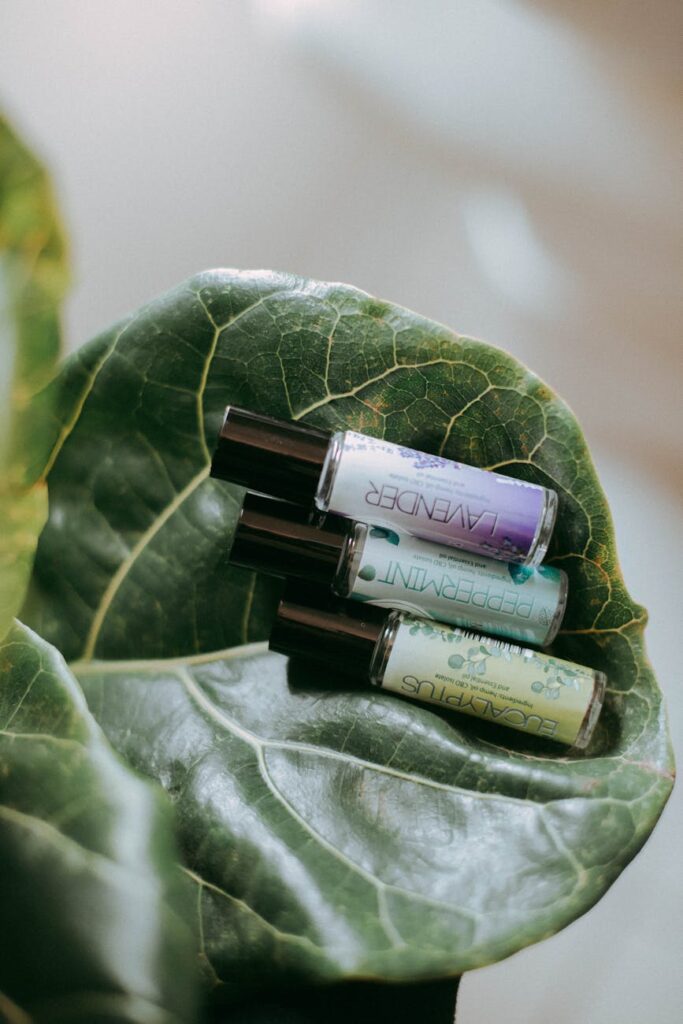
The process of creating an aromatherapy blend generally involves selecting complementary essential oils that work synergistically. For example, a blend may combine calming oils like lavender with invigorating oils like peppermint to create a balanced effect that addresses both relaxation and alertness.
Key Benefits and Properties
The benefits of using aromatherapy blends during travel can be vast. Here are some of the key properties and advantages associated with these blends:
Stress Relief
Travel can often provoke anxiety, whether due to flight delays, unfamiliar environments, or tight schedules. Essential oils like lavender and chamomile are known for their calming properties, helping to soothe nerves and promote a sense of tranquility.
Energy Boost
Long journeys can lead to feelings of fatigue. Essential oils such as citrus (e.g., lemon, orange) and peppermint can help invigorate the senses and provide a refreshing lift, making them ideal for combating travel fatigue.
Nausea Relief
Motion sickness and nausea are common travel-related issues. Ginger and peppermint oils are often used to help mitigate these symptoms, providing a natural alternative for relief.
Immune Support
Travel exposes individuals to various environments and germs, potentially compromising the immune system. Essential oils like tea tree and eucalyptus possess antimicrobial properties and can be beneficial in maintaining wellness while traveling.
Sleep Aid
Different time zones and unfamiliar sleeping arrangements can disrupt normal sleep patterns. Blends that include oils such as lavender and bergamot can promote relaxation, making it easier to wind down and achieve restful sleep.
Common Uses
Aromatherapy blends for travel wellness can be used in several ways:
Inhalation
One of the simplest and most effective methods of using aromatherapy blends is through inhalation. Travelers can add a few drops of their chosen blend to a tissue, cotton ball, or personal inhaler. Inhaling the aroma can quickly induce the desired effects.
Diffusion
Portable diffusers are available for travelers, allowing them to disperse essential oils into the air. This method is particularly effective for creating a calming environment in hotel rooms or during long flights.
Topical Application
Diluted essential oils can be applied topically on pulse points, such as the wrists or behind the ears. Blends that combine carrier oils (like coconut or jojoba) with essential oils can be used safely on the skin, providing localized effects.
Bathing
For those with access to a bathtub, a few drops of a travel wellness blend can be added to warm bathwater for a soothing experience. This method is particularly beneficial for relaxation after a long journey.
Aromatherapy Applications
Pre-Travel Preparation
Before embarking on a trip, it can be beneficial to use calming blends to ease any pre-travel anxiety. A blend of lavender and frankincense applied topically or diffused can create a peaceful atmosphere, setting a positive tone for the journey ahead.
On-The-Flight Relief
Long flights can be particularly stressful. A blend of peppermint and lemon can be useful for maintaining alertness, while lavender and chamomile can help promote relaxation during the flight. Applying these blends to pulse points or using an inhaler can provide immediate relief.
Jet Lag Recovery
Upon arrival at a new destination, many travelers experience jet lag. A blend containing bergamot and chamomile may assist in restoring balance and promoting restful sleep, while invigorating oils can help awaken the senses during the day.
Road Trip Comfort
For those traveling by car, a portable diffuser can be used to create a pleasant atmosphere. Blends that include citrus oils or ginger can help combat fatigue and nausea during long journeys.
Safety Considerations
While aromatherapy can offer many benefits, it is essential to use essential oils safely, especially when traveling. Here are some important safety considerations:
Dilution
Essential oils are highly concentrated and should always be diluted before topical application. A common ratio is to mix 1-2 drops of essential oil with a carrier oil (such as jojoba or almond oil) before applying it to the skin.
Allergies and Sensitivities
Individuals should conduct a patch test before using a new essential oil to ensure there are no adverse reactions. If irritation occurs, discontinue use immediately.
Pregnancy and Medical Conditions
Certain essential oils may not be suitable for pregnant individuals or those with specific medical conditions. It is critical to research or consult a knowledgeable professional before using essential oils in these cases.
Storage
Essential oils should be stored in dark glass bottles away from direct sunlight to maintain their potency. Travelers should also ensure that bottles are securely closed to prevent leaks during transport.
Storage and Shelf Life
Essential oils typically have a long shelf life, ranging from 1 to 5 years, depending on the type of oil and its storage conditions. To maximize the shelf life of aromatherapy blends:
- Store in a cool, dark place.
- Keep bottles tightly sealed.
- Avoid exposure to heat or light.
It is advisable to label blends with the date of creation to keep track of their freshness.
Frequently Asked Questions
Can I use any essential oil for travel blends?
While many essential oils can be beneficial, it is best to select oils that are known for their specific properties related to travel wellness, such as lavender for relaxation or peppermint for energy.
How do I choose a blend for my specific travel needs?
Consider your travel challenges, such as anxiety, fatigue, or nausea, and select oils known to address those needs. You can also create personalized blends by combining oils that resonate with you.
Are there any essential oils to avoid while traveling?
Certain essential oils, like those that are phototoxic (e.g., some citrus oils), should be used cautiously, especially if exposure to sunlight is anticipated after application.
Can I bring essential oils on a plane?
Yes, but travelers should adhere to TSA regulations regarding liquids. Ensure that bottles are under the allowed limit and stored in a clear, resealable plastic bag.
Can children and pets use aromatherapy blends?
Consult with a knowledgeable professional before using essential oils around children or pets, as some oils can be harmful to them.
Conclusion
Aromatherapy blends for travel wellness can be a valuable addition to your travel toolkit. With their ability to promote relaxation, boost energy, and alleviate common travel discomforts, these blends can enhance your overall travel experience. By understanding the benefits, common applications, and safety considerations associated with these blends, travelers can effectively integrate aromatherapy into their journeys, ensuring a more enjoyable and balanced adventure.