
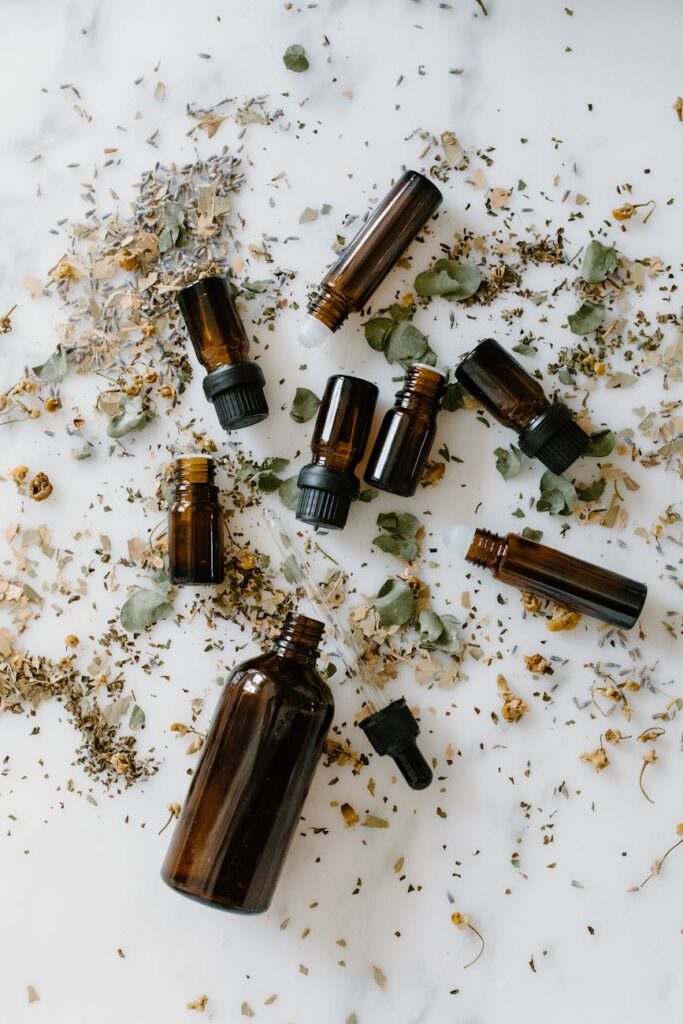
Aromatherapy Uses of Aromatherapy for Anxiety Relief Blends
Introduction
In an increasingly fast-paced world, many individuals are seeking holistic approaches to support their emotional well-being. Aromatherapy, a practice that utilizes essential oils derived from plants, has gained traction as a complementary method for managing anxiety. This article explores the uses of aromatherapy blends specifically designed for anxiety relief, highlighting their benefits, applications, and safety considerations.
What Is Aromatherapy for Anxiety Relief Blends?
Aromatherapy involves the inhalation or topical application of essential oils to promote physical and emotional health. When it comes to anxiety relief, specific blends of essential oils are formulated to help soothe the mind, reduce stress, and promote a sense of calm. These blends often consist of oils known for their anxiolytic (anxiety-reducing) properties, including lavender, chamomile, bergamot, and ylang-ylang.
The practice is rooted in the understanding that the scent of certain essential oils can influence mood and mental state. When inhaled, these aromas interact with the brain’s limbic system, which plays a crucial role in emotions and memory.
Key Benefits and Properties
Aromatherapy blends for anxiety relief are celebrated for their numerous benefits, including:
1. Calming Effects: Many essential oils have sedative properties that can help induce relaxation and reduce feelings of anxiety.
2. Mood Enhancement: Certain oils can elevate mood and create a sense of well-being, counteracting feelings of stress or sadness.
3. Improved Sleep: Aromatherapy may promote better sleep quality by calming racing thoughts and reducing anxiety, making it particularly beneficial for those who experience insomnia linked to stress.
4. Mindfulness and Grounding: The practice of aromatherapy can help individuals remain present and mindful, encouraging a deeper connection to the moment.
5. Enhanced Focus: Some blends may help clear mental fog and improve concentration, making it easier to tackle daily tasks.
Common Uses
Aromatherapy blends for anxiety relief can be adapted for various situations and environments. Common uses include:
- Personal Inhalers: Portable inhalers allow individuals to carry their favorite blends and use them as needed throughout the day.
- Diffusion: Using a diffuser in home or work environments can release essential oils into the air, creating a calming atmosphere.
- Topical Application: Combining essential oils with carrier oils for massage or localized application can provide both aromatic and therapeutic effects.
- Baths: Adding essential oils to bathwater can create a soothing experience that promotes relaxation.
- Sleep Aids: Creating a calming bedtime routine with essential oils can facilitate better sleep quality.
- Direct Inhalation: Placing a few drops of essential oil on a tissue or cotton ball and inhaling deeply.
- Diffusion: Using an essential oil diffuser to disperse the aroma throughout a room. This can be particularly effective during meditation or relaxation sessions.
- Massage: Gently massaging blends into the neck, shoulders, and wrists can provide physical and emotional relief.
- Pulse Points: Applying diluted oils to pulse points (like wrists, behind the ears, or on the temples) can offer continuous, subtle aromatherapy throughout the day.
- Bath Salts: Mixing essential oils with Epsom salts or sea salts before adding them to a warm bath can create a calming experience.
- Bath Oils: Creating a bath oil blend by combining essential oils with a carrier oil can help soothe the body and mind.
- Bedtime Diffusion: Using a diffuser in the bedroom before sleep can create a serene environment.
- Pillow Sprays: Creating a linen spray with calming essential oils can help prepare the mind for rest.
- Cool, Dark Place: Store oils in a cool, dark location, away from direct sunlight and heat sources to prevent degradation.
- Tightly Sealed Bottles: Ensure that bottles are tightly sealed to prevent evaporation and contamination.
- Shelf Life: While many essential oils can last for several years, their shelf life varies. Citrus oils may have a shorter shelf life (1-2 years), while oils like sandalwood and patchouli can last longer (up to 5-10 years).
Aromatherapy Applications
1. Inhalation Techniques
Inhalation is one of the simplest and most effective methods for utilizing essential oils. This can be done through:
2. Topical Application
For localized effects, essential oils can be diluted in a carrier oil such as jojoba or sweet almond oil. Common applications include:
3. Bathing Rituals
Incorporating essential oils into bath rituals can enhance relaxation. Recommended practices include:
4. Sleep Enhancements
For those struggling with sleep due to anxiety, specific blends can be particularly beneficial. Recommended practices include:
Safety Considerations
While aromatherapy is generally considered safe, it is important to adhere to certain precautions:
1. Dilution: Essential oils should always be diluted in a carrier oil before topical application to prevent skin irritation.
2. Patch Tests: Performing a patch test on a small area of skin can help determine sensitivity or allergic reactions.
3. Pregnancy and Nursing: Pregnant or nursing individuals should consult a qualified aromatherapy practitioner before using essential oils, as some may not be suitable.
4. Medical Conditions: Individuals with certain medical conditions or those taking specific medications should seek guidance from a healthcare provider before using essential oils.
5. Quality of Oils: It is essential to use high-quality, pure essential oils from reputable sources to ensure safety and effectiveness.
Storage and Shelf Life
Proper storage of essential oils is crucial for maintaining their potency and effectiveness. Recommendations include:
Frequently Asked Questions
Q1: Can aromatherapy replace traditional treatments for anxiety?
While aromatherapy can be a beneficial complementary approach, it is not a substitute for professional medical treatment. Individuals experiencing severe anxiety should consult healthcare professionals for appropriate care.
Q2: How do I choose the right essential oils for anxiety relief?
Selecting essential oils often depends on personal preferences and individual responses. Popular choices for anxiety relief include lavender, chamomile, bergamot, and frankincense. Exploring various blends and observing their effects can help identify the most suitable options.
Q3: Are there any essential oils to avoid?
Certain essential oils may not be suitable for everyone, especially those with specific health conditions or sensitivities. It is advisable to research and consult with professionals regarding oils that may cause adverse reactions.
Q4: How can I incorporate aromatherapy into my daily routine?
Incorporating aromatherapy into daily life can be as simple as using a diffuser at home, carrying a personal inhaler, or applying a calming blend during moments of stress. Establishing a routine that resonates with individual needs can enhance emotional well-being.
Q5: Can I create my own anxiety relief blends?
Yes, creating personalized blends can be a rewarding experience. Researching essential oils and experimenting with different ratios can lead to unique blends tailored to individual preferences and needs.
Conclusion
Aromatherapy for anxiety relief offers an array of benefits and applications that can support emotional well-being. By understanding the properties of various essential oils and how to use them safely, individuals can create a calming atmosphere that fosters relaxation and mindfulness. As with any holistic practice, it is essential to approach aromatherapy with an open mind and a commitment to self-care, ensuring that it complements an overall strategy for managing anxiety.