
Aromatherapy Uses of Aromatherapy for Burnout Recovery Blends
Introduction
In today’s fast-paced world, burnout has become a prevalent issue, affecting individuals across various professions and lifestyles. Characterized by emotional, physical, and mental exhaustion, burnout can significantly impact one’s overall well-being. Aromatherapy, the therapeutic use of essential oils, offers a holistic approach to assist in recovery from burnout. This article explores the uses, benefits, and applications of aromatherapy blends designed specifically for burnout recovery.
What Is Aromatherapy for Burnout Recovery Blends?
Aromatherapy involves the use of essential oils extracted from plants to promote physical, emotional, and mental well-being. For burnout recovery, specific essential oils are combined to create blends that target symptoms such as stress, anxiety, fatigue, and lack of focus. These blends can be used in various ways to enhance mood, reduce tension, and restore a sense of balance.
Burnout recovery blends typically incorporate oils known for their calming, uplifting, and rejuvenating properties. Common essential oils used in these blends include lavender, bergamot, frankincense, and geranium, among others. The synergistic effect of combining these oils can amplify their individual benefits, creating a more profound impact on emotional and mental health.
Key Benefits and Properties
The essential oils used in burnout recovery blends possess a range of therapeutic properties. Below are some key benefits associated with commonly used oils:
1. Lavender (Lavandula angustifolia)
Lavender is renowned for its calming effects, making it ideal for reducing anxiety and promoting restful sleep. It can help alleviate feelings of stress and tension, fostering a sense of relaxation.
2. Bergamot (Citrus bergamia)
Bergamot has a refreshing citrus aroma that uplifts the spirit and alleviates feelings of sadness. It is known to reduce anxiety and improve mood, making it a popular choice in blends aimed at combating burnout.
3. Frankincense (Boswellia carterii)
Frankincense has grounding properties that can help center the mind and enhance emotional clarity. Its warm, earthy scent is believed to promote inner peace and reduce feelings of overwhelm.
4. Geranium (Pelargonium graveolens)
Geranium oil is often used to balance emotions and reduce stress. Its floral aroma can foster feelings of harmony and well-being, making it a valuable addition to burnout recovery blends.
5. Ylang Ylang (Cananga odorata)
Ylang Ylang is known for its sweet, floral scent that promotes relaxation and reduces stress. It can also help lower blood pressure and elevate mood, contributing to overall emotional balance.
Common Uses
Aromatherapy blends for burnout recovery can be used in various ways, depending on individual preferences and circumstances. Here are some common applications:
1. Diffusion
Using an essential oil diffuser is one of the most popular methods for enjoying the benefits of aromatherapy. By adding a few drops of a burnout recovery blend to a diffuser, you can fill a room with calming scents that promote relaxation and reduce stress.
2. Inhalation
For a quick boost during a stressful moment, inhaling essential oil blends directly from the bottle or applying a diluted blend to a handkerchief can provide immediate relief. This method allows for direct exposure to the oils, facilitating rapid absorption through the respiratory system.
3. Topical Application
Diluting essential oils in a carrier oil (such as jojoba, sweet almond, or coconut oil) allows for safe topical application. Massaging the blend onto pulse points, such as wrists and temples, can enhance its calming effects.
4. Bathing
Adding a few drops of a burnout recovery blend to a warm bath can create a soothing experience. The steam from the water will help disperse the oils, providing both inhalation benefits and skin absorption.
5. Massage
Incorporating essential oil blends into massage therapy can enhance relaxation and alleviate physical tension. A trained massage therapist can use these blends effectively to address both physical and emotional concerns.
Aromatherapy Applications
Creating effective burnout recovery blends requires an understanding of how various essential oils work together. Here are some suggested blends that can be easily prepared:
1. Calming Blend
- 5 drops Lavender
- 3 drops Bergamot
- 2 drops Frankincense
- 4 drops Bergamot
- 3 drops Ylang Ylang
- 2 drops Geranium
- 4 drops Frankincense
- 3 drops Lavender
- 2 drops Cedarwood (Cedrus atlantica)
- 4 drops Peppermint (Mentha piperita)
- 3 drops Lemon (Citrus limon)
- 2 drops Rosemary (Rosmarinus officinalis)
- Dilution: Always dilute essential oils before applying them to the skin. A common dilution ratio is 2-3 drops of essential oil per teaspoon of carrier oil.
- Allergic Reactions: Conduct a patch test before using a new essential oil blend on the skin to check for potential allergic reactions.
- Pregnancy and Medical Conditions: Pregnant individuals or those with medical conditions should consult a healthcare professional prior to using essential oils, as some oils may be contraindicated.
- Quality of Essential Oils: Use high-quality, pure essential oils from reputable sources to ensure safety and efficacy.
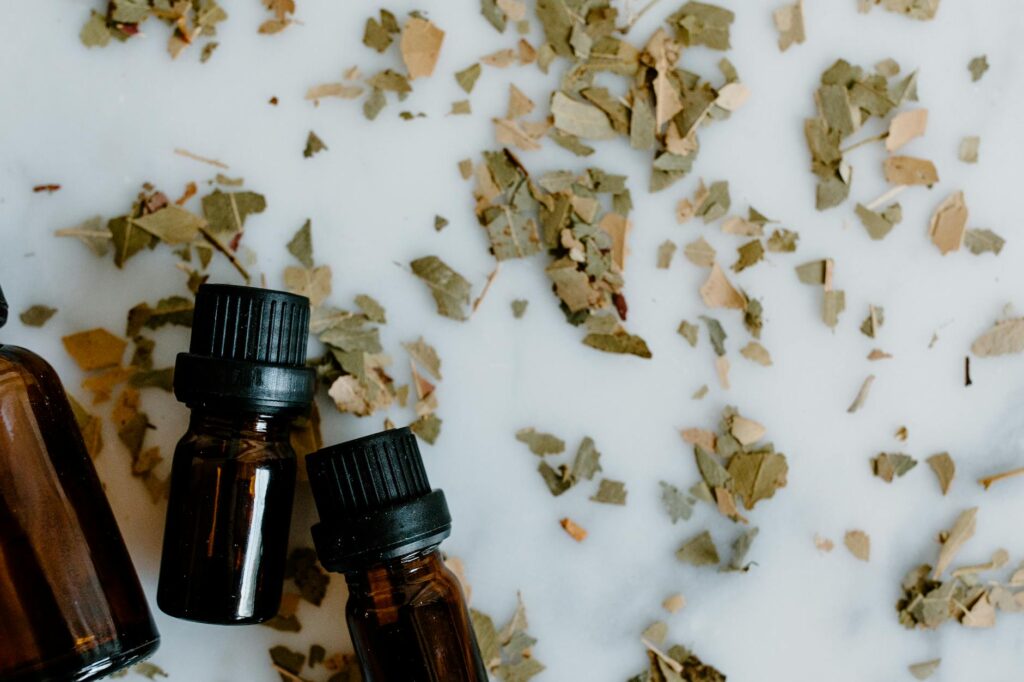
- Storage: Keep essential oils in a cool, dark place, away from direct sunlight. Amber glass bottles are ideal for preserving the integrity of the oils.
- Shelf Life: The shelf life of essential oils varies; generally, citrus oils have a shorter shelf life (1-2 years), while oils like sandalwood and patchouli can last up to 5 years or more. Always check for changes in aroma, appearance, or viscosity to determine if an oil is still good to use.
This blend can be used in a diffuser or added to a bath for a calming experience.
2. Uplifting Blend
This blend is ideal for use in personal inhalers or during an aromatherapy massage.
3. Grounding Blend
This blend can help center the mind and promote a sense of inner peace when diffused or applied topically.
4. Energizing Blend
Ideal for combating fatigue, this blend can be used during work or study sessions to enhance focus.
Safety Considerations
While aromatherapy is generally considered safe, there are important safety precautions to keep in mind:
Storage and Shelf Life
To maintain the potency of essential oils, proper storage is essential. Here are some tips:
Frequently Asked Questions
1. Can aromatherapy completely eliminate burnout?
While aromatherapy can be a useful tool for managing stress and promoting relaxation, it is not a cure for burnout. It should be used in conjunction with other self-care practices and lifestyle changes.
2. How often should I use aromatherapy for burnout recovery?
The frequency of use depends on individual preferences and needs. Many people find daily use beneficial, while others may use it only during particularly stressful periods.
3. Are there any essential oils to avoid?
Certain essential oils may have contraindications, especially for pregnant individuals or those with specific health conditions. It is advisable to research and consult with a knowledgeable professional if unsure.
4. Can I create my own blends?
Yes, creating your own aromatherapy blends can be a rewarding experience. Start with a few oils that resonate with you, and experiment with different ratios to find what works best for your needs.
Conclusion
Aromatherapy can play a significant role in the recovery process for individuals experiencing burnout. By utilizing specific essential oil blends, one can foster a sense of calm, uplift mood, and promote emotional balance. As with any holistic approach, it is essential to consider individual needs and preferences, ensuring that aromatherapy complements a broader strategy for managing stress and enhancing overall well-being. With the right knowledge and care, aromatherapy can be a valuable ally in the journey toward recovery from burnout.