
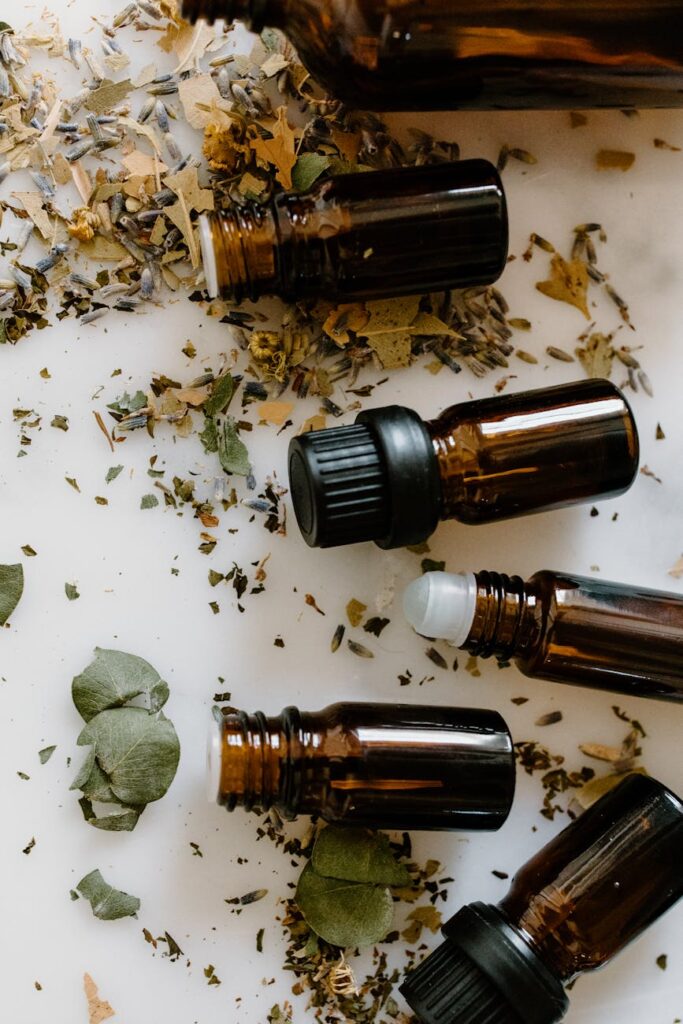
Aromatherapy Uses of Aromatherapy for Digestive Health Blends
Introduction
Aromatherapy, a holistic healing practice that utilizes essential oils derived from plants, has gained recognition for its potential benefits in various areas of health and well-being. Among these, digestive health is a prominent focus, as many individuals seek natural alternatives to support their digestive systems. This article delves into the world of aromatherapy for digestive health blends, exploring its benefits, applications, and safety considerations.
What Is Aromatherapy for Digestive Health Blends?
Aromatherapy for digestive health blends refers to the use of specific essential oils formulated to promote digestive wellness. These blends often incorporate oils known for their soothing, calming, and digestive-supportive properties. The practice involves inhalation or topical application of these oils to influence physical and emotional well-being, particularly related to the digestive system.
Essential oils can be extracted from various parts of plants, including leaves, flowers, stems, and roots. When inhaled or applied topically, they interact with the body’s olfactory system and skin, potentially influencing mood, mental clarity, and physical responses.
Key Benefits and Properties
The benefits of aromatherapy for digestive health are multi-faceted, encompassing physical, emotional, and psychological aspects. Here are some key properties of essential oils commonly used in digestive health blends:
1. Carminative Properties: Oils such as peppermint and fennel are known for their ability to relieve gas and bloating, making them effective for soothing digestive discomfort.
2. Antispasmodic Effects: Essential oils like chamomile and ginger may help relax the muscles of the gastrointestinal tract, alleviating cramps and spasms.
3. Digestive Stimulation: Citrus oils, such as lemon and bergamot, are believed to stimulate digestive juices, enhancing overall digestion and nutrient absorption.
4. Calming Effects: Oils like lavender and chamomile can help reduce stress and anxiety, which are often linked to digestive issues.
5. Antimicrobial Properties: Some essential oils, including oregano and tea tree oil, possess antimicrobial properties that may help maintain a healthy gut flora.
Common Uses
Aromatherapy blends for digestive health can be utilized in various ways, including:
- Supporting Digestion: Essential oils can be blended into a carrier oil and massaged onto the abdomen to provide relief from digestive discomfort.
- Promoting Relaxation: Inhalation of calming essential oils can help reduce stress, which may indirectly support digestive health.
- Aiding Nausea: Certain oils, such as ginger and peppermint, are often used to alleviate feelings of nausea, making them beneficial during travel or after a heavy meal.
- Enhancing Mood: The uplifting properties of citrus oils can improve mood and promote a positive outlook, which can be particularly helpful for those experiencing digestive distress related to emotional factors.
- Diffusion: Using an essential oil diffuser, you can disperse the aroma of your chosen blend throughout a room, creating a calming environment conducive to digestion.
- Direct Inhalation: Placing a few drops of an essential oil on a tissue or in the palm of your hand and inhaling deeply can provide immediate relief.
- Abdominal Massage: Mixing essential oils with a carrier oil and gently massaging the blend into the abdomen can help alleviate discomfort and promote digestive health.
- Compresses: Soaking a cloth in warm water mixed with essential oils can create a soothing compress, which can be applied to the abdomen for relief.
- Dilution: Always dilute essential oils in a carrier oil before topical application to minimize skin irritation.
- Patch Testing: Conduct a patch test by applying a diluted oil to a small area of skin to check for sensitivity or allergic reactions.
- Quality of Essential Oils: Use high-quality, pure essential oils from reputable sources to ensure safety and effectiveness.
- Avoiding Certain Oils: Some essential oils may not be suitable for pregnant or breastfeeding women, children, or individuals with specific health conditions. It is essential to research and choose oils wisely.
- Consulting Professionals: While this article provides general information, consulting a qualified aromatherapist or healthcare provider can offer personalized guidance.
- Keep Away from Light: Store essential oils in dark glass bottles to protect them from light, which can degrade their quality.
- Cool, Dry Place: Store oils in a cool, dry environment, away from heat sources and humidity.
- Check Expiration Dates: Most essential oils have a shelf life of 1 to 5 years, depending on the type. Always check for changes in aroma or consistency before use.
Aromatherapy Applications
There are several methods of applying aromatherapy for digestive health blends, each with its unique advantages:
Inhalation
Inhalation is one of the simplest and most effective ways to experience the benefits of essential oils. This can be done through:
Topical Application
When using essential oils topically, they should always be diluted with a carrier oil (such as jojoba, sweet almond, or coconut oil) to prevent skin irritation. Popular applications include:
Bathing
Adding essential oils to a warm bath can create a relaxing environment that promotes overall well-being. Be sure to dilute oils in a carrier oil or bath salt before adding them to the bathwater to prevent skin irritation.
Aromatherapy Rollers
Pre-made or homemade roll-on blends can be applied to pulse points, providing a convenient way to access the benefits of aromatherapy throughout the day.
Safety Considerations
While essential oils are natural, they are also potent substances that can cause adverse reactions if misused. Here are some safety considerations to keep in mind:
Storage and Shelf Life
To ensure the longevity and effectiveness of essential oils, proper storage is essential. Here are some tips for storing your oils:
Frequently Asked Questions
Can I ingest essential oils for digestive health?
Ingesting essential oils should only be done under the guidance of a qualified healthcare professional. Many essential oils are not safe for consumption and can cause adverse reactions.
How often can I use aromatherapy for digestive health?
The frequency of use can vary depending on individual preferences and sensitivities. It is advisable to start with a small amount and adjust as necessary, ensuring that you do not experience any adverse reactions.
Are there any essential oils to avoid for digestive health?
Certain essential oils, such as those that are highly irritating or those that are not recommended for specific populations (like pregnant women or young children), should be avoided. Always conduct thorough research or consult a professional.
Can aromatherapy replace conventional treatments for digestive issues?
Aromatherapy can be a complementary approach to digestive health, but it should not replace conventional treatments or medical advice. Always consult a healthcare provider for any persistent digestive concerns.
How do I create my own digestive health blend?
To create a digestive health blend, select essential oils known for their digestive benefits (like peppermint, ginger, and lavender). Combine a few drops of each oil with a carrier oil for topical use or water for diffusion. Experiment with different ratios to find what works best for you.
Conclusion
Aromatherapy for digestive health blends offers a natural and holistic approach to supporting digestive well-being. By understanding the properties and applications of various essential oils, individuals can create personalized blends that cater to their specific needs. As with any complementary practice, it is essential to approach aromatherapy with caution and awareness, ensuring safety and quality in all applications.