
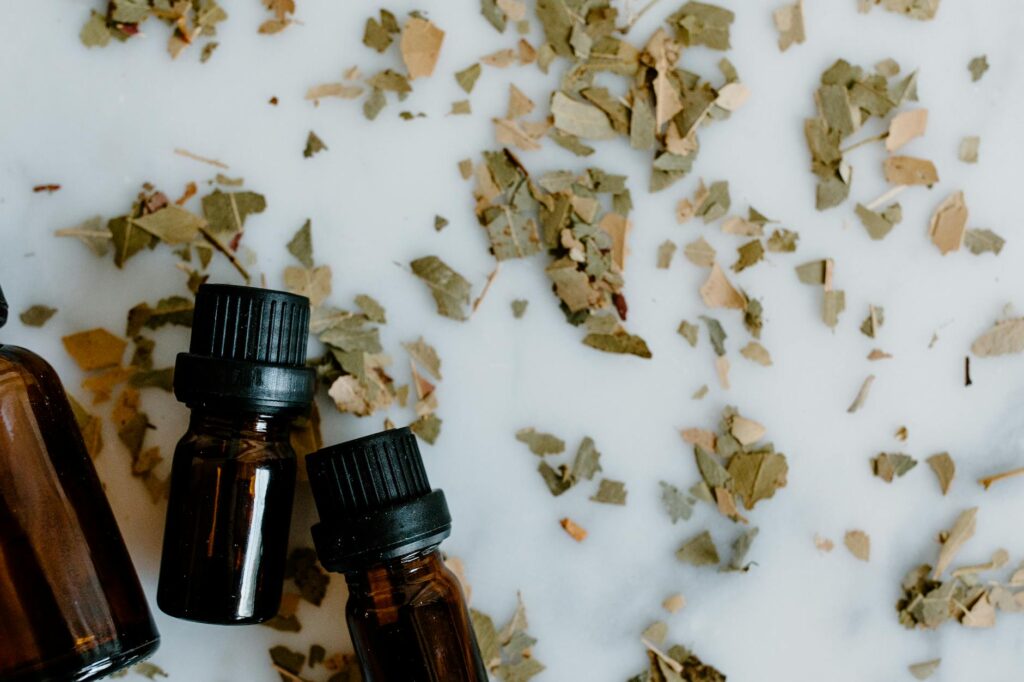
Aromatherapy Uses of Aromatherapy for Emotional Support during Change Blends
Introduction
Aromatherapy, the practice of using essential oils for therapeutic benefits, has gained popularity around the globe as a natural method for enhancing emotional well-being. In times of transition—whether due to life changes like moving, career shifts, or personal growth—individuals may experience a range of emotions including anxiety, stress, and uncertainty. Aromatherapy blends specifically designed for emotional support during these periods can offer comfort and reassurance. This article explores what these blends are, their benefits, common applications, and how to safely incorporate them into daily life.
What Is Aromatherapy for Emotional Support during Change Blends?
Aromatherapy for emotional support during change blends refers to the use of specific combinations of essential oils aimed at alleviating feelings of distress and promoting emotional stability during times of transition. These blends often incorporate oils that are known for their calming, uplifting, or grounding properties. The synergy created by combining multiple essential oils can enhance their individual effects, making them particularly effective for emotional support.
Essential oils are extracted from various parts of plants, including leaves, flowers, bark, and roots. They possess unique aromatic profiles and therapeutic properties that can influence mood and emotional states. When inhaled or absorbed through the skin, these oils interact with the brain’s limbic system, which is responsible for emotions and memory.
Key Benefits and Properties
The benefits of using aromatherapy blends for emotional support during transitions are manifold:
1. Stress Reduction: Many essential oils, such as lavender and chamomile, are known for their calming effects, helping to reduce feelings of stress and anxiety.
2. Mood Enhancement: Citrus oils like bergamot and lemon can uplift mood and promote feelings of happiness and positivity.
3. Emotional Balance: Oils like frankincense and myrrh can promote emotional grounding, helping individuals to feel centered during chaotic times.
4. Enhanced Focus: Some blends can improve concentration and mental clarity, aiding individuals in navigating changes more effectively.
5. Relaxation: Oils intended for relaxation can help prepare the mind and body for rest, which is especially crucial during stressful transitions.
Common Uses
Aromatherapy blends designed for emotional support during change can be utilized in various ways, including:
- Personal Inhalers: These portable devices allow individuals to inhale their preferred blend whenever needed, making them ideal for on-the-go support.
- Diffusers: Using a diffuser to disperse essential oils into the air creates an uplifting or calming environment, ideal for home or work settings.
- Topical Applications: Diluted essential oils can be applied to pulse points or areas where tension is felt, such as the neck or wrists. This method allows for both olfactory and physical benefits.
- Baths: Adding essential oils to a warm bath can create a soothing experience, enabling the individual to unwind and reflect.
- Lavender: Known for its calming properties, lavender can help ease anxiety and promote relaxation.
- Bergamot: This citrus oil is uplifting and can help alleviate feelings of sadness or stress.
- Frankincense: Often used in meditation, it aids in grounding and emotional balance.
- Ylang Ylang: Known for its sweet floral aroma, it can help reduce feelings of tension and promote a sense of peace.
- Sandalwood: This oil is valued for its calming and centering properties, making it ideal for emotional support.
- 5 drops Lavender essential oil
- 3 drops Bergamot essential oil
- 2 drops Frankincense essential oil
- 2 drops Ylang Ylang essential oil
- 1 tablespoon carrier oil (e.g., sweet almond oil or jojoba oil)
- Dilution: Essential oils should be diluted with a carrier oil before applying to the skin to prevent irritation.
- Allergies: Individuals should conduct a patch test before widespread use to ensure there are no allergic reactions.
- Consultation: Those with existing health conditions or who are pregnant should consult a healthcare professional before using essential oils.
- Quality: Use high-quality, pure essential oils from reputable sources to ensure safety and effectiveness.
Aromatherapy Applications
Creating Your Own Change Blends
When crafting a blend for emotional support during transitions, consider including the following essential oils:
Sample Blend Recipe
Here is a simple recipe for an emotional support blend:
Mix the essential oils with the carrier oil in a roller bottle for easy application. This blend can be used on pulse points or during moments of emotional distress.
Safety Considerations
While aromatherapy is generally considered safe, it is important to adhere to certain precautions:
Storage and Shelf Life
Proper storage of essential oils is crucial for maintaining their efficacy. Store oils in dark glass bottles away from direct sunlight and heat sources to prevent degradation. Most essential oils have a shelf life of 1 to 3 years, although some oils like citrus can have a shorter lifespan. Always check for changes in aroma, color, or consistency before use, as these can indicate that an oil has gone bad.
Frequently Asked Questions
Can aromatherapy replace therapy or medication?
Aromatherapy can be a complementary approach to emotional well-being but should not replace professional therapy or prescribed medications. It is essential to consult with a healthcare provider for comprehensive emotional support.
How often can I use aromatherapy blends?
The frequency of use can vary depending on personal preference and specific needs. Many individuals find benefit in using aromatherapy blends daily, while others may prefer to use them during particularly stressful moments.
Are there any essential oils to avoid?
Certain essential oils may be contraindicated for specific populations or conditions. For example, pregnant individuals should avoid oils like rosemary and sage. Always research or consult a professional before use.
Can I use aromatherapy for children?
Many essential oils are safe for use with children, but they should be diluted more than for adults. Consult with a healthcare provider or a certified aromatherapist for guidance specific to children.
How do I know which blend is right for me?
Choosing a blend often comes down to personal preference. Consider the emotions you are experiencing during the transition and select oils that resonate with those feelings. Experimentation may also lead to discovering a blend that works particularly well for you.
Conclusion
Aromatherapy blends designed for emotional support during change can serve as valuable tools for navigating life’s transitions. By understanding the properties of various essential oils and their applications, individuals can create personalized blends that promote emotional balance and well-being. Always prioritize safety and quality when using essential oils, and consider these blends as a complement to emotional support strategies. Whether through inhalation, topical application, or diffusion, the soothing nature of aromatherapy can provide comfort during times of change, helping to foster resilience and emotional clarity.