
Aromatherapy Uses of Aromatherapy for Energy Balance Blends
Introduction
Aromatherapy is an ancient practice that harnesses the power of essential oils derived from plants to promote holistic well-being. Among its many applications, energy balance blends serve a unique purpose: to help individuals attain emotional and physical equilibrium. By leveraging the aromatic properties of various essential oils, these blends can invigorate, soothe, and harmonize the body’s energy systems. This article delves into the concept of aromatherapy for energy balance blends, exploring its benefits, common uses, applications, and safety considerations.
What Is Aromatherapy for Energy Balance Blends?
Aromatherapy for energy balance blends involves the careful selection and combination of essential oils to create a synergistic effect that promotes emotional and physical stability. The practice is rooted in the belief that the body’s energy can become imbalanced due to stress, anxiety, fatigue, or environmental factors. By using specific essential oils known for their energizing or calming properties, individuals can cultivate a more balanced state.
Energy balance blends typically include oils that stimulate and uplift, alongside those that ground and calm. This dual approach allows for a more comprehensive support system, addressing both the mind and body.
Key Benefits and Properties
The benefits of aromatherapy for energy balance blends are manifold. Some of the key properties and advantages include:
1. Emotional Regulation: Essential oils like lavender and bergamot can help alleviate feelings of stress and anxiety, promoting emotional stability.
2. Mental Clarity: Oils such as rosemary and peppermint are known for their invigorating properties, enhancing focus and mental clarity.
3. Physical Energy: Certain oils, including citrus varieties like lemon and grapefruit, can energize the body, combat fatigue, and uplift mood.
4. Relaxation and Grounding: Oils like cedarwood and frankincense provide grounding effects, helping to stabilize energy levels and encourage a sense of calm.
5. Holistic Well-being: The holistic nature of aromatherapy means that energy balance blends can support overall wellness, both physically and emotionally.
Common Uses
Energy balance blends can be used in various settings and situations. Some common uses include:
1. Personal Aromatherapy: Individuals can apply blends directly to pulse points or diffuse them in their personal space for daily energy balance.
2. Work Environment: Using energy balance blends in the workplace can help combat fatigue, reduce stress, and enhance productivity.
3. Yoga and Meditation: Incorporating these blends into yoga or meditation practices can deepen relaxation, enhance focus, and support spiritual grounding.
4. Massage Therapy: Energy balance blends can be added to carrier oils for use in massage, promoting both physical relaxation and emotional release.
5. Home Environment: Diffusing energy balance blends at home can create a harmonious atmosphere, enhancing the overall quality of life.
Aromatherapy Applications
Aromatherapy applications for energy balance blends are versatile and accessible. Here are some popular methods:
1. Diffusion
Diffusing essential oils is one of the easiest ways to enjoy their benefits. A diffuser disperses the oils into the air, allowing individuals to inhale their aromatic compounds. A suitable blend might include oils like sweet orange, peppermint, and frankincense to create an uplifting atmosphere.
2. Topical Application
When applied to the skin, essential oils can penetrate and deliver their benefits more directly. It is advisable to dilute essential oils in a carrier oil (like jojoba or coconut oil) before topical use. For example, a blend of lavender, bergamot, and cedarwood can be massaged onto the wrists or temples to promote relaxation and balance.
3. Bathing
Adding a few drops of a carefully crafted energy balance blend to bathwater can enhance the bathing experience. Eucalyptus, rosemary, and lemon oils can create an invigorating bath that refreshes both body and mind.
4. Inhalation
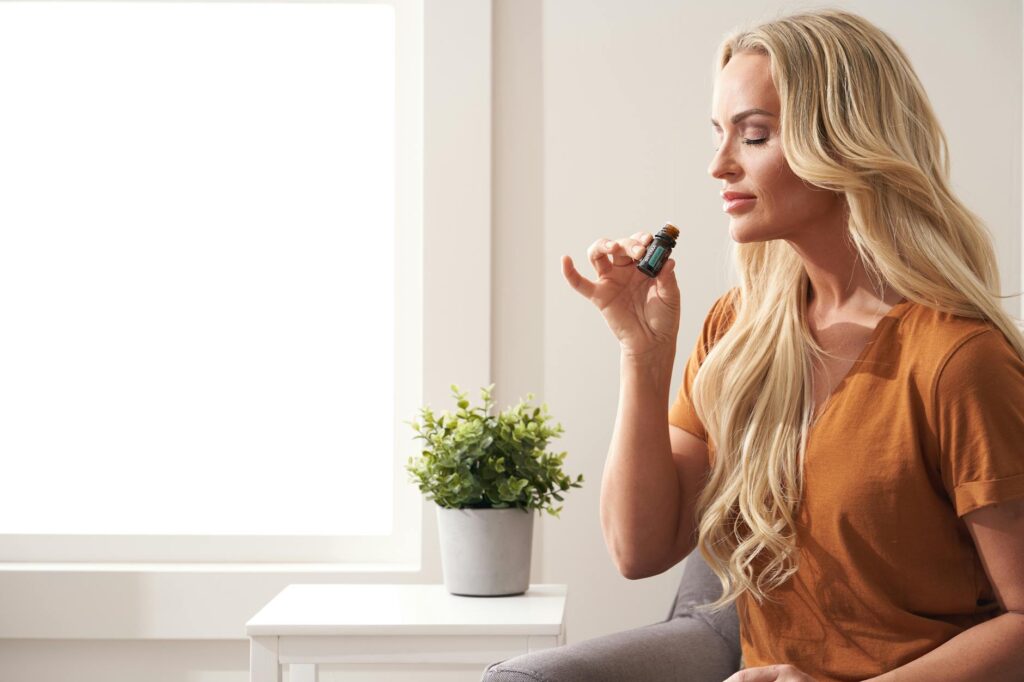
Inhaling essential oils directly from the bottle or through a personal inhaler can provide immediate benefits. Oils such as peppermint or spearmint can quickly elevate mood and energy levels.
5. Scented Objects
Using scented objects, such as sachets or potpourri infused with energy balance oils, can provide a continuous aromatic presence in living spaces. This subtle method helps maintain a calm and balanced environment.
Safety Considerations
While aromatherapy is generally considered safe, certain precautions should be taken:
1. Dilution: Always dilute essential oils in a carrier oil before applying them to the skin to prevent irritation or allergic reactions.
2. Skin Sensitivity: Conduct a patch test before using a new essential oil to identify any potential skin sensitivities.
3. Pregnancy and Nursing: Pregnant or nursing individuals should consult with a healthcare professional before using essential oils.
4. Children and Pets: Some essential oils may not be safe for use around children or pets. Research the specific oils and their safety profiles before use.
5. Quality of Oils: Choose high-quality, pure essential oils from reputable sources, as synthetic or diluted oils may not provide the desired benefits.
Storage and Shelf Life
Proper storage of essential oils is crucial to maintaining their potency and efficacy. Here are some guidelines:
1. Cool, Dark Place: Store essential oils in a cool, dark place, away from direct sunlight and heat, to prevent degradation.
2. Glass Containers: Use dark glass containers (amber or cobalt) to protect oils from light exposure.
3. Tightly Sealed: Ensure that the lids are tightly sealed to prevent evaporation and contamination.
4. Shelf Life: Most essential oils have a shelf life of one to three years, though citrus oils may have shorter lifespans. Check for any changes in scent, color, or consistency before use.
Frequently Asked Questions
What are some popular essential oils used in energy balance blends?
Common essential oils include lavender, peppermint, bergamot, lemon, rosemary, cedarwood, and frankincense. Each oil has its unique properties that contribute to energy balance.
Can I create my own energy balance blend?
Yes, creating your own blend can be a rewarding experience. Start by selecting a few essential oils that resonate with you and experiment with different ratios to find a combination that feels balanced.
How often should I use energy balance blends?
The frequency of use depends on individual needs and preferences. Many people find daily use beneficial, while others may use it as needed during stressful or tiring times.
Are there any specific blends recommended for stress relief?
Blends containing lavender, chamomile, and bergamot are often recommended for their calming and stress-relieving properties.
Can I use essential oils in a bath?
Yes, adding essential oils to your bath can enhance relaxation and provide a soothing experience. Always dilute the oils in a carrier oil or an emulsifier before adding them to the water.
Conclusion
Aromatherapy for energy balance blends offers an elegant and holistic approach to achieving emotional and physical equilibrium. By understanding the properties and benefits of various essential oils, individuals can create personalized blends that resonate with their unique needs. Whether used in personal care, work environments, or spiritual practices, these blends have the potential to enhance overall well-being, fostering a sense of harmony and balance in daily life. As with all aromatic practices, mindful application and safety considerations are key to fully enjoying the benefits of this ancient art.