
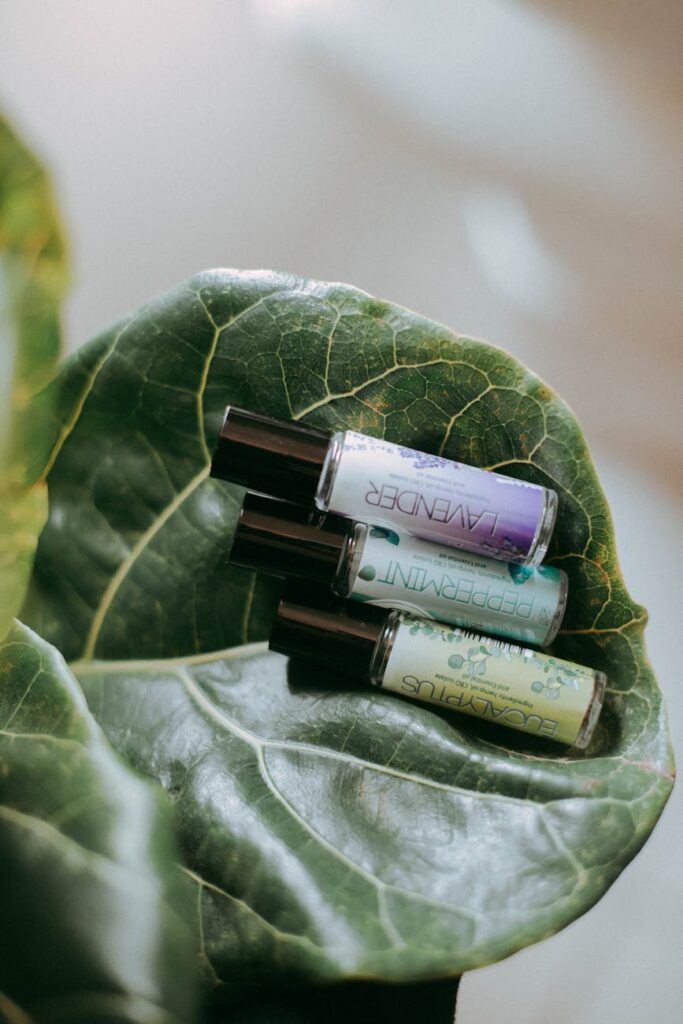
Aromatherapy Uses of Aromatherapy for Hormonal Balance Blends
Introduction
Aromatherapy is a holistic practice that utilizes the natural properties of essential oils extracted from plants to promote physical and emotional well-being. Among its various applications, one notable area is hormonal balance. Hormonal fluctuations can be caused by various factors, including stress, diet, lifestyle, and age. Aromatherapy offers a natural approach to help support the body’s hormonal systems through specific blends of essential oils. This article explores the concept of aromatherapy for hormonal balance blends, highlighting key benefits, common uses, applications, safety considerations, and storage tips.
What Is Aromatherapy for Hormonal Balance Blends?
Aromatherapy for hormonal balance blends involves the use of specific essential oils formulated to help stabilize and support hormonal function. These essential oils can assist in alleviating symptoms associated with hormonal imbalances, such as mood swings, fatigue, and discomfort during menstrual cycles or menopause. The practice relies on the principle that inhaling or applying these aromatic compounds can influence emotional and physical health through the olfactory system and the skin.
Key Benefits and Properties
The essential oils used in hormonal balance blends are chosen for their unique properties that can help regulate hormonal activity. Some of the key benefits of these oils include:
1. Mood Regulation: Oils like clary sage and lavender are known for their calming properties, which can help alleviate anxiety and promote emotional stability.
2. Menstrual Support: Essential oils such as geranium and fennel have been traditionally used to support menstrual health and ease discomfort associated with menstrual cycles.
3. Menopausal Relief: Oils like sage and peppermint may provide relief from hot flashes and other menopausal symptoms.
4. Stress Reduction: Stress can exacerbate hormonal imbalances. Oils such as bergamot and chamomile are renowned for their stress-relieving properties, helping to create a sense of calm.
5. Energy Boost: Citrus oils like grapefruit and lemon are uplifting and can help combat fatigue, providing an invigorating effect.
6. Hormonal Regulation: Some oils, like clary sage and thyme, have been studied for their potential to mimic estrogen, aiding in hormonal balance.
Common Uses
Aromatherapy blends for hormonal balance can be employed in various ways, depending on the individual’s needs. Here are some common uses:
1. Stress Relief: Blends designed to reduce stress can be diffused in a room or added to a warm bath to promote relaxation.
2. Menstrual Comfort: Applying diluted essential oils to the abdomen can help ease menstrual cramps and discomfort.
3. Mood Enhancement: Diffusing uplifting oils can help create a positive atmosphere, especially during times of hormonal fluctuations.
4. Sleep Support: Blends that include calming oils can be used in a diffuser or as a pillow spray to promote restful sleep.
5. Hormonal Regulation: Certain blends may be used in massage therapy to support hormonal balance throughout the body.
Aromatherapy Applications
The application of aromatherapy blends for hormonal balance can take several forms:
1. Diffusion
Using an essential oil diffuser is one of the most common methods. This allows the aromatic compounds to fill a space, creating a calming environment. For hormonal balance, consider blends that include oils like clary sage, lavender, and bergamot.
2. Topical Application
Diluting essential oils with a carrier oil—such as jojoba, sweet almond, or coconut oil—allows for safe topical application. This method is particularly effective for localized relief, such as applying to the abdomen for menstrual discomfort.
3. Bathing
Adding essential oils to a warm bath can provide a soothing experience. It is advisable to mix the essential oils with a carrier oil or Epsom salts to ensure even distribution in the water.
4. Inhalation
Inhaling essential oils directly from the bottle or from a tissue can provide an immediate mood boost. This method is ideal for quick stress relief or when feeling fatigued.
5. Massage
Incorporating essential oils into a massage can enhance the experience, particularly for alleviating tension and promoting relaxation.
Safety Considerations
While aromatherapy can be beneficial, safety is paramount. Here are some guidelines to ensure safe use:
1. Dilution: Essential oils are potent and should always be diluted before topical application. A common dilution ratio is 2-3 drops of essential oil per teaspoon of carrier oil.
2. Patch Test: Before using a new essential oil blend, perform a patch test on a small area of skin to check for any allergic reactions.
3. Quality: Use high-quality essential oils from reputable sources. Look for oils that are 100% pure and free from synthetic additives.
4. Pregnancy and Nursing: Some essential oils may not be safe for pregnant or nursing women. Consult a qualified aromatherapist or healthcare professional for guidance.
5. Children and Pets: Certain oils can be harmful to children and pets. Research specific oils and consult knowledgeable sources before use around them.
6. Pre-existing Conditions: Individuals with medical conditions or those on medication should consult a healthcare provider before using essential oils.
Storage and Shelf Life
Proper storage of essential oils is essential to maintain their potency and effectiveness. Here are some tips:
1. Dark Glass Bottles: Store essential oils in dark glass bottles to protect them from light, which can degrade their quality.
2. Cool, Dry Place: Keep oils in a cool, dry place away from direct sunlight and heat sources.
3. Tightly Sealed: Ensure that bottles are tightly sealed to prevent oxidation and evaporation.
4. Shelf Life: Most essential oils have a shelf life of 1-3 years, depending on the type. Citrus oils may have a shorter shelf life, while oils like patchouli and sandalwood can last longer.
Frequently Asked Questions
1. Can aromatherapy really help with hormonal balance?
While many individuals report positive experiences with aromatherapy for hormonal balance, scientific research is still ongoing. Aromatherapy can be a complementary approach to managing symptoms associated with hormonal fluctuations.
2. Which essential oils are best for hormonal balance?
Common essential oils used for hormonal balance include clary sage, geranium, lavender, and fennel. Each oil has unique properties that may assist with different symptoms related to hormonal imbalances.
3. How often can I use aromatherapy for hormonal balance?
Frequency of use can depend on individual needs and preferences. Many people find daily use beneficial, either through diffusion, topical application, or bathing. However, it’s important to listen to your body and adjust as needed.
4. Are there any side effects?
While essential oils are generally safe when used properly, some individuals may experience skin irritation or allergic reactions. Always perform a patch test and consult with a healthcare provider if uncertain.
5. Can I create my own blends for hormonal balance?
Yes, many individuals enjoy experimenting with their own essential oil blends. When creating blends, consider the properties of each oil and how they may complement one another to support hormonal balance.
Conclusion
Aromatherapy for hormonal balance blends offers a natural approach to alleviate symptoms associated with hormonal fluctuations. By utilizing specific essential oils known for their supportive properties, individuals can create personalized blends that promote emotional and physical well-being. As with any holistic practice, understanding how to safely and effectively use these oils is crucial. Always prioritize quality, dilution, and safety to enhance the benefits of aromatherapy in your journey toward hormonal balance.