
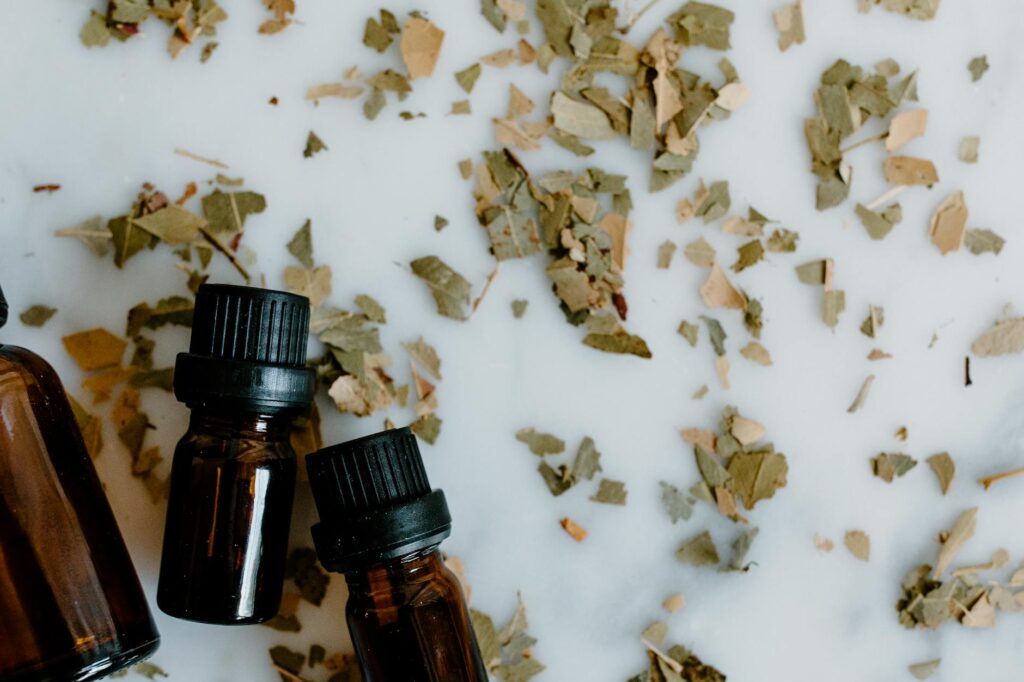
Aromatherapy Uses of Aromatherapy for Hormonal Mood Swings Blends
Introduction
Hormonal mood swings can significantly impact daily life, affecting emotional well-being, relationships, and overall quality of life. Many individuals seek natural remedies to alleviate these fluctuations, and aromatherapy has emerged as a popular option. This article explores the uses of aromatherapy for managing hormonal mood swings, focusing on essential oil blends that may help stabilize emotions and promote a sense of calm.
What Is Aromatherapy for Hormonal Mood Swings Blends?
Aromatherapy is the practice of using essential oils, extracted from plants, to enhance physical and emotional well-being. Essential oils are concentrated volatile compounds that carry the characteristic aroma of the plant from which they are derived. When used in blends specifically designed for hormonal balance, these oils can interact with the body’s olfactory system, which is closely linked to the limbic system—the part of the brain responsible for emotions.
Hormonal mood swings often occur during specific life stages, such as puberty, menstruation, pregnancy, and menopause. These changes can lead to symptoms such as irritability, anxiety, and mood fluctuations. Aromatherapy aims to mitigate these symptoms by harnessing the therapeutic properties of essential oils.
Key Benefits and Properties
The benefits of aromatherapy for hormonal mood swings are numerous, with various essential oils offering distinct properties. Some of the key benefits include:
- Emotional Balance: Certain essential oils, like lavender and bergamot, are known for their calming properties, helping to reduce stress and anxiety.
- Mood Enhancement: Oils such as sweet orange and ylang-ylang may uplift the spirit and improve mood.
- Relaxation: Oils like chamomile and frankincense can promote relaxation, making them useful for those experiencing tension or irritability.
- Hormonal Regulation: Some oils, such as clary sage and geranium, have been associated with hormonal balance, potentially easing emotional swings.
- 3 drops Lavender
- 2 drops Clary Sage
- 2 drops Bergamot
- 1 drop Ylang-Ylang
- Dilution: Always dilute essential oils with a carrier oil before applying them to the skin to avoid irritation.
- Patch Testing: Conduct a patch test on a small area of skin to check for allergic reactions before widespread use.
- Pregnancy and Nursing: Some essential oils may not be suitable for pregnant or nursing individuals. Consult a qualified professional for guidance.
- Medical Conditions: If you have existing medical conditions or are taking medications, consult a healthcare provider before using essential oils.
- Cool, Dark Place: Store essential oils in a cool, dark place to prevent degradation.
- Dark Glass Containers: Use dark glass bottles to protect the oils from light exposure.
- Tightly Sealed: Ensure bottles are tightly sealed to prevent evaporation and contamination.
Common Uses
Essential oils can be used in various ways to help manage hormonal mood swings. Below are some common applications:
1. Inhalation
Inhalation is one of the simplest and most effective methods of using essential oils. Diffusing oils into the air can create a calming environment. Additionally, placing a few drops of oil on a tissue or in an inhaler can provide immediate relief.
2. Topical Application
Diluting essential oils with a carrier oil (such as jojoba or coconut oil) and applying them to pulse points (e.g., wrists, behind the ears) can enhance their effects. This method allows for both inhalation and skin absorption.
3. Bathing
Adding essential oils to a warm bath can create a soothing experience. The heat helps to release the oils into the air, while skin absorption can also occur during the soak.
4. Massage
Incorporating essential oils into a massage can provide both physical and emotional benefits. The combination of touch and aroma can significantly enhance relaxation and mood stabilization.
Aromatherapy Applications
The following essential oils are often blended for their synergistic effects in managing hormonal mood swings:
1. Lavender (Lavandula angustifolia)
Lavender is renowned for its calming and relaxing properties. It may help reduce anxiety and promote sleep, making it a staple in many aromatherapy blends.
2. Clary Sage (Salvia sclarea)
Clary sage is noted for its potential to balance hormones. Its uplifting scent can also help alleviate feelings of stress and anxiety.
3. Bergamot (Citrus bergamia)
Bergamot has a refreshing citrus aroma and is known for its mood-boosting properties. It may help reduce feelings of sadness and anxiety.
4. Geranium (Pelargonium graveolens)
Geranium oil is often used to promote emotional balance and alleviate mood swings. Its floral scent can create a feeling of harmony and peace.
5. Ylang-Ylang (Cananga odorata)
Ylang-ylang is considered an aphrodisiac and can enhance mood. Its sweet, floral scent is often included in blends aimed at emotional upliftment.
6. Sweet Orange (Citrus sinensis)
Sweet orange oil has a bright, cheerful aroma that can help promote feelings of joy and positivity.
Sample Blend
A simple yet effective blend for alleviating hormonal mood swings might include:
Mix these oils in a carrier oil for topical application or use them in a diffuser for inhalation.
Safety Considerations
While aromatherapy is generally safe, certain precautions should be observed:
Storage and Shelf Life
Proper storage of essential oils is crucial to maintaining their potency. Here are some guidelines:
The shelf life of essential oils can vary; typically, they last from one to several years. Citrus oils may have a shorter shelf life, while others like patchouli and sandalwood may improve with age.
Frequently Asked Questions
1. Can aromatherapy completely eliminate hormonal mood swings?
While aromatherapy can provide support and relief, it is not a replacement for professional medical treatment. It may help alleviate symptoms but should be used as part of a comprehensive approach to hormonal health.
2. How often can I use essential oils?
You can use essential oils daily, but frequency may depend on individual sensitivity and the specific oils used. For topical applications, it’s advisable to limit usage to a few times per day.
3. Are there any essential oils I should avoid?
Certain oils, like rosemary and sage, may not be suitable for individuals with specific conditions or during pregnancy. Always research and consult with a knowledgeable source before using new oils.
4. Can I mix different essential oils?
Yes, blending different essential oils can create synergistic effects. However, it’s essential to understand the properties of each oil and test blends in small amounts to ensure they work well together.
5. Where can I find high-quality essential oils?
Seek out reputable suppliers that provide information about the sourcing and quality of their essential oils. Look for oils that are 100% pure, organic, and free from additives.
Conclusion
Aromatherapy offers a natural approach to managing hormonal mood swings through the use of essential oil blends. By harnessing the therapeutic properties of various oils, individuals may find support in navigating emotional fluctuations. While aromatherapy can be a helpful adjunct to overall wellness, it is essential to approach it with care, ensuring safe practices and understanding its role within a broader health strategy. Always consult knowledgeable sources for guidance and to tailor the use of essential oils to individual needs.