
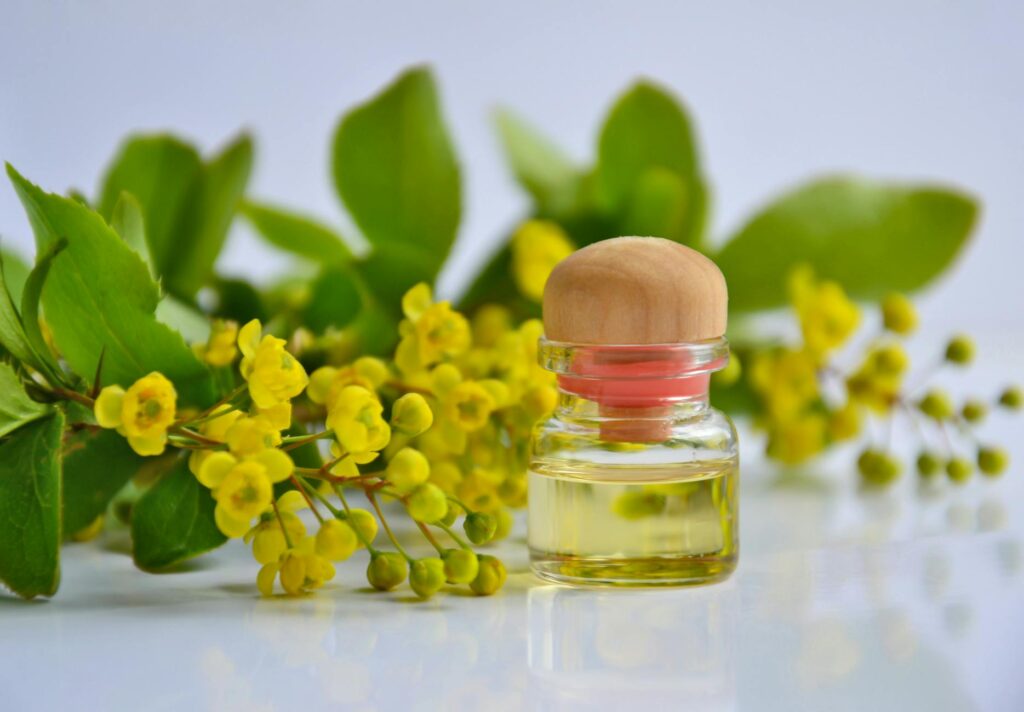
Aromatherapy Uses of Aromatherapy for Immune System Support Blends
Introduction
In a world increasingly attuned to holistic health practices, aromatherapy has emerged as a popular complementary therapy. By harnessing the natural properties of essential oils, individuals can create blends that support various aspects of health, including immune system function. This article explores the uses, benefits, and applications of aromatherapy for immune system support, helping readers understand how to integrate these practices into their wellness routines.
What Is Aromatherapy for Immune System Support Blends?
Aromatherapy involves the use of essential oils—concentrated plant extracts—to promote physical and emotional well-being. When it comes to immune system support, certain essential oils are believed to possess properties that can help enhance the body’s natural defenses. These oils can be blended for synergistic effects, utilizing their unique therapeutic qualities to create an effective immune-supportive atmosphere.
Essential oils such as eucalyptus, tea tree, and lavender are often included in blends aimed at bolstering immunity. These oils can be diffused into the air, inhaled, or applied topically (when diluted), thereby allowing their aromatic compounds to interact with the body’s systems.
Key Benefits and Properties
Immune-Boosting Properties
Many essential oils contain compounds that are thought to support immune function. For instance, some oils have antiviral, antibacterial, and antifungal properties, which can help protect the body from pathogens. Others may enhance circulation or have anti-inflammatory effects, contributing to overall wellness.
Stress Reduction
Emotional well-being plays a vital role in immune health. Aromatherapy can alleviate stress, anxiety, and depression, which are known to negatively impact the immune system. Oils such as bergamot and chamomile are often used for their calming effects, promoting emotional balance and resilience.
Respiratory Support
Certain essential oils are known for their benefits to the respiratory system. Oils like peppermint and eucalyptus can help clear airways and support respiratory function, making them valuable in blends designed to maintain immune health, especially during seasonal changes.
Common Uses
Aromatherapy blends for immune support can be employed in various contexts:
1. Seasonal Wellness: During cold and flu seasons, immune-support blends can help maintain overall health.
2. Stress Management: Incorporating these blends into a relaxation routine can help manage stress, which in turn can support immune function.
3. Environmental Purification: Diffusing essential oils can help purify the air in living spaces, potentially reducing the risk of airborne pathogens.
4. Personal Care Products: Adding immune-supportive oils to lotions, creams, or bath products can enhance daily routines with additional benefits.
Aromatherapy Applications
Diffusion
Diffusing essential oils is one of the most common methods of application. A few drops of an immune-support blend can be added to a diffuser, dispersing the aromatic compounds into the air. This method allows for the inhalation of the oils, promoting respiratory and emotional benefits.
Inhalation
For a more immediate effect, individuals can inhale essential oils directly from the bottle or by placing a drop on a tissue. This method can provide quick relief from stress or respiratory discomfort.
Topical Application
When applying essential oils to the skin, it is crucial to dilute them with a carrier oil, such as jojoba or coconut oil. A typical dilution ratio is 2% (approximately 12 drops of essential oil per ounce of carrier oil). Common application sites include pulse points, the chest, or the back of the neck.
Bathing
Adding essential oils to bathwater can create a soothing and immersive experience. This method not only promotes relaxation but also allows for transdermal absorption of the oils’ therapeutic properties.
Compresses
A warm compress infused with essential oils can provide localized support. This method can be useful for promoting relaxation or easing discomfort.
Safety Considerations
While aromatherapy is generally considered safe, several precautions should be observed:
1. Dilution: Essential oils should always be diluted before topical application to avoid skin irritation.
2. Allergies: Individuals should conduct a patch test before using a new essential oil to check for hypersensitivity.
3. Pregnancy and Children: Some essential oils are not recommended for use during pregnancy or on young children. It is essential to consult reputable sources on which oils are safe.
4. Quality of Oils: Only high-quality, pure essential oils should be used, as synthetic or adulterated oils may not provide the desired benefits and could pose health risks.
Storage and Shelf Life
Essential oils should be stored in a cool, dark place, ideally in amber or cobalt blue glass bottles to protect them from light degradation. The shelf life of essential oils varies by type:
- Citrus Oils: Generally have a shorter shelf life of 1-2 years.
- Woodsy and Resinous Oils: Can last up to 4-6 years.
- Flower Oils: Typically last around 2-3 years.
It is advisable to check for any changes in smell or consistency, as these can indicate that the oil has gone bad.
Frequently Asked Questions
Can essential oils replace conventional medicine?
Essential oils should not be seen as a replacement for conventional medicine. They are best used as complementary therapies alongside traditional treatments.
How can I create my own immune support blend?
To create a personal blend, select 2-4 essential oils known for their immune-supportive properties. Combine them with a carrier oil for topical application or use them in a diffuser. Start with small amounts and adjust based on personal preference.
Are there any essential oils that should be avoided?
Yes, certain oils may be contraindicated for specific health conditions or populations. For instance, oils like sage and rosemary may not be suitable for pregnant women. Always refer to trusted sources for guidance.
How often can I use aromatherapy for immune support?
The frequency of use will depend on individual preferences and needs. Regular use in a balanced wellness routine is typically beneficial, but it is essential to listen to your body and adjust accordingly.
Conclusion
Aromatherapy offers a holistic approach to supporting immune health through the use of natural essential oils. By understanding the properties, applications, and safety considerations, individuals can effectively incorporate immune-support blends into their daily routines. As with any complementary therapy, it is essential to approach aromatherapy thoughtfully and with an awareness of individual needs and preferences.