
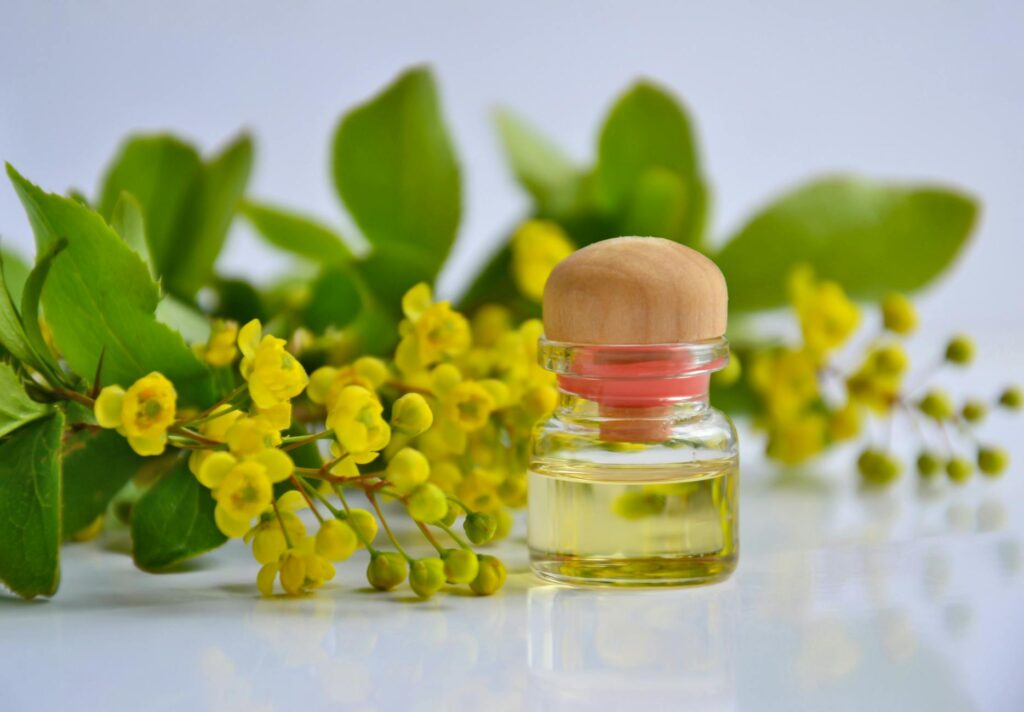
Aromatherapy Uses of Aromatherapy for Memory Enhancement Blends
Introduction
Aromatherapy has gained increasing popularity in recent years as a holistic approach to enhancing well-being. Among its various applications, the use of essential oils for memory enhancement is particularly intriguing. This article delves into the benefits, properties, and practical applications of aromatherapy blends specifically designed to support cognitive function and memory retention.
What Is Aromatherapy for Memory Enhancement Blends?
Aromatherapy is the practice of using aromatic plant extracts, known as essential oils, to promote physical and emotional health. Memory enhancement blends typically consist of a carefully selected combination of essential oils known for their cognitive benefits. These oils can stimulate mental clarity, improve concentration, and promote overall brain health.
The efficacy of these blends often relies on the individual properties of each essential oil, as well as their synergistic effects when combined. Popular essential oils for memory enhancement include rosemary, peppermint, basil, and lemon.
Key Benefits and Properties
1. Cognitive Stimulation
Many essential oils contain compounds that can stimulate brain activity. For instance, rosemary is often associated with improved memory retention and cognitive performance. Studies suggest that compounds in rosemary may enhance acetylcholine levels, a neurotransmitter crucial for learning and memory.
2. Stress Reduction
Reducing stress is vital for cognitive function. Essential oils such as lavender and bergamot are renowned for their calming properties, which can help alleviate anxiety and create a conducive atmosphere for memory retention.
3. Improved Focus and Concentration
Peppermint oil is frequently highlighted for its ability to enhance alertness and concentration. Its invigorating aroma can serve as a mental stimulant, making it easier to focus on tasks that require cognitive effort.
4. Antioxidant Properties
Certain essential oils possess antioxidant properties that can protect brain cells from oxidative stress. This is particularly important in maintaining long-term cognitive health. Oils like lemon and frankincense are known for their high antioxidant content.
Common Uses
Aromatherapy blends for memory enhancement can be utilized in a variety of settings. Here are some common applications:
1. Study Sessions
Students and professionals may benefit from using memory-enhancing blends while studying or working. Diffusing these oils in the study area or inhaling them directly can create an environment conducive to learning.
2. Meditation Practices
Incorporating memory-enhancing essential oils into meditation can enhance mental clarity and focus. This practice can be particularly beneficial for individuals looking to improve mindfulness and cognitive function.
3. Daily Routines
Adding these essential oils to daily routines, such as during morning rituals or while commuting, can help set a positive tone for the day and improve overall mental acuity.
4. Creative Endeavors
Artists and writers might find that certain blends spark inspiration and foster creativity. Using these oils can help facilitate a flow state, enabling deeper cognitive engagement.
Aromatherapy Applications
There are several effective methods for applying memory-enhancement aromatherapy blends:
1. Diffusion
Using a diffuser to disperse essential oils into the air is one of the most popular methods. This allows for an even distribution of the aroma throughout a space, making it ideal for group settings or larger rooms.
2. Inhalation
Direct inhalation is a quick and effective way to experience the benefits of essential oils. Placing a few drops of the blend on a cotton ball or inhaler can provide immediate cognitive stimulation.
3. Topical Application
Diluting essential oils in a carrier oil and applying them to pulse points, such as the wrists or temples, can facilitate absorption through the skin. This method is particularly effective for longer-lasting effects.
4. Bathing
Adding essential oils to bathwater can create a relaxing and stimulating experience. This method not only offers cognitive benefits but also promotes overall relaxation and stress relief.
Safety Considerations
While aromatherapy can be beneficial, it is essential to consider safety precautions:
1. Dilution
Essential oils are highly concentrated substances and should be diluted in carrier oils, such as coconut or jojoba oil, before topical application. A typical ratio is 2-3 drops of essential oil per teaspoon of carrier oil.
2. Allergies and Sensitivities
Individuals should perform a patch test before using any new essential oil to check for allergic reactions. If irritation occurs, discontinue use immediately.
3. Pregnancy and Medical Conditions
Pregnant women, individuals with chronic health conditions, or those taking medications should consult a healthcare professional before using essential oils.
4. Quality of Oils
Using high-quality, pure essential oils is crucial for safety and effectiveness. Look for oils that are labeled as “therapeutic grade” or “100% pure.”
Storage and Shelf Life
Proper storage of essential oils is vital for maintaining their potency and effectiveness. Here are some tips for storing memory-enhancement blends:
1. Keep Away from Light
Essential oils should be stored in dark glass bottles to protect them from light degradation. Exposure to sunlight can alter their chemical composition and reduce efficacy.
2. Cool and Dry Environment
Store essential oils in a cool, dry place, away from heat sources. High temperatures can cause oils to oxidize and lose their beneficial properties.
3. Shelf Life
While essential oils do not expire in the traditional sense, they do have a shelf life. Most oils last between 1-3 years, depending on the type. Citrus oils tend to have a shorter shelf life, while oils like patchouli can last longer.
Frequently Asked Questions
1. Can I create my own memory enhancement blend?
Yes, many individuals enjoy crafting their own blends. Start with a base oil and add essential oils known for their cognitive benefits. Experiment to find a combination that works for you.
2. How often should I use memory enhancement blends?
Frequency can vary based on personal preference and individual needs. Some may benefit from daily use, while others might find occasional use sufficient.
3. Are there any essential oils to avoid for memory enhancement?
While most essential oils can be beneficial, it is advisable to avoid oils that are known to be overly sedative, as they may hinder cognitive function.
4. Can essential oils replace traditional methods for enhancing memory?
Aromatherapy should be viewed as a complementary approach rather than a substitute for traditional methods. It can enhance cognitive function but is not a replacement for healthy habits or professional medical advice.
Conclusion
Aromatherapy for memory enhancement blends offers a fascinating intersection of nature and cognition. With a variety of essential oils available, individuals can tailor their experiences to suit their specific needs. By understanding the benefits, properties, and applications of these blends, one can create an enriching environment that supports mental clarity and memory retention. As with any holistic practice, it is essential to approach aromatherapy with mindfulness and care, ensuring a safe and rewarding experience.