
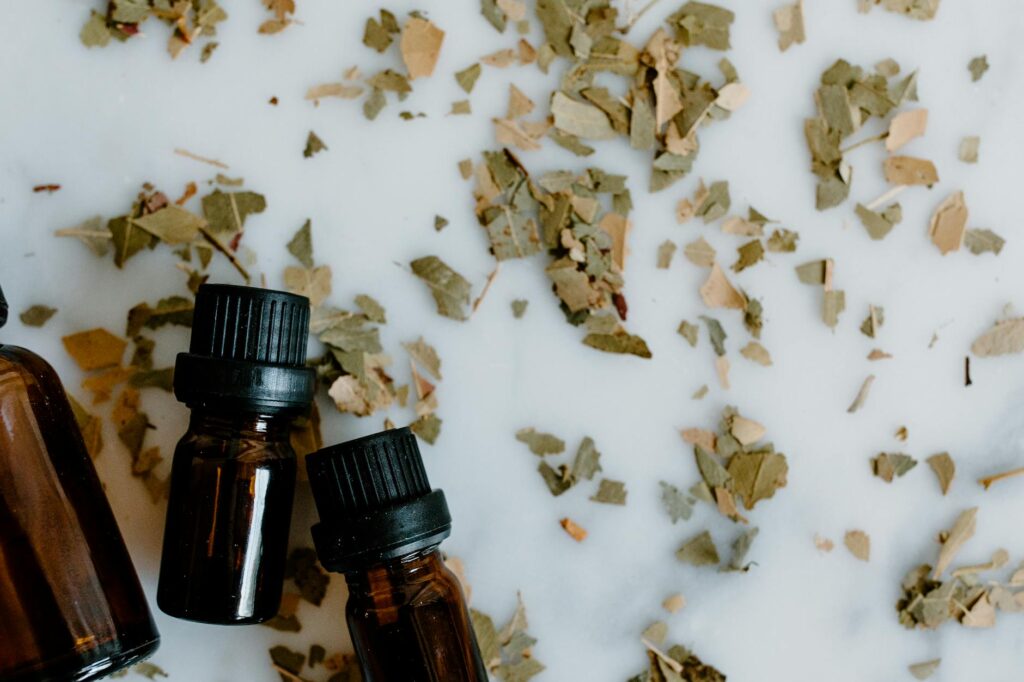
Aromatherapy Uses of Aromatherapy for Mood Stabilization Blends
Introduction
Aromatherapy is a holistic healing practice that utilizes the natural fragrances of essential oils to enhance physical and emotional well-being. Among its many applications, mood stabilization is a particularly significant area where essential oils can play a vital role. Mood stabilization blends are specifically formulated to promote emotional balance, reduce anxiety, and create a sense of calm. This article explores what these blends are, their benefits, common uses, and safety considerations.
What Is Aromatherapy for Mood Stabilization Blends?
Mood stabilization blends in aromatherapy consist of carefully selected essential oils known for their calming, uplifting, and balancing properties. These blends are often crafted to address feelings of anxiety, stress, and emotional instability. Essential oils are extracted from various parts of plants—such as flowers, leaves, bark, and roots—each possessing unique aromatic profiles and therapeutic properties.
Common essential oils used in mood stabilization blends include:
- Lavender: Renowned for its calming effects.
- Bergamot: Known for its uplifting and anxiety-reducing properties.
- Ylang Ylang: Often used for its ability to promote relaxation and emotional balance.
- Frankincense: Valued for its grounding qualities.
- Clary Sage: Recognized for its ability to alleviate stress and anxiety.
These oils can be combined in various ratios to create bespoke blends tailored to individual preferences and needs.
Key Benefits and Properties
The benefits of using aromatherapy for mood stabilization are numerous, and they stem from the unique properties of essential oils. Here are some key advantages:
Emotional Balance
Essential oils can help regulate mood fluctuations by calming the nervous system and promoting a sense of well-being. Oils like lavender and clary sage are known for their abilities to stabilize emotions and reduce feelings of anxiety and depression.
Stress Reduction
Many essential oils possess adaptogenic properties that help the body cope with stress. Bergamot, for example, has been shown to reduce levels of cortisol, the body’s primary stress hormone.
Improved Sleep Quality
Certain mood stabilization blends can promote relaxation and improve sleep quality. Oils like chamomile and cedarwood are commonly used to foster a peaceful environment conducive to restful sleep.
Enhanced Focus and Clarity
Blends containing oils like rosemary and peppermint can enhance mental clarity and focus, making them beneficial for individuals experiencing emotional fatigue or mental fog.
Support for Emotional Healing
Aromatherapy can support emotional healing by providing a comforting atmosphere. Scents like frankincense and sandalwood have been traditionally used in spiritual practices to promote introspection and inner peace.
Common Uses
Mood stabilization blends can be utilized in various settings, including:
Home Environment
Incorporating these blends into the home can create a calming atmosphere. Diffusing essential oils in living spaces or using them in cleaning products can enhance the overall ambiance and promote emotional well-being.
Workplace
Using mood stabilization blends in the workplace can help reduce stress levels and improve focus. A diffuser or personal inhaler can be beneficial in promoting a serene working environment.
Personal Care Products
Many people include essential oils in personal care items such as lotions, bath oils, and skincare products. This not only provides the benefits of aromatherapy but also enhances self-care routines.
Meditation and Yoga Practices
Aromatherapy plays a significant role in meditation and yoga practices. Using mood stabilization blends can deepen relaxation, enhance focus, and facilitate a more profound spiritual experience.
Massage Therapy
Incorporating essential oils into massage therapy can enhance the relaxation experience, promoting both physical and emotional well-being.
Aromatherapy Applications
There are several methods for applying mood stabilization blends:
Diffusion
Using a diffuser is one of the most popular ways to disperse essential oils into the air. This method allows for a gentle yet effective distribution of aromas throughout a room.
Inhalation
Direct inhalation involves placing a few drops of an essential oil on a cotton ball or a personal inhaler and breathing in the scent. This method provides immediate effects and can be used discreetly throughout the day.
Topical Application
Diluting essential oils in a carrier oil (such as sweet almond or jojoba oil) allows for safe topical application. This can be done on pulse points, such as wrists or behind the ears, to benefit from both aroma and skin absorption.
Bathing
Adding essential oils to bathwater creates a soothing and aromatic experience. This method not only provides emotional benefits but also promotes relaxation of the muscles.
Compresses
Aromatherapy compresses can be made by adding essential oils to a bowl of warm or cold water, soaking a cloth, and applying it to specific areas of the body. This method is particularly useful for localized stress relief.
Safety Considerations
While essential oils are generally safe when used correctly, it is essential to observe safety precautions:
Dilution
Essential oils are potent and should always be diluted with a carrier oil before applying them to the skin to prevent irritation or allergic reactions.
Allergies and Sensitivities
Individuals should conduct a patch test before applying a new essential oil blend to the skin. If any irritation occurs, discontinue use and consult a healthcare professional.
Pregnancy and Nursing
Certain essential oils may not be safe for use during pregnancy or while nursing. Always consult a healthcare provider for guidance.
Children and Pets
Some essential oils can be harmful to children and pets. It is crucial to research and use caution when diffusing or applying oils in households with young children or animals.
Quality of Essential Oils
Always choose high-quality, pure essential oils from reputable sources. Synthetic fragrances can contain harmful chemicals that may negate the therapeutic benefits of essential oils.
Storage and Shelf Life
Proper storage of essential oils is crucial for maintaining their efficacy. Essential oils should be stored in dark glass bottles away from direct sunlight, heat, and moisture. Most essential oils have a shelf life ranging from one to five years, depending on the type. Citrus oils, for example, tend to have a shorter shelf life than heavier oils like patchouli or sandalwood.
Frequently Asked Questions
1. How do I choose the right mood stabilization blend?
Choosing the right blend depends on personal preferences and specific emotional needs. Research the properties of various essential oils and experiment with different combinations to find what resonates best with you.
2. Can I make my own mood stabilization blends?
Yes, creating your own blends can be a rewarding experience. Start with a base oil and add a few drops of your chosen essential oils, gradually adjusting until you find the perfect balance.
3. How often can I use aromatherapy for mood stabilization?
Aromatherapy can be used as often as desired. However, if you experience any adverse reactions, reduce the frequency of use and consult a healthcare professional if necessary.
4. Are there any contraindications to using aromatherapy for mood stabilization?
While aromatherapy is generally safe, certain medical conditions may require caution. Always consult a healthcare provider if you have concerns or are undergoing treatment for mental health issues.
5. Can I use mood stabilization blends while traveling?
Absolutely. Portable inhalers or roller bottles make it easy to take your favorite blends on the go. They can provide a sense of calm during stressful travel situations.
Conclusion
Aromatherapy for mood stabilization blends offers a natural and holistic approach to emotional well-being. By harnessing the power of essential oils, individuals can create personalized blends that provide comfort, balance, and stress relief. While exploring the benefits of these blends, it is essential to consider safety and proper application methods. Whether used at home, in the workplace, or during personal care rituals, mood stabilization blends can contribute significantly to enhancing emotional health and overall quality of life.