
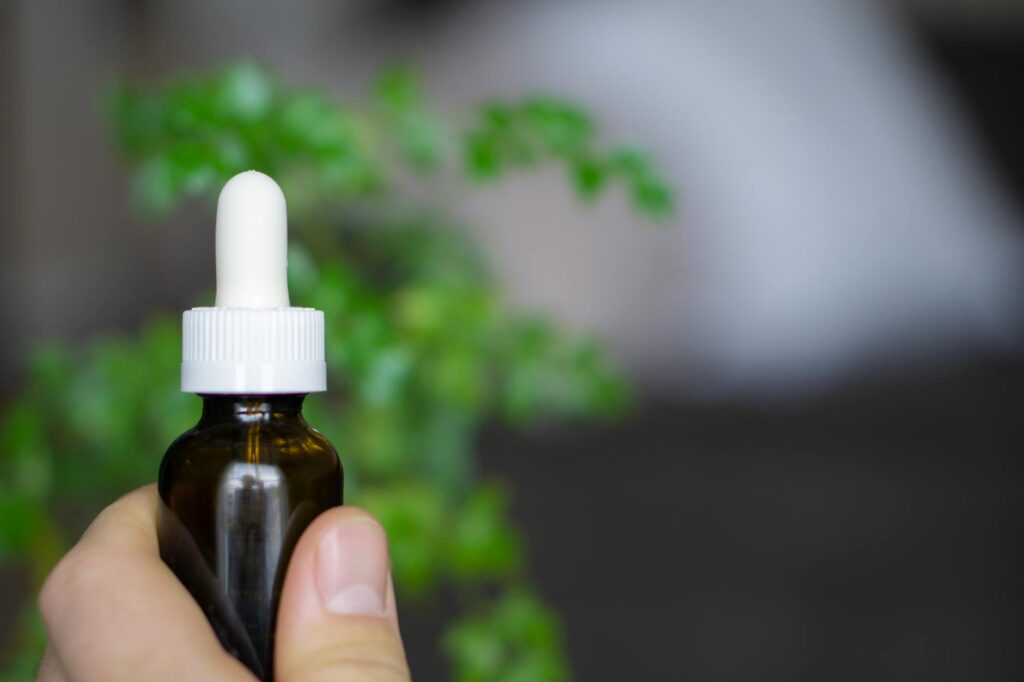
Aromatherapy Uses of Aromatherapy for Pain Management Blends
Introduction
Aromatherapy, a holistic healing practice that utilizes the aromatic properties of essential oils, has gained significant recognition for its potential to promote physical and emotional well-being. Among its myriad applications, one of the most sought-after areas is pain management. This article explores the concept of aromatherapy for pain management blends, delving into their benefits, common uses, applications, and safety considerations.
What Is Aromatherapy for Pain Management Blends?
Aromatherapy for pain management involves the use of essential oils derived from plants to alleviate discomfort and promote relaxation. These oils are extracted through various methods, including steam distillation and cold pressing, and are known for their diverse therapeutic properties. When blended with carrier oils or incorporated into other mediums, these essential oils can be inhaled, applied topically, or diffused to harness their effects.
Pain management blends typically include a combination of essential oils that possess analgesic (pain-relieving), anti-inflammatory, and muscle-relaxant properties. Each oil carries its unique profile, contributing differently to the overall effectiveness of the blend.
Key Benefits and Properties
Aromatherapy for pain management offers several key benefits:
1. Pain Relief
Certain essential oils, such as lavender, peppermint, and eucalyptus, are widely recognized for their ability to provide relief from headaches, muscle aches, and joint pain. The analgesic properties of these oils can help mitigate discomfort.
2. Anti-Inflammatory Effects
Many essential oils possess anti-inflammatory properties, making them effective in reducing inflammation associated with various conditions, such as arthritis or muscle strain. Oils like ginger and turmeric are particularly noted for their anti-inflammatory capabilities.
3. Muscle Relaxation
Essential oils such as chamomile and marjoram can help relax tight muscles, offering relief from tension and soreness. This can be particularly beneficial for individuals dealing with stress-related tension.
4. Emotional Support
Aromatherapy can also impact emotional well-being, which can be important in pain management. Oils like bergamot and frankincense have calming effects that may help reduce anxiety related to chronic pain.
Common Uses
Aromatherapy blends for pain management can be utilized in various contexts, including:
1. Chronic Pain
Individuals suffering from chronic conditions, such as fibromyalgia or arthritis, may find relief through tailored aromatherapy blends. Regular use can contribute to a comprehensive pain management strategy.
2. Acute Pain
For acute pain, such as that resulting from an injury or surgical recovery, specific blends can help alleviate discomfort and promote healing.
3. Headaches and Migraines
Certain essential oils, particularly peppermint and lavender, are commonly used in blends targeted at relieving headaches and migraines. These oils can be applied to the temples or inhaled for quick relief.
4. Muscle and Joint Pain
Aromatherapy can also be effective for muscle strains, joint pain, and general discomfort associated with physical activity. Blends can be massaged into sore areas to provide targeted relief.
Aromatherapy Applications
There are several methods for applying aromatherapy blends for pain management:
1. Inhalation
Inhaling essential oils is one of the simplest ways to experience their benefits. This can be done using a diffuser, an aromatherapy inhaler, or simply by adding a few drops of essential oil to a tissue or cotton ball.
2. Topical Application
Blending essential oils with carrier oils such as coconut, jojoba, or almond oil allows for safe topical application. This method is particularly effective for localized pain relief. A typical dilution ratio is 2-5% essential oil in carrier oil.
3. Bath Soaks
Adding essential oils to a warm bath can enhance relaxation and pain relief. It’s advisable to mix essential oils with a dispersing agent like Epsom salts to ensure even distribution in water.
4. Compresses
A warm or cold compress infused with essential oils can be applied to areas of pain. This technique combines the soothing properties of temperature with the therapeutic benefits of the oils.
5. Massage
Incorporating essential oils into massage therapy can enhance the experience, providing both physical relief and emotional support through the power of touch and scent.
Safety Considerations
While aromatherapy is generally considered safe, several precautions should be observed:
1. Dilution
Essential oils are highly concentrated and should always be diluted with a carrier oil before topical application to prevent skin irritation.
2. Allergies and Sensitivities
Individuals should perform a patch test before using a new essential oil to check for allergic reactions. If irritation occurs, discontinue use immediately.
3. Pregnancy and Nursing
Certain essential oils may not be suitable for pregnant or nursing individuals. It is advisable to consult a qualified professional for guidance.
4. Medical Conditions
Individuals with specific medical conditions or those taking medications should consult with a healthcare professional before using essential oils, as some may interact with prescribed treatments.
5. Storage
Essential oils should be stored in a cool, dark place, away from direct sunlight and heat to maintain their potency.
Storage and Shelf Life
The shelf life of essential oils varies depending on the type of oil and storage conditions. Generally, most essential oils can last from 1 to 3 years if stored properly. Citrus oils may have a shorter shelf life, while oils like patchouli and sandalwood may improve with age. It is essential to check for any changes in color, scent, or consistency when using older oils.
Frequently Asked Questions
1. Can aromatherapy completely eliminate pain?
While aromatherapy can provide relief and support for pain management, it is not a substitute for medical treatment. It is most effective when used as part of a comprehensive approach to pain management.
2. How do I choose the right essential oils for pain relief?
Selecting essential oils depends on the type of pain and personal preferences. Researching the properties of various oils and possibly consulting with a qualified aromatherapist can help in making informed choices.
3. Are there any side effects associated with aromatherapy?
While generally safe, some individuals may experience allergic reactions or skin sensitivities. It is essential to conduct patch tests and use oils as directed.
4. How often can I use aromatherapy for pain relief?
The frequency of use varies based on individual needs and the specific oils used. Some individuals may benefit from daily use, while others may prefer occasional applications.
5. Can children use aromatherapy for pain management?
Children can benefit from aromatherapy; however, it is crucial to use oils specifically recommended for their age group and to consult with a healthcare professional for guidance.
Conclusion
Aromatherapy offers a wealth of potential benefits for pain management through the use of essential oil blends. Understanding the properties, applications, and safety considerations associated with these oils can empower individuals to explore this holistic approach to wellness. While not a replacement for medical treatment, aromatherapy can complement traditional methods, contributing to an enhanced quality of life and well-being.