
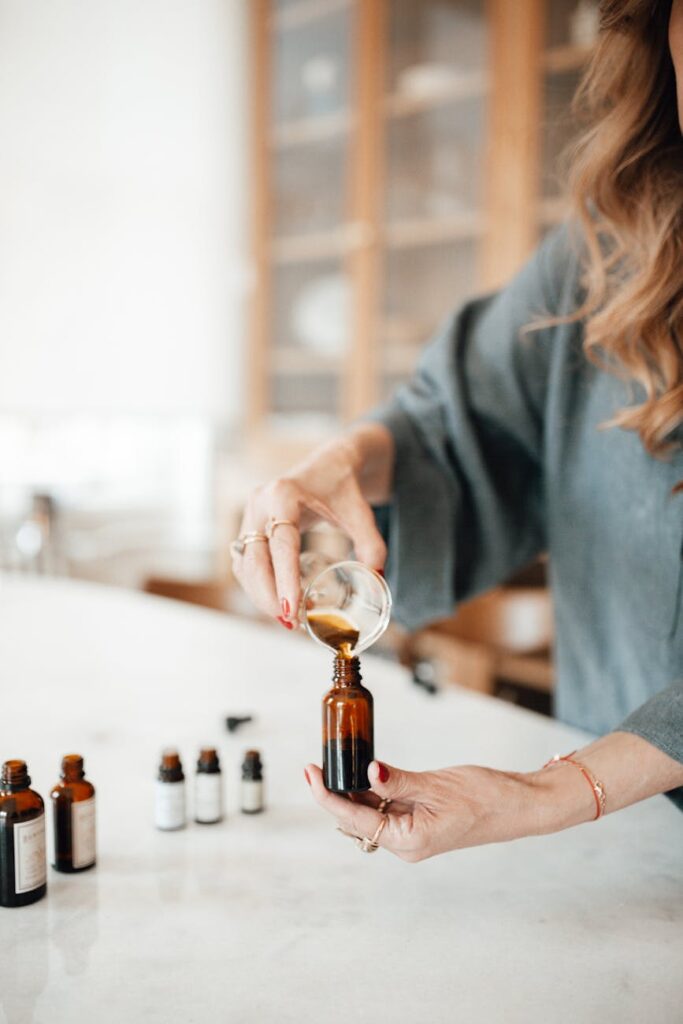
Aromatherapy Uses of Aromatherapy for Seasonal Affective Disorder (SAD) Blends
Introduction
Seasonal Affective Disorder (SAD) is a type of depression that occurs at certain times of the year, commonly in the fall and winter months when natural sunlight is limited. Many individuals experience symptoms such as low energy, mood swings, and feelings of hopelessness. As people seek holistic and natural ways to manage these feelings, aromatherapy has gained attention for its potential benefits. This article explores the uses of essential oil blends in aromatherapy specifically designed to alleviate the symptoms associated with SAD.
What Is Aromatherapy for Seasonal Affective Disorder (SAD) Blends?
Aromatherapy is a complementary therapy that employs essential oils extracted from plants to enhance physical and emotional well-being. Essential oils contain potent aromatic compounds that can influence mood and mental clarity. For individuals experiencing SAD, specific aromatherapy blends may help to uplift the spirit and create a sense of balance. These blends usually combine essential oils known for their uplifting and energizing properties.
Key Benefits and Properties
The essential oils commonly used in SAD blends have various properties that can positively influence mood and emotional states. Here are some key benefits and properties of these oils:
1. Uplifting Properties: Oils like sweet orange, bergamot, and lemon are known for their ability to elevate mood and bring feelings of joy and positivity.
2. Calming Effects: Essential oils such as lavender and chamomile can help to reduce anxiety and promote relaxation, counteracting some of the anxiety associated with SAD.
3. Energy Boosting: Peppermint and rosemary are known for their invigorating properties, helping to combat fatigue and lethargy, which are common symptoms of SAD.
4. Stress Relief: Oils such as frankincense and ylang-ylang may help to reduce stress and promote a sense of tranquility, making them valuable additions to SAD blends.
5. Promoting Sleep: Some individuals with SAD experience disrupted sleep patterns. Essential oils like cedarwood and vetiver can promote restful sleep and enhance overall well-being.
Common Uses
Aromatherapy blends for SAD can be utilized in various ways, depending on individual preferences and the environment. Some common applications include:
- Diffusion: Using a diffuser to disperse essential oils into the air allows for a continuous and subtle aroma that can uplift mood throughout the day.
- Inhalation: Direct inhalation of essential oils from a bottle or a cotton ball can provide immediate effects, making it a quick way to combat feelings of sadness or lethargy.
- Topical Application: When diluted with a carrier oil, essential oils can be applied to the skin for localized benefits. This method can be particularly soothing during moments of heightened anxiety or stress.
- Bathing: Adding essential oils to a warm bath can create a calming atmosphere, allowing for relaxation and an enhanced sense of well-being.
- Massage: Incorporating essential oils into massage therapy can promote relaxation and further alleviate symptoms associated with SAD.
- 4 drops Sweet Orange
- 3 drops Bergamot
- 2 drops Lemon
- 1 drop Peppermint
- 3 drops Lavender
- 2 drops Bergamot
- 2 drops Cedarwood
- 3 drops Peppermint
- 2 drops Rosemary
- 2 drops Sweet Orange
- Dilution: Always dilute essential oils with a carrier oil before applying them to the skin to avoid irritation.
- Patch Test: Conduct a patch test on a small area of skin to check for any allergic reactions or sensitivity.
- Pregnancy and Health Conditions: Pregnant individuals, nursing mothers, and those with specific health conditions should consult a qualified practitioner before using essential oils.
- Children and Pets: Certain essential oils may not be suitable for children or pets. Research the safety of specific oils before using them in these contexts.
- Keep Away from Light: Store essential oils in dark glass bottles to protect them from light exposure.
- Cool Environment: Store in a cool, dry place to prevent degradation due to heat and humidity.
- Shelf Life: The shelf life of essential oils varies by type; most citrus oils have a shorter shelf life (1-2 years), while others like sandalwood and patchouli can last for several years when stored properly.
Aromatherapy Applications
When creating a blend specifically for SAD, it is essential to consider the properties of each essential oil. Below are some popular essential oils and potential blend recipes:
Popular Essential Oils for SAD
1. Sweet Orange (Citrus sinensis): Cheerful and uplifting, this oil can help to promote feelings of happiness.
2. Bergamot (Citrus bergamia): Known for its mood-enhancing qualities, bergamot can alleviate feelings of anxiety and sadness.
3. Lemon (Citrus limon): Bright and refreshing, lemon oil can invigorate the mind and body.
4. Lavender (Lavandula angustifolia): Calming and soothing, lavender promotes relaxation and improves sleep quality.
5. Peppermint (Mentha piperita): Energizing and refreshing, peppermint can help reduce fatigue.
6. Rosemary (Rosmarinus officinalis): Known for its stimulating properties, rosemary can enhance mental clarity and focus.
Sample Blends
1. Uplifting Blend:
Application: Diffuse in a well-ventilated area or inhale directly from the bottle.
2. Calming Blend:
Application: Mix with a carrier oil for topical application or add to a warm bath.
3. Energizing Blend:
Application: Use in a diffuser to create an invigorating environment.
Safety Considerations
While aromatherapy is generally considered safe for most people, some precautions should be taken:
Storage and Shelf Life
Proper storage of essential oils is crucial to maintain their potency and effectiveness:
Frequently Asked Questions
1. Can aromatherapy completely cure Seasonal Affective Disorder?
While aromatherapy can be a beneficial complementary approach, it should not be viewed as a standalone treatment for SAD. Individuals experiencing SAD should consult healthcare professionals for comprehensive treatment options.
2. How often can I use aromatherapy blends for SAD?
The frequency of use can vary based on personal preference. Many individuals find benefit in using aromatherapy regularly, such as daily or several times a week, but it is essential to listen to your body and adjust accordingly.
3. Are there any potential side effects of using essential oils?
Some individuals may experience allergic reactions or skin irritations. It is advisable to conduct a patch test and consult with a healthcare provider if you have pre-existing medical conditions.
4. Can I combine multiple essential oils in a blend?
Yes, combining different essential oils can create synergistic effects and enhance the overall benefits. However, it is important to ensure that the oils used complement each other and are safe for blending.
Conclusion
Aromatherapy blends can offer a natural and holistic approach to managing the symptoms associated with Seasonal Affective Disorder. By incorporating uplifting and calming essential oils, individuals may find enhanced emotional balance and well-being during the challenging months of winter. While aromatherapy can be a valuable tool, it is important to consider it as part of a broader strategy for mental health that includes professional guidance and support.