
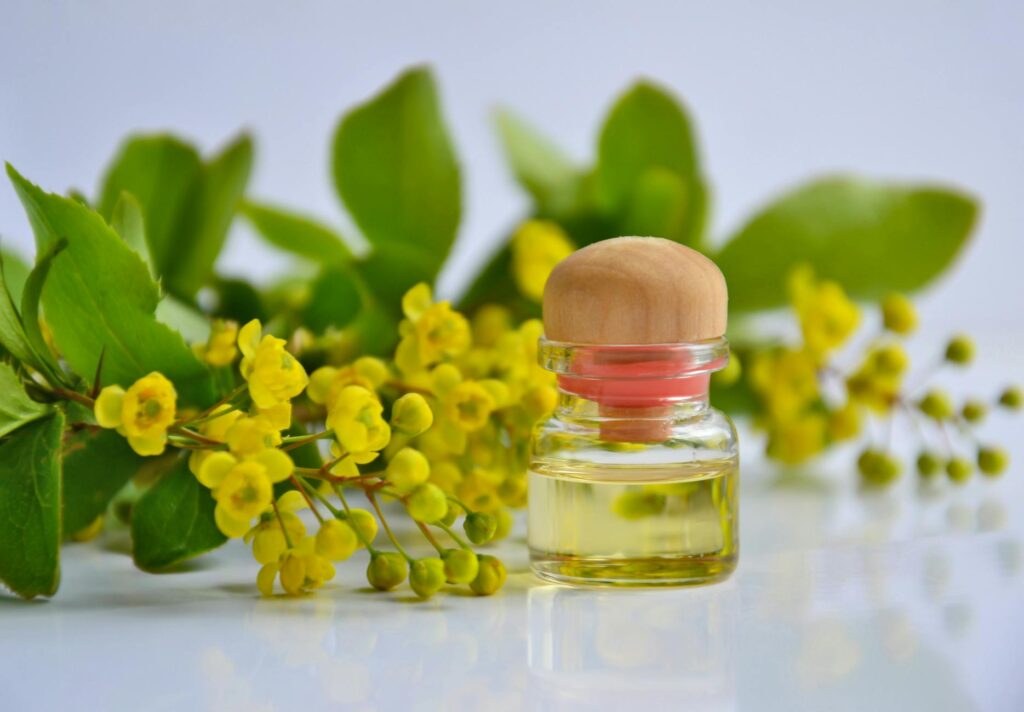
Aromatherapy Uses of Aromatherapy for Seasonal Immune Support Blends
Introduction
As the seasons change, our bodies often face additional challenges in maintaining optimal health. During these transitional periods, many individuals seek natural ways to support their immune systems. Aromatherapy, the practice of using essential oils for therapeutic purposes, offers a range of blends specifically designed to bolster immune function during seasonal shifts. This article explores the concept of aromatherapy for seasonal immune support, highlighting its benefits, applications, and safety considerations.
What Is Aromatherapy for Seasonal Immune Support Blends?
Aromatherapy involves the use of concentrated plant extracts known as essential oils. These oils are derived from various parts of plants, including leaves, flowers, bark, and roots, and are known for their aromatic properties. Seasonal immune support blends are specific combinations of essential oils formulated to promote overall wellness and bolster the immune system during times when it may be more vulnerable, such as during seasonal changes or outbreaks of illness.
These blends often include oils that are known for their antimicrobial, anti-inflammatory, and immune-stimulating properties. The synergistic effects of combining multiple essential oils can enhance their overall efficacy, making them a popular choice for those looking to support their health naturally.
Key Benefits and Properties
The essential oils commonly used in seasonal immune support blends possess various properties that can be beneficial for overall health:
- Antimicrobial Action: Many essential oils, such as tea tree, eucalyptus, and lavender, exhibit antimicrobial properties that can help protect against pathogens.
- Anti-inflammatory Effects: Oils like frankincense and chamomile can reduce inflammation, which is often a response to infection.
- Immune System Stimulation: Certain oils, including oregano and thyme, are believed to stimulate immune function and enhance the body’s ability to fight off infections.
- Respiratory Support: Oils such as peppermint and eucalyptus can help open airways and promote easier breathing, which is particularly beneficial during cold and flu season.
- Stress Reduction: Many essential oils, like bergamot and ylang-ylang, have calming effects that can help reduce stress, which is important for maintaining a healthy immune response.
- Diffusion: Adding essential oils to a diffuser can disperse their beneficial properties into the air, creating a pleasant and therapeutic environment.
- Topical Application: When diluted with a carrier oil, essential oils can be applied to specific areas of the body, such as pulse points or the chest.
- Inhalation: Direct inhalation of essential oils from the bottle or a tissue can provide immediate benefits, particularly for respiratory support.
- Bathing: Adding essential oils to a warm bath can create a soothing experience while also allowing for skin absorption.
- Household Cleaning: Certain essential oils possess antimicrobial properties that can be used in homemade cleaning products, helping to maintain a healthy living environment.
- Respiratory Blend:
- 5 drops eucalyptus
- 3 drops peppermint
- 2 drops tea tree
- 2 drops lemon
- Immune Boost Blend:
- 4 drops frankincense
- 4 drops thyme
- 2 drops oregano
- 2 drops rosemary
- Immune Support Roll-On:
- 10 drops tea tree
- 10 drops lavender
- 5 drops lemon
- Fill a 10ml roller bottle with a carrier oil
- Soothing Bath Blend:
- 5 drops chamomile
- 5 drops lavender
- 3 drops bergamot
- Mix with a tablespoon of carrier oil or Epsom salt and add to warm bath water.
- Inhaler Stick:
- 10 drops of peppermint
- 10 drops of eucalyptus
- 5 drops of lemon
- Add to an inhaler stick and use as needed.
- Dilution: Always dilute essential oils with a carrier oil before applying them to the skin to avoid irritation.
- Allergies and Sensitivities: Conduct a patch test before using a new essential oil to check for allergic reactions or sensitivities.
- Pregnancy and Nursing: Consult a healthcare provider before using essential oils, especially during pregnancy or while nursing.
- Children and Pets: Some essential oils are not safe for use around children or pets. Research specific oils before using them in these contexts.
- Quality of Oils: Use high-quality, pure essential oils from reputable sources to ensure safety and efficacy.
- Storage: Store essential oils in dark glass bottles, away from direct sunlight and heat. This helps preserve their aromatic properties.
- Shelf Life: Essential oils generally have a shelf life ranging from 1 to 5 years, depending on the oil. Citrus oils, for example, tend to have a shorter shelf life compared to oils like patchouli or sandalwood.
- Signs of Spoilage: If an essential oil has changed in color, consistency, or aroma, it may have gone bad and should be discarded.
Common Uses
Aromatherapy blends for seasonal immune support can be utilized in various ways, allowing individuals to incorporate them into their daily routines seamlessly. Some common uses include:
Aromatherapy Applications
1. Diffuser Blends
A common method for using essential oils for seasonal immune support is through a diffuser. Here are a couple of effective blends:
2. Topical Applications
For topical use, essential oils must be diluted with a carrier oil such as coconut or jojoba oil. A recommended blend for immune support is:
3. Bath Soak
A relaxing bath can also be enhanced with essential oils. Consider this blend:
4. Inhalation Techniques
For quick relief, inhalation is a simple yet effective method:
Safety Considerations
While essential oils can offer numerous benefits, it is crucial to use them safely. Here are some important safety considerations:
Storage and Shelf Life
Proper storage of essential oils is vital for maintaining their potency and effectiveness. Here are some guidelines:
Frequently Asked Questions
1. Can aromatherapy replace medical treatment?
Aromatherapy should not be viewed as a replacement for medical treatment. It can be a complementary approach to support overall wellness.
2. How often can I use essential oils for immune support?
Essential oils can be used daily, but it is advisable to vary the blends and methods to avoid potential sensitization.
3. Are there any essential oils I should avoid during certain seasons?
Some individuals may be sensitive to specific oils, particularly those with citrus properties, which can increase photosensitivity. Always check for individual sensitivities.
4. How do I choose the right essential oils for my needs?
Selecting the right essential oils depends on personal preferences and specific wellness goals. Researching individual oils and their properties can help in making informed choices.
Conclusion
Aromatherapy offers a natural and holistic approach to support seasonal immune health. By utilizing the unique properties of various essential oils, individuals can create blends tailored to their needs. While essential oils can enhance wellness, it is essential to approach their use with mindfulness and care. With proper knowledge and application, aromatherapy can be a powerful tool in promoting a healthy immune system throughout the changing seasons.