
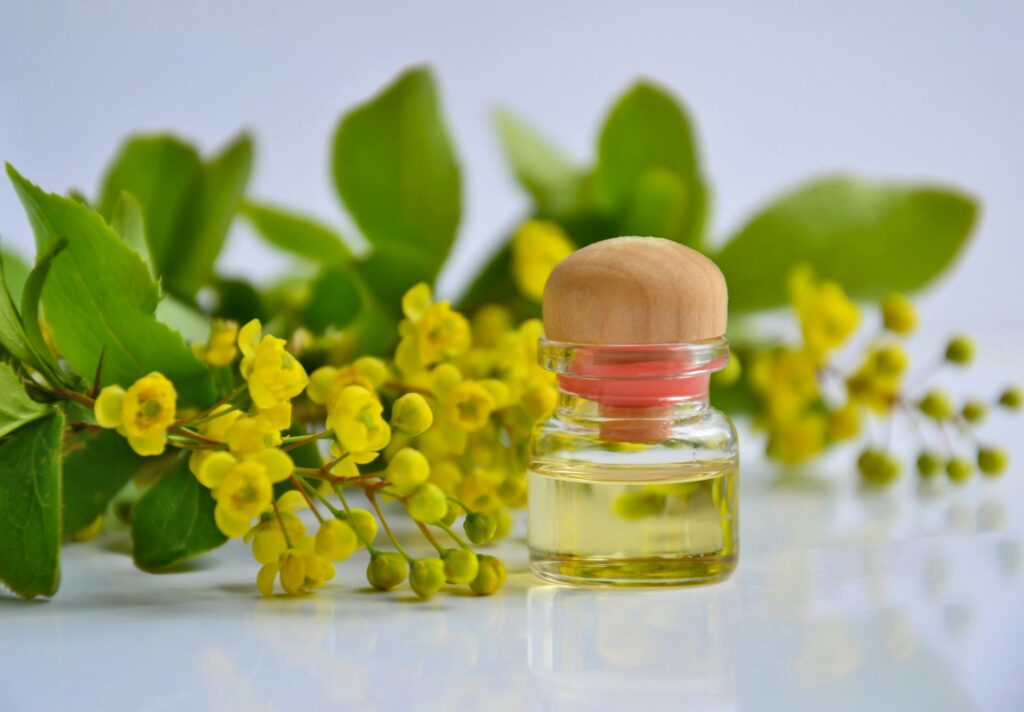
Aromatherapy Uses of Aromatherapy for Seasonal Mood Enhancement Blends
Introduction
The changing of seasons can significantly affect our mood and emotional well-being. As the brightness of summer fades into the cooler shades of autumn and the crispness of winter, many people may find their spirits waning. Aromatherapy, an ancient practice that utilizes essential oils for holistic health, offers a natural way to uplift mood and enhance emotional balance during these fluctuating times. This article delves into the various aspects of aromatherapy, particularly focusing on seasonal mood enhancement blends.
What Is Aromatherapy for Seasonal Mood Enhancement Blends?
Aromatherapy is a therapeutic practice that employs essential oils extracted from plants to promote physical, emotional, and mental well-being. Seasonal mood enhancement blends specifically target the emotional challenges often faced during seasonal transitions. These blends utilize a combination of essential oils known for their uplifting, calming, or balancing properties, creating a harmonious atmosphere that can help alleviate feelings of sadness, anxiety, or lethargy.
Key Benefits and Properties
Aromatherapy blends for mood enhancement offer several key benefits:
1. Emotional Balance: Essential oils can influence the limbic system, the part of the brain that processes emotions. This can help stabilize mood swings and enhance emotional resilience.
2. Stress Relief: Many essential oils possess calming properties that reduce stress and anxiety, making it easier to cope with seasonal changes.
3. Energy Boost: Certain oils are invigorating and can enhance mental clarity and focus, combating the sluggishness that often accompanies colder months.
4. Improved Sleep Quality: Seasonal changes can disrupt sleep patterns. Aromatherapy can promote relaxation and improve sleep quality, contributing to better overall mood.
5. Enhanced Well-Being: The sensory experience of pleasant aromas can elevate mood and create a sense of well-being, making the transition between seasons more enjoyable.
Common Uses
Aromatherapy blends for seasonal mood enhancement can be used in various ways:
- Diffusion: Essential oils can be diffused in the air to create an uplifting environment. This method allows for the aroma to permeate a space, making it beneficial for common areas in homes or workplaces.
- Inhalation: Direct inhalation of essential oils from the bottle or a personal inhaler can provide immediate mood enhancement.
- Topical Application: Blending essential oils with carrier oils can be used for massage or applied to pulse points, providing both aromatic and skin benefits.
- Bathing: Adding essential oils to bathwater can create a soothing experience that promotes relaxation and mood enhancement.
- Personal Care Products: Incorporating essential oils into lotions, shampoos, and other personal care products can provide ongoing benefits throughout the day.
- Properties: Calming, soothing, and relaxing.
- Uses: Ideal for reducing anxiety and promoting sleep, making it effective during transitional seasons.
- Properties: Uplifting, refreshing, and balancing.
- Uses: Known for its mood-enhancing properties, bergamot can help relieve feelings of sadness and promote a sense of joy.
- Properties: Grounding and centering.
- Uses: Often used for meditation, it can help create an atmosphere of peace and tranquility during stressful seasonal changes.
- Properties: Brightening and invigorating.
- Uses: These oils can uplift mood and energy levels, making them particularly effective during the darker months.
- Properties: Energizing and refreshing.
- Uses: Helps combat fatigue and can enhance mental clarity, useful during the sluggish days of winter.
- Properties: Balancing and mood-boosting.
- Uses: Known for its floral scent, it can help alleviate feelings of sadness and enhance emotional well-being.
- Properties: Hormonal balance and emotional stability.
- Uses: Effective for emotional balance and promoting feelings of happiness.
- Calming Blend: Lavender, Bergamot, and Frankincense (3:2:1)
- Invigorating Blend: Sweet Orange, Peppermint, and Ylang Ylang (3:2:1)
- Balance Blend: Lavender, Geranium, and Bergamot (2:2:1)
- Store in dark, glass bottles: Essential oils should be kept in amber or cobalt blue glass bottles to protect them from light.
- Keep away from heat: Store in a cool, dark place, as heat can deteriorate the quality of essential oils.
- Shelf Life: Most essential oils have a varying shelf life, ranging from 1 to 5 years. Citrus oils tend to have a shorter shelf life, while oils like sandalwood can last longer.
Aromatherapy Applications
Several essential oils are commonly used in seasonal mood enhancement blends. Below are some notable oils and their properties:
1. Lavender (Lavandula angustifolia)
2. Bergamot (Citrus bergamia)
3. Frankincense (Boswellia carterii)
4. Citrus Oils (e.g., Sweet Orange, Lemon)
5. Peppermint (Mentha piperita)
6. Ylang Ylang (Cananga odorata)
7. Geranium (Pelargonium graveolens)
Blending Suggestions
When creating seasonal mood enhancement blends, consider the following ratios:
Adjust the ratios according to personal preference and desired effects.
Safety Considerations
While aromatherapy is generally safe, certain precautions should be observed:
1. Dilution: Always dilute essential oils with a carrier oil when applying them to the skin to prevent irritation. A common dilution ratio is 2-3 drops of essential oil per teaspoon of carrier oil.
2. Allergies: Conduct a patch test before using a new essential oil to check for allergic reactions.
3. Pregnancy: Pregnant individuals should consult a healthcare professional before using essential oils, as some can be contraindicated.
4. Children and Pets: Use caution when using essential oils around children and pets. Some oils can be toxic to animals, and children may require further dilution.
5. Ingestion: It is generally not recommended to ingest essential oils unless under the guidance of a qualified professional.
Storage and Shelf Life
Proper storage is essential for maintaining the integrity of essential oils:
Frequently Asked Questions
1. Can I create my own mood enhancement blends?
Yes, creating your own blends is a personal and rewarding experience. Start with a few essential oils that resonate with you and experiment to find combinations that enhance your mood.
2. How often can I use aromatherapy for mood enhancement?
You can use aromatherapy daily. However, it’s essential to pay attention to how your body and mind respond to the oils. If you notice any adverse effects, consider reducing usage.
3. Are there any specific oils to avoid during certain seasons?
While individual preferences vary, some people may find that heavy, warm oils (like clove or cinnamon) may feel too intense during hot summer months. Conversely, lighter, citrus oils may be more enjoyable in the winter.
4. Can aromatherapy replace traditional therapy or medication?
Aromatherapy can complement traditional therapy but should not replace it. If you have existing mental health conditions, it’s important to consult with a healthcare professional.
5. What is the best method for using essential oils for mood enhancement?
The best method varies among individuals. Diffusion is popular for creating a pleasant environment, while topical application can provide immediate benefits. Experiment to find what works best for you.
Conclusion
Aromatherapy offers a natural and holistic approach to enhance mood during seasonal transitions. By selecting the right essential oils and employing effective methods of application, individuals can create their own seasonal mood enhancement blends. Understanding the benefits, common uses, and safety considerations can help ensure a positive experience. As the seasons change, embracing the potential of aromatherapy may provide the emotional support needed to navigate life’s fluctuations with grace and ease.